Round towers
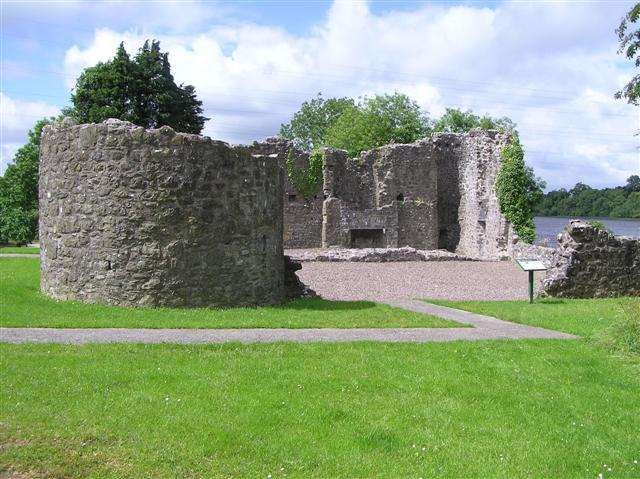
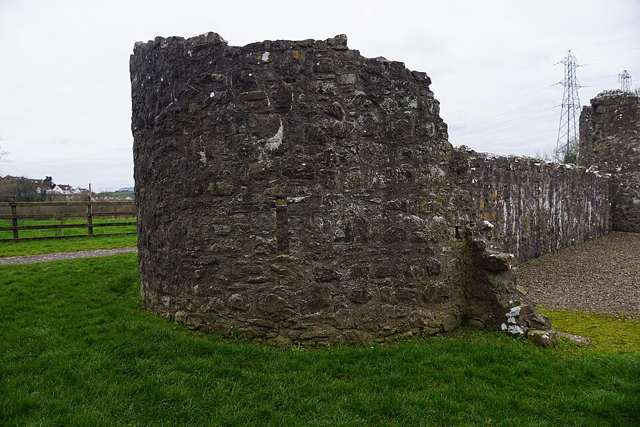
Examine the surviving round towers from safe ground. Their defensive openings and relationship with the house footprint help explain how residence and protection were combined.

heritage · Fermanagh
Portora Castle is a ruined plantation-era residence and defensive enclosure near Enniskillen, positioned where the river joins Lough Erne. Surviving round towers and wall fragments make the plan worth examining even though much of the house has disappeared. The waterfront relationship gives the site a clear purpose beyond its present appearance as a scattered ruin.
From research
Choose it for a short outdoor heritage stop if you enjoy tracing a building’s plan from surviving fragments. Look at the towers and enclosure together rather than expecting an intact house. Keep the river edge and uneven ground in mind, and plan a permitted ground-level visit without climbing the masonry.
Know before you book: Free public monument access, subject to temporary works. Ruined walls and the nearby water require care; upper-level access is not part of the visit.
Place highlights
Examine the surviving round towers from safe ground. Their defensive openings and relationship with the house footprint help explain how residence and protection were combined.
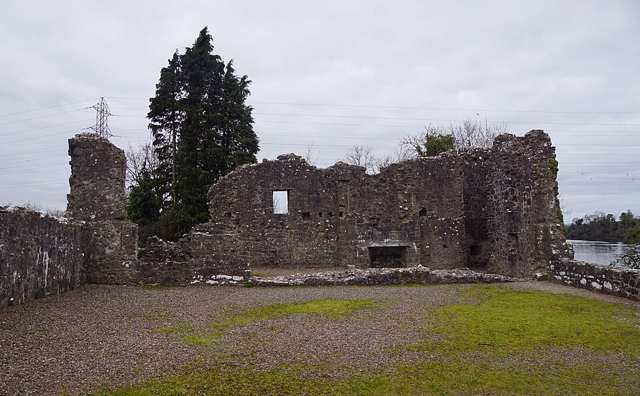
Read the enclosure alongside the fragments of domestic building. The wall was part of the working plan, not merely a decorative boundary around an otherwise independent house.
Look at the site’s relationship with the river and Lough Erne. Its former crossing-point setting supplies an important reason for the castle’s location and military significance.
The story behind the visit
Sir William Cole built Portora in 1613 as a house enclosed by a defensive bawn with circular towers. The Department for Communities connects its position with a former crossing where the river joins Lough Erne. Understanding that relationship helps visitors read the remaining fragments as a planned residence and protected site rather than unrelated pieces of masonry. Source ↗
The castle survived seventeenth-century conflict but was badly damaged during the nineteenth century, including an explosives incident and later storm damage. The tall surviving towers, gun loops and traces of fireplaces preserve evidence of both defensive and domestic use. A visit works best when the visible features are connected into a plan from authorised ground. The ruin’s dramatic history is no reason to enter unstable spaces or climb walls for a view. Looking for domestic details as well as defences helps restore the idea of a residence behind the present impression of isolated towers and walls. Source ↗
Visitor information
Follow the official Portora approach near Enniskillen, BT74 7HA. Use the public visitor route and avoid obstructing nearby property or water-side access. Official visitor information ↗
Confirm current access and visitor arrangements with the operator.
No. The present visit is to surviving towers and fragments of the house and bawn. Source ↗
The heritage authority lists free public access, with occasional restrictions for works. Source ↗
Nearby options
Explore other places in the area, then use live directions to plan your journey.
heritage
Enniskillen is a town-and-waterfront visit with the castle museums as a useful heritage anchor. Wider lakeland outings and boat trips are separate plans.
Open place page →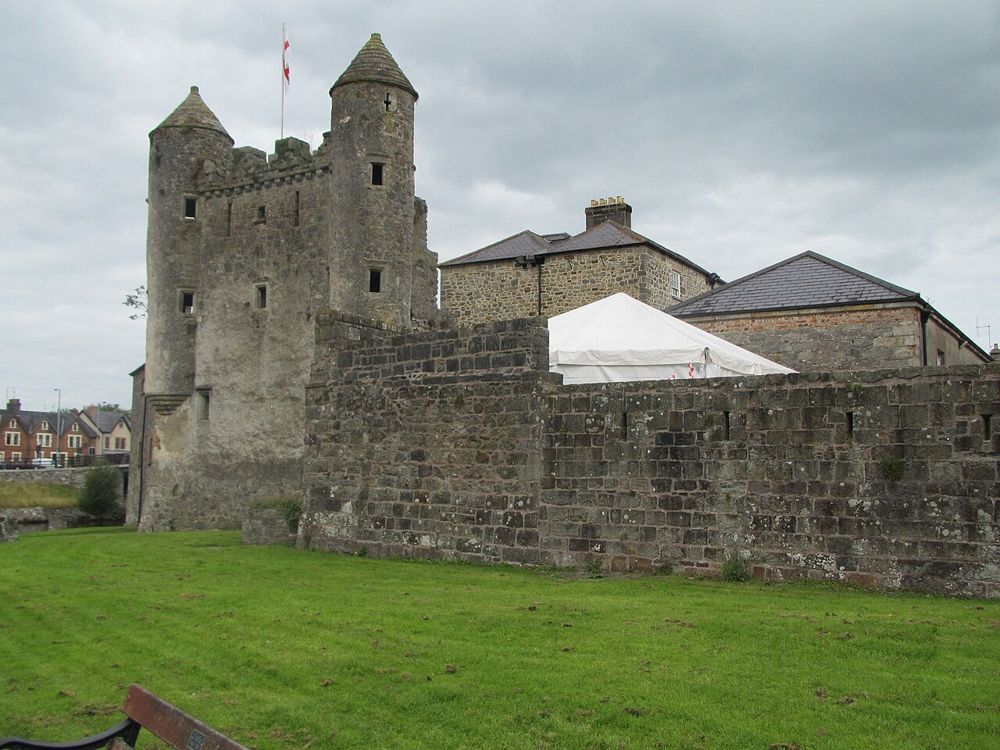
attraction
Enniskillen Castle gives the island town a substantial historical anchor. The waterfront buildings contain more than a picturesque exterior: county history and military collections can occupy a much fuller…
Open place page →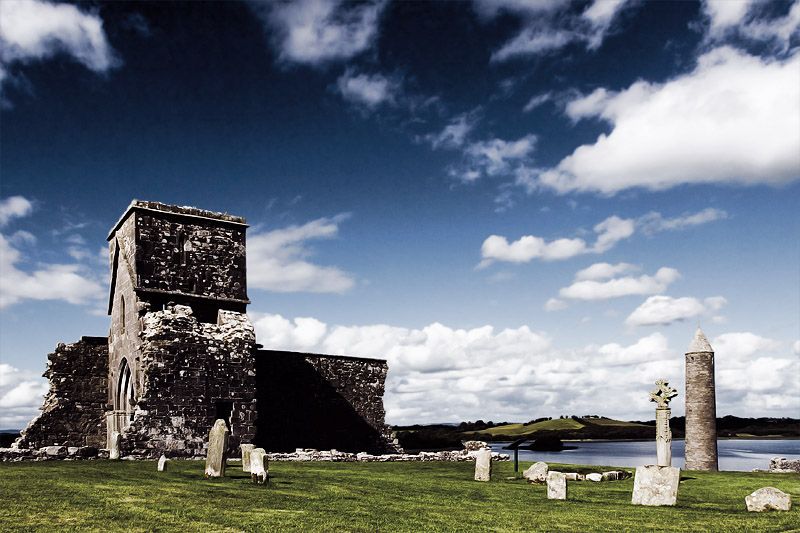
heritage
Devenish’s round tower becomes more memorable when you arrive across the lough. The water journey separates the monastic ruins from an ordinary roadside stop and gives the island’s setting a clear role in the…
Open place page →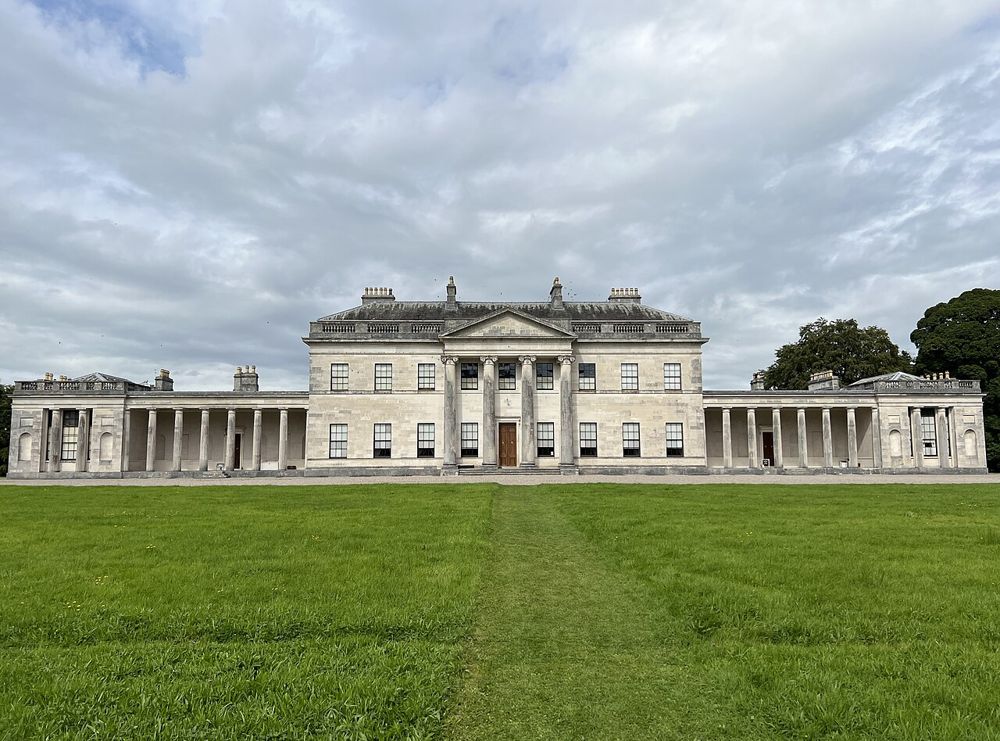
heritage
Castle Coole is a country house rather than a defensive castle, and its formal architecture sets expectations for the rooms inside. The parkland adds space afterwards without needing to be the principal reason…
Open place page →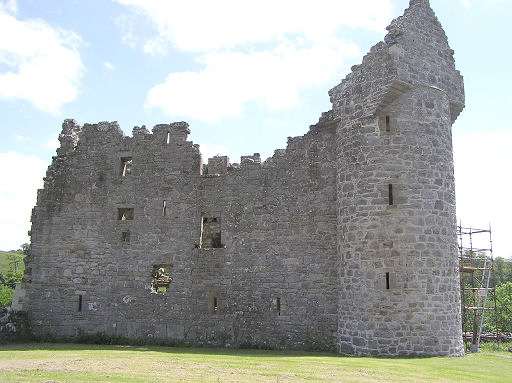
heritage
Monea Castle is a tall ruined plantation-era house on a working farm in County Fermanagh. Its Scottish-influenced architecture, entrance towers and surrounding bawn make the relationship between residence and…
Open place page →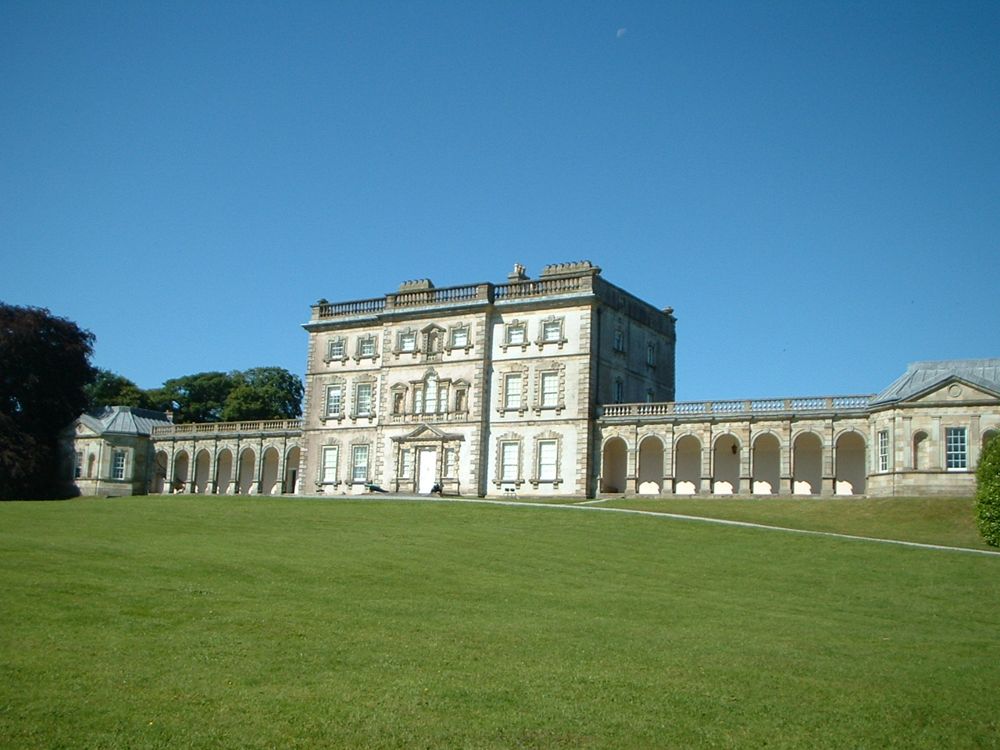
heritage
Florence Court offers a choice between house detail and time in an expansive estate. A guided interior can anchor the visit, while the garden and woodland make a second, weather-dependent part of the day.
Open place page →Location & access
Free public monument access, subject to temporary works. Ruined walls and the nearby water require care; upper-level access is not part of the visit.
54.35591, -7.65914 · Reference point; confirm the correct entrance and access. Map © OpenStreetMap contributors.
Orientation only: a verified public entrance is not established by this pin. Use the operator arrival information before travel.