From research
Is this worth your time?
Choose it for a focused understanding of modern Derry history and the campaign for justice around Bloody Sunday. Allow enough time to read rather than treating it as a quick stop between murals. The museum presents the Free Derry community’s perspective, which should be recognised as part of its interpretive approach.
Know before you book: The material concerns violence, death and injustice and may be distressing. Last entry is one hour before closing, and the winter and Christmas schedule differs from summer.
The story behind the visit
The story behind the place
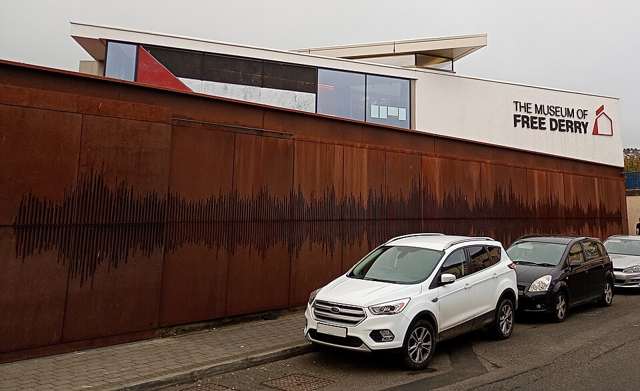
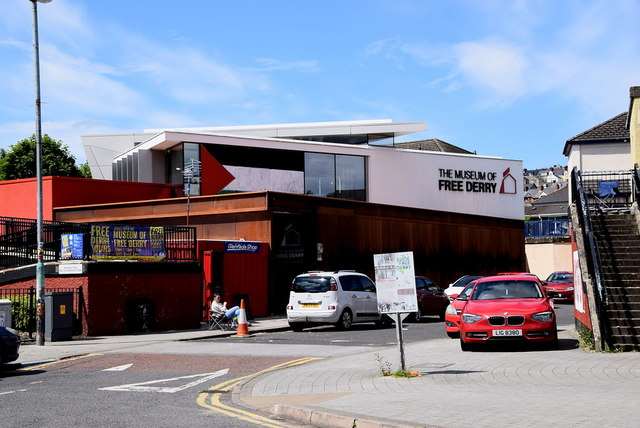
The Bloody Sunday Trust founded the museum in 2007 to preserve the history of Free Derry, particularly the period from 1968 to 1972. Its account covers the civil-rights movement, the Battle of the Bogside, internment, Bloody Sunday and Operation Motorman. The operator explicitly presents this narrative from the perspective of the community involved in and affected by those events. Source ↗
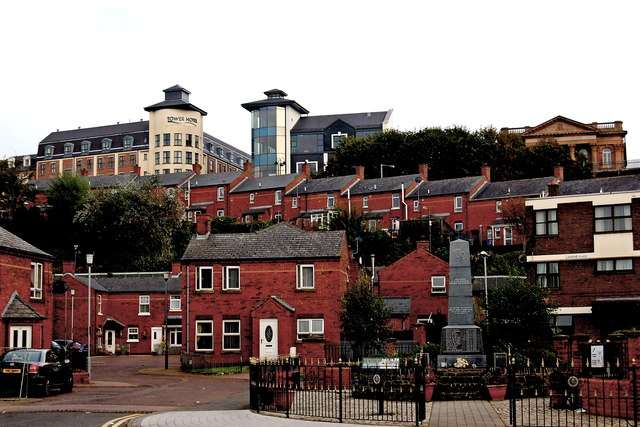
The contemporary museum occupies Glenfada Park, where the history it interprets occurred. Its archive and displays connect local testimony with wider questions of civil and human rights. That location makes the museum more than a neutral container for a national chronology: it is also an act of community remembrance. Approach the surrounding streets with the same consideration you bring to the exhibits. Recognising that perspective does not diminish the visit; it clarifies what the museum is doing. Read the evidence carefully, notice whose voices are being heard, and allow space for the emotional weight of the account. Source ↗