Skip to content
TheLazyNick

heritage · Kerry

Lislaughtin Franciscan Friary

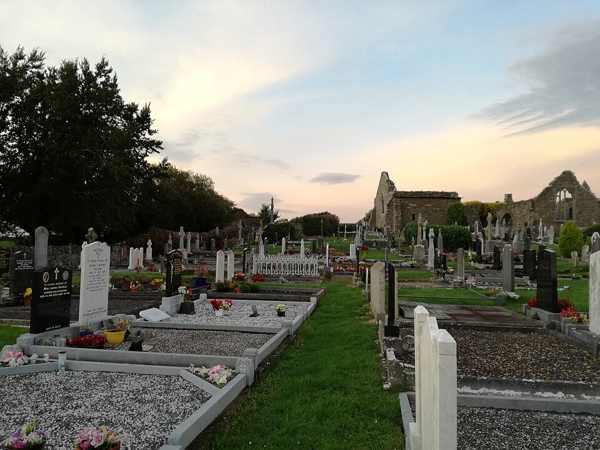
Lislaughtin is an unguided friary ruin and burial place, for viewing the church and adjoining ranges from permitted ground. Near Ballylongford, the surviving church and domestic ranges preserve finely worked windows and memorial details. Follow permitted ground and respect graves, using the building’s plan to distinguish worship, community life and later remembrance rather than treating every opening as an entrance.

Add to planSaved trips & places

Saved on this browser. No account needed.

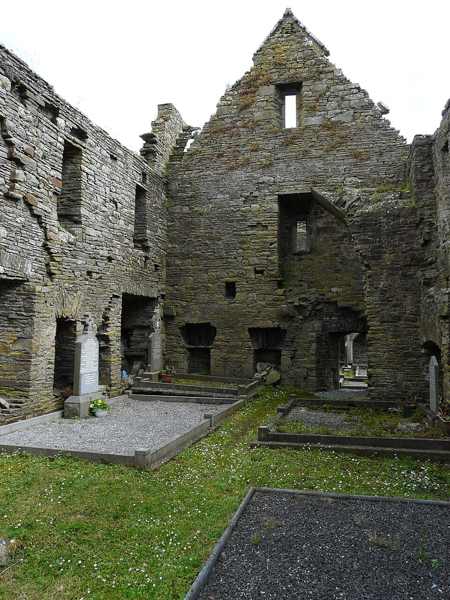
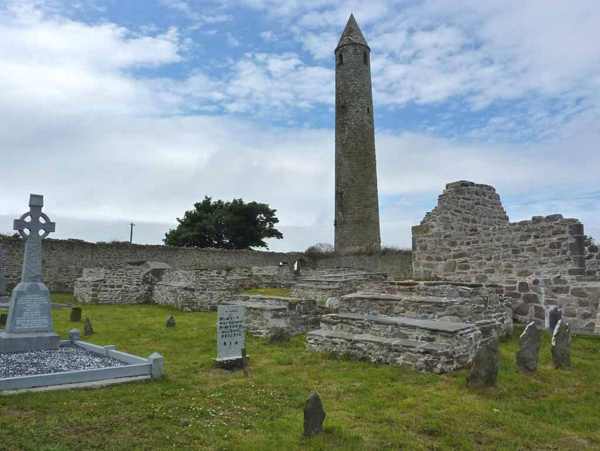
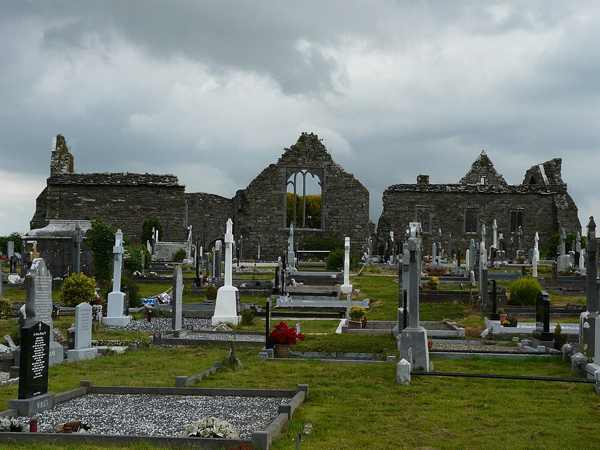
Lislaughtin’s church gable and surviving ranges.
Lislaughtin’s church gable and surviving ranges. Photo: Loz Pycock from London, UK ↗ · CC BY-SA 2.0

From research

Is this worth your time?

Choose Lislaughtin if the fabric of a friary interests you as much as its historical names. The long church, window tracery and adjoining ranges reward a deliberate circuit where allowed. A short stop can reveal several functions within one complex, without requiring a reconstructed cloister or access to every space described in the monument history.

Know before you book: The famous processional cross associated with the friary is held by the National Museum, not waiting inside the ruin. Roofless walls and uneven ground require care.

Place highlights

What you will actually see

01

The long church

Look at the relationship between nave and choir, recognising the different roles of congregation and religious community. The tower that once rose over the church is no longer complete. Read the surviving plan from permitted ground rather than trying to replace missing fabric with an invented interior route.

02

Windows and carved details

The pointed windows, surviving tracery and sedilia show the care invested in the church. Compare those features with tomb niches and other memorial elements. Do not climb, rub or clear vegetation to make a carving more legible; some details are best appreciated from a distance.

03

The adjoining ranges

Domestic buildings beside the church belonged to the organisation of community life. Their position helps explain a friary as more than a worship space. Upper-storey descriptions concern historic use, not public entry; keep to the actual permitted visitor area and respect the burial setting.

The story behind the visit

The story behind the place

The friary developed under the patronage of the O’Connor Kerry family in the fifteenth century. The Office of Public Works describes John O’Connor Kerry’s role and the later papal licence for the Franciscan community. Patronage also connected the site with family burial and with objects made for religious use. A silver processional cross commissioned in the late fifteenth century survives in the National Museum’s care, illustrating how a monument’s history can extend beyond the objects still physically present among its ruins. Source ↗

Lislaughtin suffered during later conflict, including attacks connected with the Desmond rebellions and the seventeenth-century wars. Its present remains should therefore be understood as the outcome of building, damage and loss rather than a complete original arrangement. The long church and adjoining ranges still allow different activities to be considered together: worship, dining, accommodation and commemoration. Looking at those relationships provides a stronger sense of the community than a list of dramatic events alone. Keep the museum-held cross and the separate nearby castle as related historical context, not features included within an ordinary visit to the friary. Source ↗

Visitor information

Tickets, timing and access

Opening
An unguided outdoor visit; follow any current site notices and barriers rather than assuming access to every part of the site.Confirm with the operator ↗
Admission
Plan an independent outdoor stop and follow the current access notices.Confirm with the operator ↗
Booking
This is an independent outdoor stop; arrange any specialist group activity separately.Confirm with the operator ↗
Access
Respect the burial ground and permitted paths. View the tower and upper fabric from ground level.Confirm with the operator ↗
Duration
Allow about 30–45 minutes for a measured exterior visit.Confirm with the operator ↗
Seasonal
Daylight, weather and ground conditions affect the visit. A listed monument is not a guarantee of unrestricted access.Confirm with the operator ↗

Getting to the entrance

Use the OPW Lislaughtin monument reference near Ballylongford, rather than a general village point. Follow the local public entrance and keep adjoining private land separate. Official visitor information ↗

Your questions, answered

Confirm current access and visitor arrangements with the operator.

Is the Lislaughtin processional cross displayed here?

No. The official account places the surviving cross in the National Museum of Ireland–Archaeology. Source ↗

Is Carrigafoyle Castle part of this admission?

No. It is a separate attraction with its own location and visitor arrangements. Source ↗

Nearby options

Nearby places to explore

Explore other places in the area, then use live directions to plan your journey.

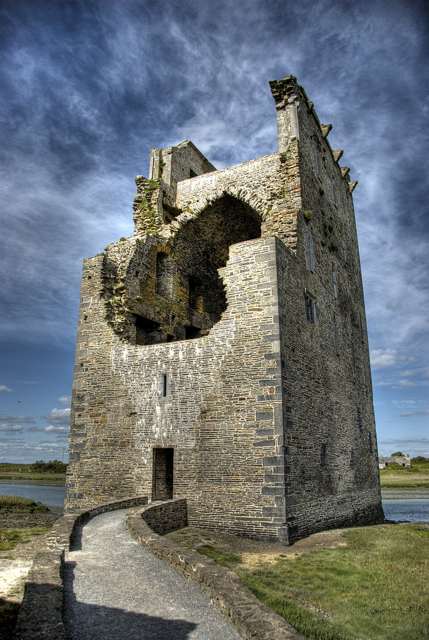
Carrigafoyle Castle tower-house beside the Shannon Estuary
Carrigafoyle Castle tower-house beside the Shannon Estuary. Source photograph: 2009-06-14. Appearance, displays and access may have changed. Photo: Arcaist ↗ · CC BY-SA 3.0

heritage

Carrigafoyle Castle

Carrigafoyle Castle rises beside the Shannon Estuary near Ballylongford, an imposing late-medieval tower-house in a setting that explains its strategic purpose. Treat this as an exterior-focused heritage stop…

Open place page →
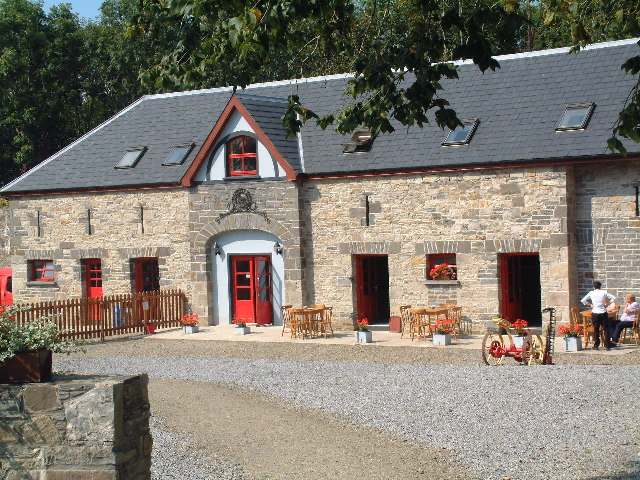
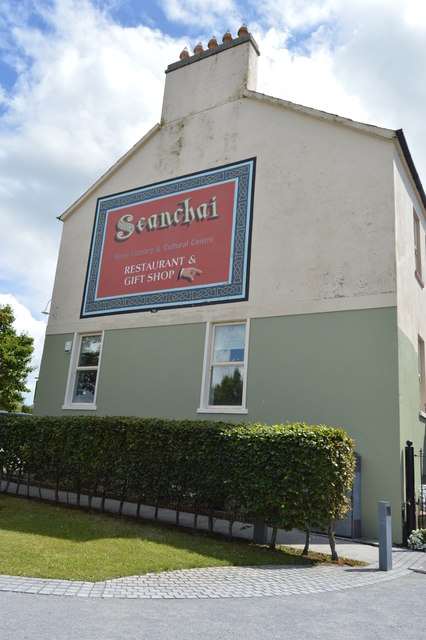
The Seanchaí building in Listowel, home of Kerry Writers’ Museum
The Seanchaí building in Listowel, home of Kerry Writers’ Museum. Resized for display. Photo: N Chadwick ↗ · CC BY-SA 2.0

heritage

Kerry Writers' Museum

Kerry Writers’ Museum explores the literary and storytelling traditions of North Kerry from a Georgian townhouse beside Listowel Castle. The themed rooms focus on writers and the places, voices and characters…

Open place page →
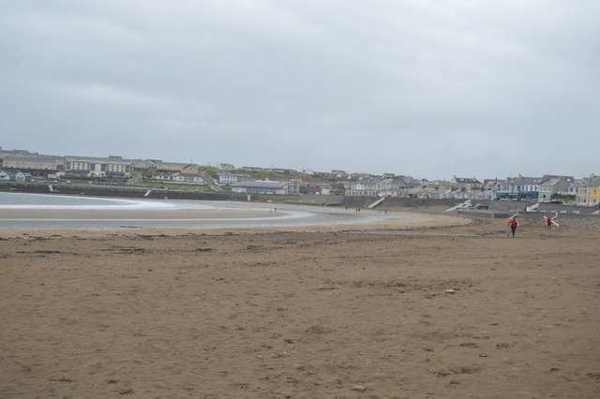
Kilkee Beach with the town beyond
Kilkee Beach with the town beyond. Resized for display. Photo: N Chadwick ↗ · CC BY-SA 2.0

coast

Kilkee Beach

Kilkee Beach curves around a crescent-shaped bay beside the town, combining an accessible coastal setting with rocky edges that frame the sand. The sweep of the beach is the main attraction for a simple visit.…

Open place page →
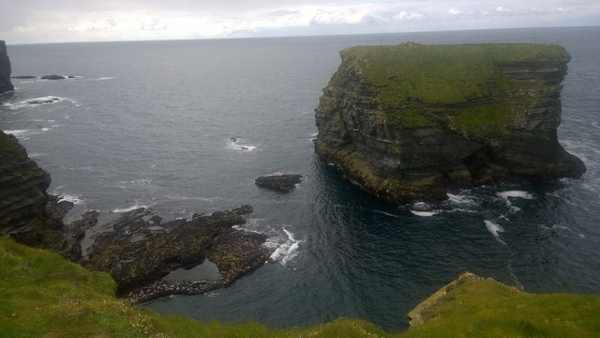
An inlet cut into the Atlantic cliffs near Kilkee.
An inlet cut into the Atlantic cliffs near Kilkee. Photo: James Emmans ↗ · CC BY-SA 2.0

coast

Kilkee Cliffs

Kilkee Cliffs form a coastal walking landscape beyond the town’s beach, with exposed Atlantic edges, bays and views towards higher ground. They are a separate outing from a stroll on Kilkee’s sand. Plan a…

Open place page →

External visitor reviews

Find the matching listing and reviews on Google Maps ↗

Part of a bigger journey

Location & access

Getting your bearings

The famous processional cross associated with the friary is held by the National Museum, not waiting inside the ruin. Roofless walls and uneven ground require care.

52.55738, -9.46982 · Reference point; confirm the correct entrance and access. Map © OpenStreetMap contributors.

Orientation only: a verified public entrance is not established by this pin. Use the operator arrival information before travel.

Sources & place context

Browse more Ireland places →