Archaeology and civic life
Look at the objects used to connect early settlement with the later city. A museum collection can reveal civic identity through small items as well as through the larger monuments encountered outside.

heritage · Limerick
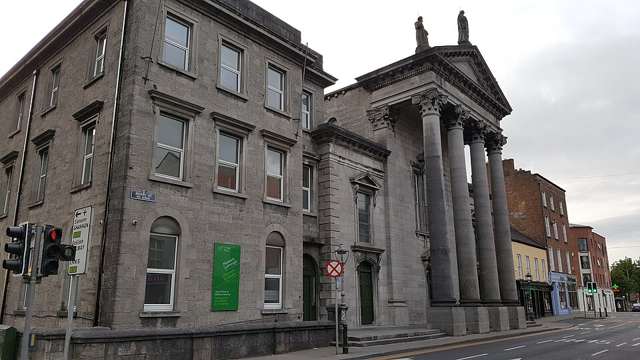
Limerick Museum presents the history of the city and county through a varied collection in the former Franciscan Friary on Henry Street. Archaeology, local craft, printing and personal objects share the displays. It is a free central museum, suited to visitors who want a wider context for Limerick beyond one castle, church or historical period.
From research
Choose it for a collection-led indoor stop with enough variety for different interests. Follow one or two themes rather than rushing through the unusual objects alone. The present Henry Street location matters: the museum has moved several times, so old directions to earlier buildings can lead to the wrong place.
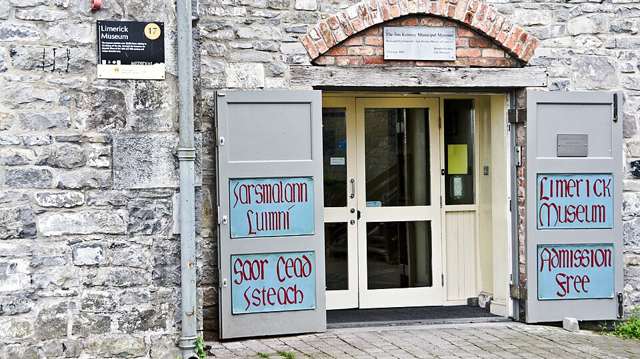
Know before you book: Current venue is the Old Franciscan Friary, Henry Street. Monday–Friday 10:00–17:00; Saturday 10:00–13:00 and 14:00–17:00. Admission is free.
Place highlights
Look at the objects used to connect early settlement with the later city. A museum collection can reveal civic identity through small items as well as through the larger monuments encountered outside.
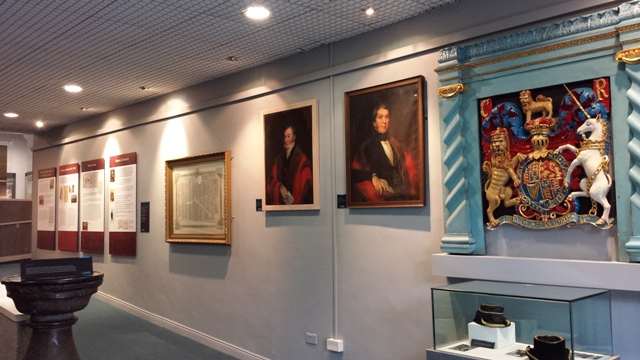
Limerick silver, lace and printing material provide a thread through skilled work and local industry. Comparing these objects can be more informative than treating every gallery as a separate historical list.
The museum identifies unusual items among its holdings, including a mummified cat and a meteorite fragment. Read their provenance and context rather than allowing novelty to replace the wider city-and-county story.
The story behind the visit
Founded in 1907 and opened to the public in 1916, the museum has occupied several Limerick addresses. It moved to the former Franciscan Friary on Henry Street in 2017. That changing institutional history is useful practical information as well as a story of how the city has made space for its collections over time. Source ↗
The council describes a collection spanning archaeological material, local silver and lace, printing and military artefacts. Objects range from early tools and medieval coins to material connected with later civic and national events. The value lies in the connections between people, work and place rather than a single period reconstructed in full. Use the museum as an introduction to subjects worth following elsewhere in Limerick, while keeping gallery objects distinct from the original settings in which they were used. The variety is part of the museum’s purpose: a broad collection can connect different forms of evidence around the lives of one place. Source ↗
Visitor information
The museum is in the Old Franciscan Friary on Henry Street, V94 C7W1. The council places it a short walk from O’Connell Street; use current local transport and parking information. Official visitor information ↗
Confirm current access and visitor arrangements with the operator.
No. Limerick Museum is a separate city-and-county collection on Henry Street. Source ↗
No. The current museum is at the former Franciscan Friary on Henry Street. Source ↗
Nearby options
Explore other places in the area, then use live directions to plan your journey.
attraction
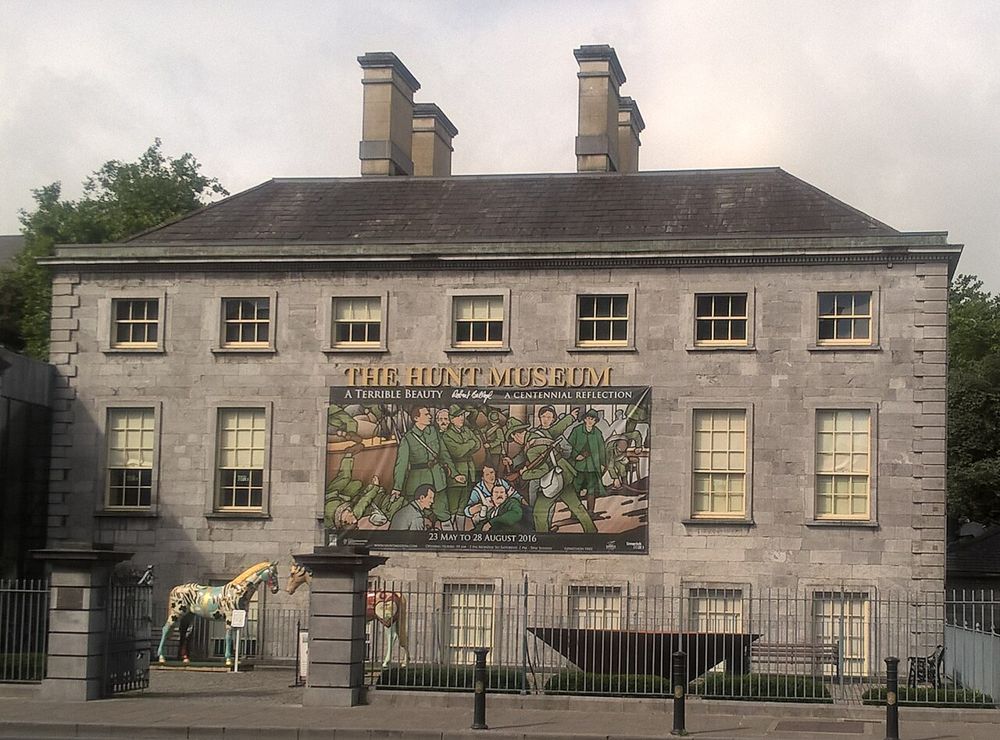
The Hunt is for looking closely: a relatively compact collection where small objects can hold the attention longer than their size suggests. It makes a useful indoor counterpart to Limerick's larger stone…
Open place page →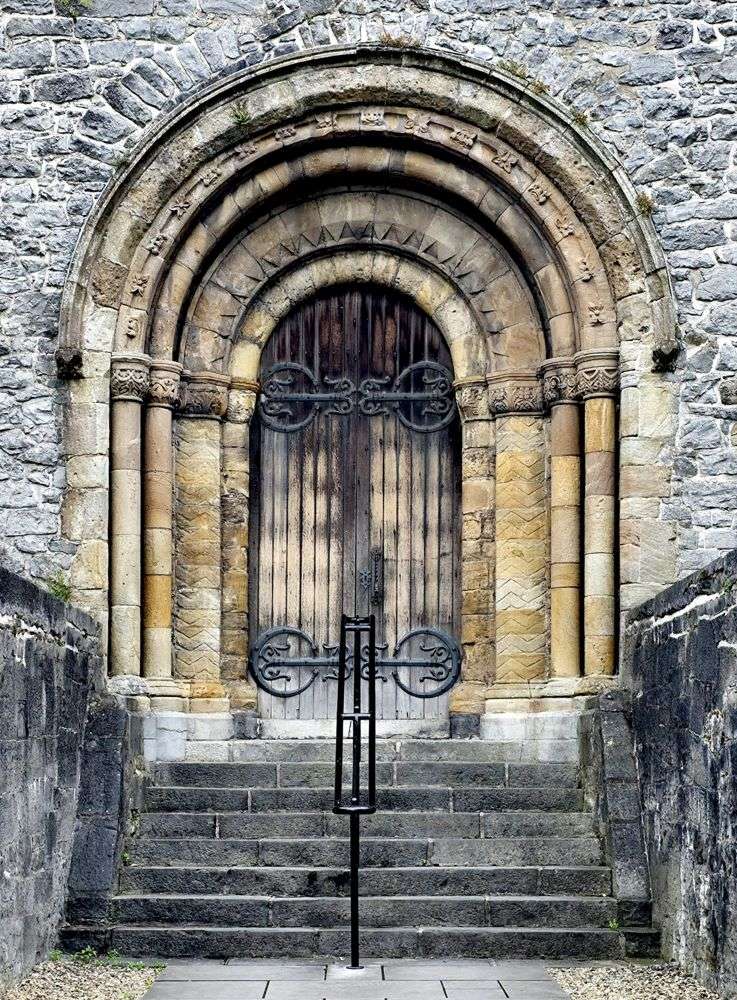
heritage
St Mary's gives Limerick's medieval quarter a quieter centre. The interest lies in how a long-used cathedral has accumulated architecture, monuments and signs of worship rather than remaining unchanged.
Open place page →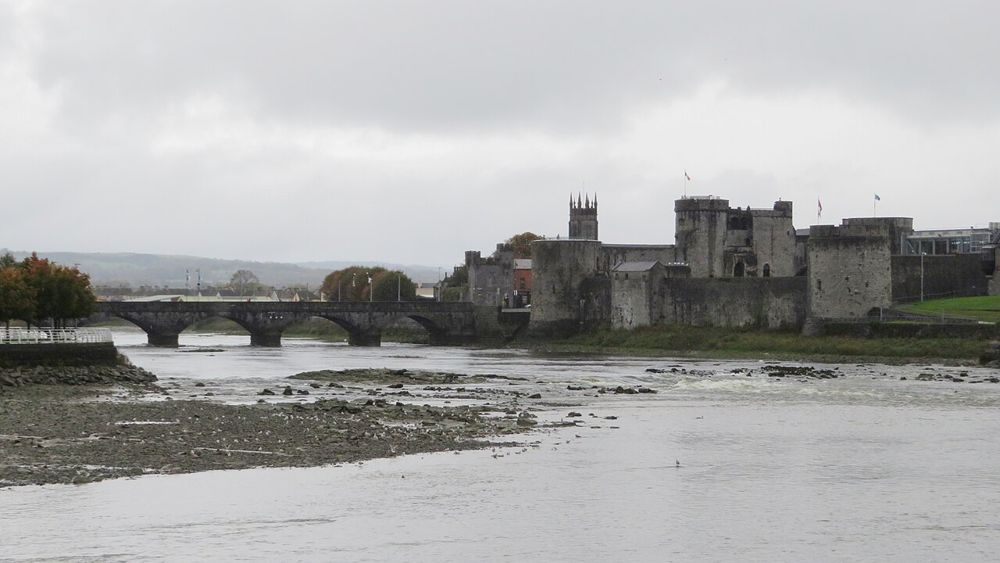
heritage
King John's Castle makes the Shannon part of the history lesson. Its walls and towers give the city's strategic position an immediate scale, while the visitor exhibition supplies the detail that bare stone…
Open place page →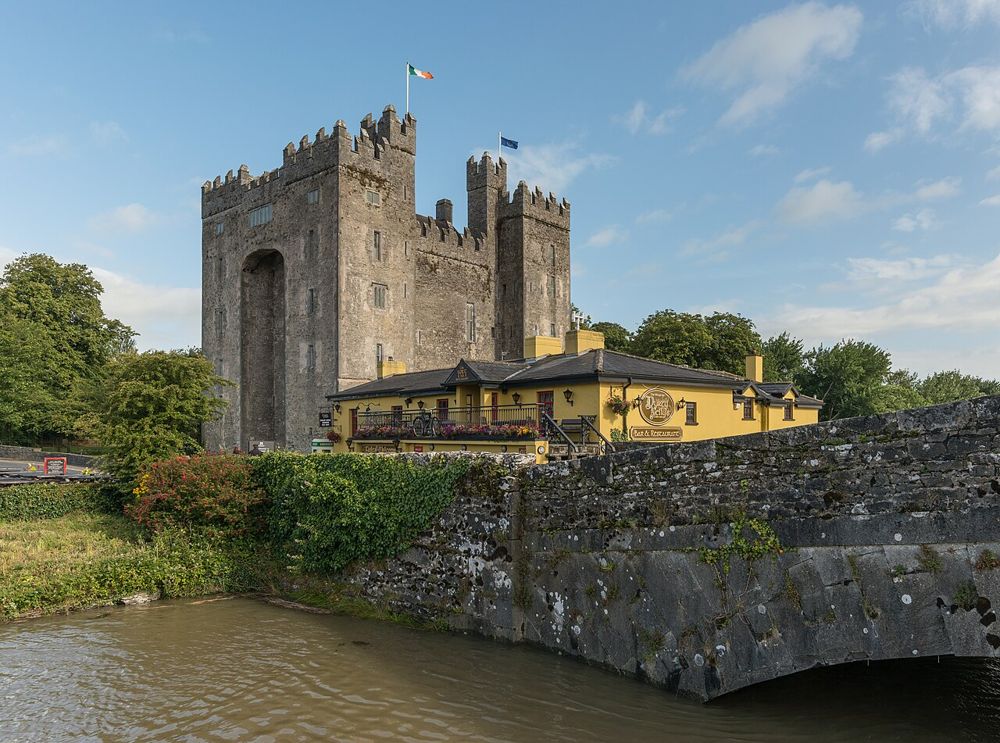
heritage
Bunratty is worth planning as a castle and village visit, rather than a quick photograph from the road. Inside the stone tower, furnished halls make the scale of an elite medieval household tangible. Outside,…
Open place page →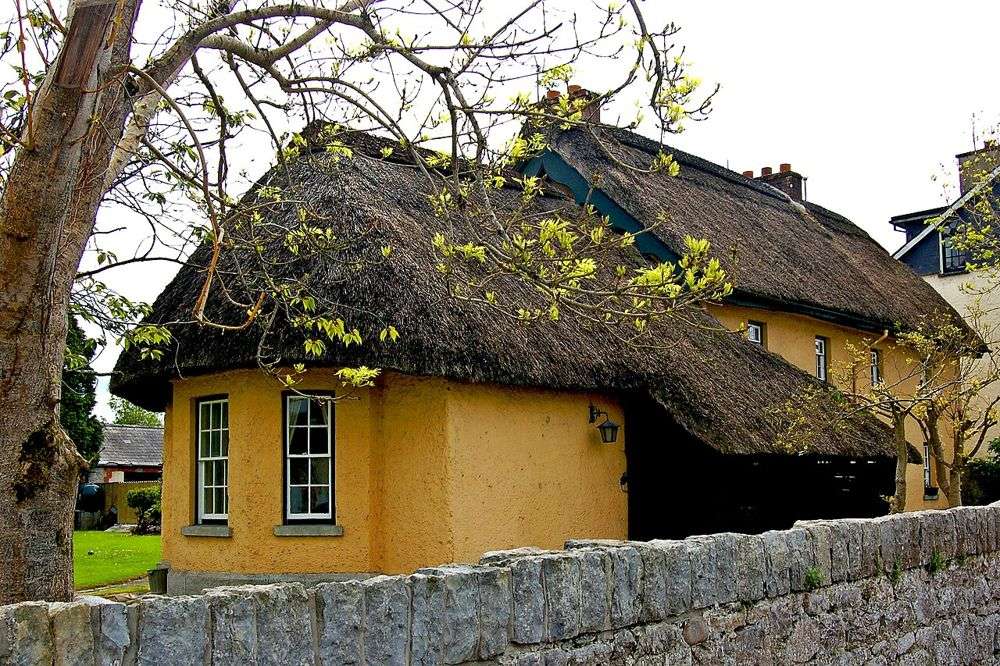
city
Adare is easy to reduce to a row of thatched cottages, but the village works better as a slow walk through architecture, parks and religious buildings. Give it room beyond the first photograph.
Open place page →
heritage
Lough Gur rewards seeing archaeology in a lived-in landscape: water, slopes and monuments are close enough to read together, but not all are reached from the same doorway.
Open place page →Location & access
Current venue is the Old Franciscan Friary, Henry Street. Monday–Friday 10:00–17:00; Saturday 10:00–13:00 and 14:00–17:00. Admission is free.
52.66306, -8.62917 · Reference point; confirm the correct entrance and access. Map © OpenStreetMap contributors.
Orientation only: a verified public entrance is not established by this pin. Use the operator arrival information before travel.