Skip to content
TheLazyNick

coast · Clare

Lahinch Beach

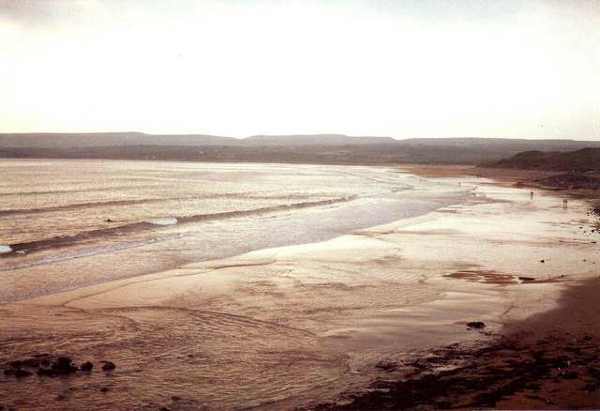
Lahinch Beach is a sandy Atlantic shore beside the town, with a strong relationship between the seafront and the moving water. Its appeal is easy to understand from land: a broad bay, changing surf and a shore that looks different as the tide rises. Keep a beach walk separate from any decision to enter the sea.

Add to planSaved trips & places

Saved on this browser. No account needed.

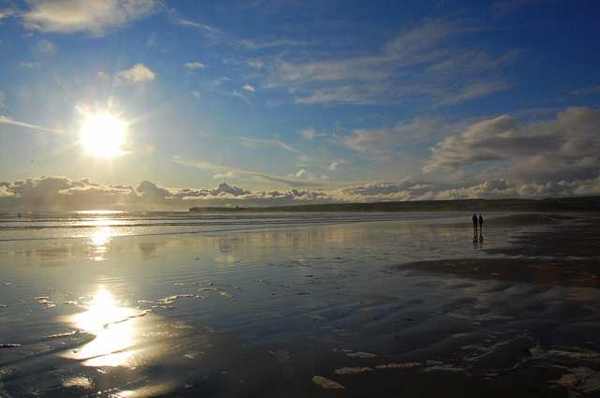
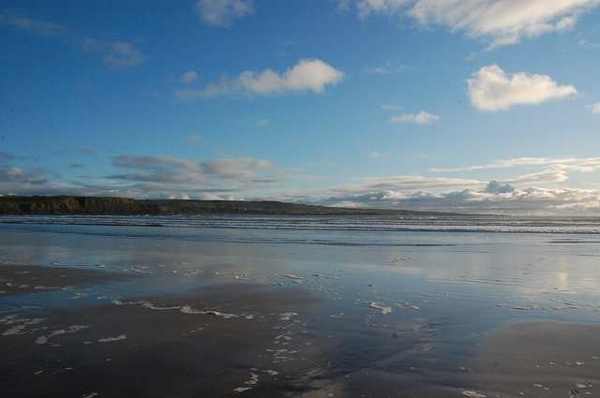
Sky reflected in wet sand at Lahinch Beach
Sky reflected in wet sand at Lahinch Beach. Resized for display. Photo: Lukemcurley ↗ · CC BY-SA 3.0

From research

Is this worth your time?

Choose Lahinch when you want coastal scenery close to a town rather than a remote strand. It is well suited to an adaptable stop, especially if you prefer to shorten the walk when weather changes. Strong waves and currents are part of the published beach description, so a busy seafront should never be read as a safety signal.

Know before you book: This is a coastal land visit. Tide, waves and weather can change access; a beach designation does not guarantee safe swimming.

Place highlights

What you will actually see

01

The open shore

Pause at the established approach before beginning your walk. Look along the sand and towards Liscannor Bay, noticing which sections remain comfortably accessible. An out-and-back route makes it easier to shorten the visit when the weather or available shore changes.

02

The coastal edges

Look at the contrast between the main beach and the land at its margins. Keep to established access and open sand, leaving vegetation and wildlife undisturbed. Avoid using rocks, dunes or river mouths as shortcuts to extend your route.

03

A changing seascape

Take time to watch how water, cloud and light alter the view. A beach can be rewarding without entering the sea. Keep enough space from breaking waves and leave yourself a straightforward return to the public access point.

The story behind the visit

The story behind the place

The EPA describes a sandy bathing area below a coastal defence barrier made from large boulders. That contrast between managed town frontage and open Atlantic shore is central to the visit. Look along the bay from the established seafront before choosing a walking direction. The boulders are coastal infrastructure, not a walking surface, and the available sand changes with the state of the tide. Source ↗

Lahinch is associated with surfing and other sea activities, but watching those activities and taking part require different preparation. The official beach profile explicitly notes strong waves and currents. A shoreline visit can remain entirely on land, with the sound and movement of the Atlantic providing its interest. Follow local beach-management signs and allow working space for other users, while treating any organised water session as a separately booked activity led by its provider. A measured visit gives room to notice these changes without leaving the established public shore. Source ↗

Visitor information

Tickets, timing and access

Opening
Plan a daylight visit and obey current closures or local beach signs.Confirm with the operator ↗
Admission
Use current local notices for any parking charges or managed-access arrangements.Confirm with the operator ↗
Booking
An independent beach walk needs no organised departure; book any water activity separately.Confirm with the operator ↗
Access
Use the established public approach; avoid dunes, unstable rocks and river mouths.Confirm with the operator ↗
Duration
Allow about an hour for a relaxed out-and-back walk, adjusted to conditions.Confirm with the operator ↗
Seasonal
Check current EPA notices and weather. Never assume lifeguards operate outside posted hours.Confirm with the operator ↗

Getting to the entrance

Approach from Lahinch town and its signed public seafront access. Check current local parking and shoreline restrictions before leaving the promenade. Official visitor information ↗

Your questions, answered

Confirm current access and visitor arrangements with the operator.

Is swimming included in this visit?

No. Check current water quality, flags, conditions and local safety advice before considering the water. Source ↗

Must I walk the whole beach?

No. Choose a comfortable turning point and return before tide or weather reduces your options. Source ↗

Nearby options

Nearby places to explore

Explore other places in the area, then use live directions to plan your journey.

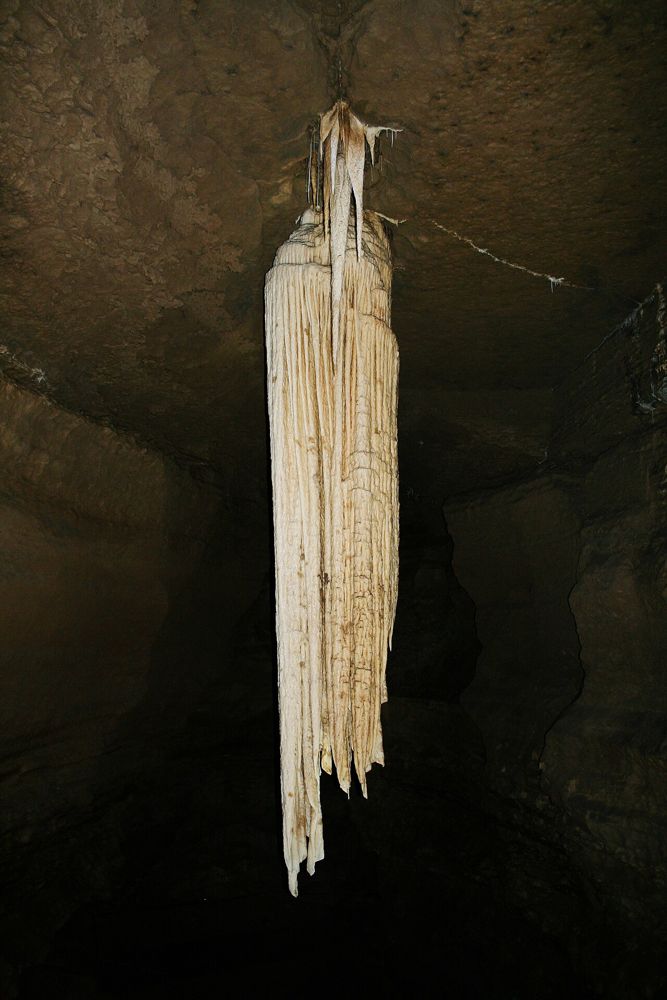
The hanging stalactite inside Doolin Cave
The hanging stalactite inside Doolin Cave. Photo: Ingo Mehling ↗ · CC BY-SA 3.0

attraction

Doolin Cave

Doolin Cave builds its visit around a single geological object: a huge free-hanging stalactite in an underground chamber. The reward comes from seeing its scale after the descent, not from covering miles of…

Open place page →
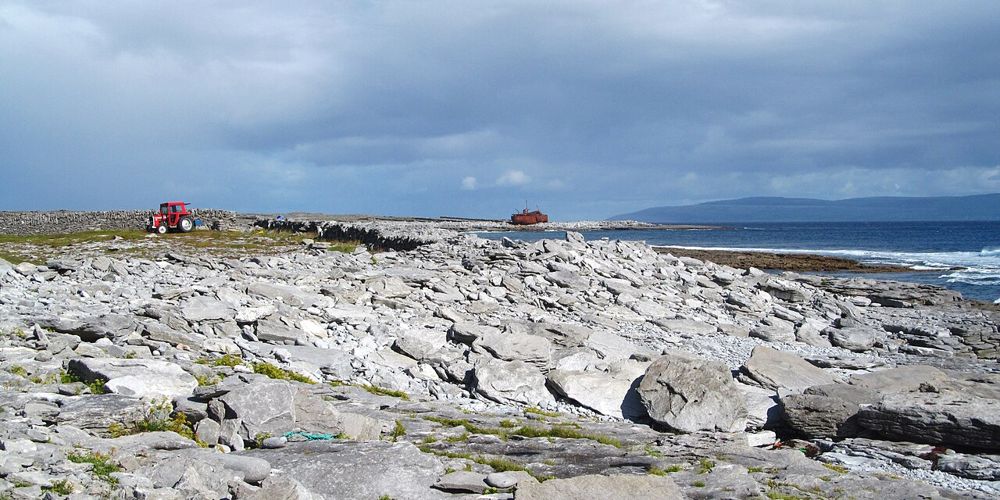
Rocky shoreline on Inis Oírr
Rocky shoreline on Inis Oírr. Photo: Gordon Hatton ↗ · CC BY-SA 2.0

coast

Inis Oírr

Inis Oírr is the smallest Aran Island, but a small island is not the same as an effortless checklist. Stone-walled lanes, the harbour-side settlement and the Plassey wreck draw people in different directions.…

Open place page →
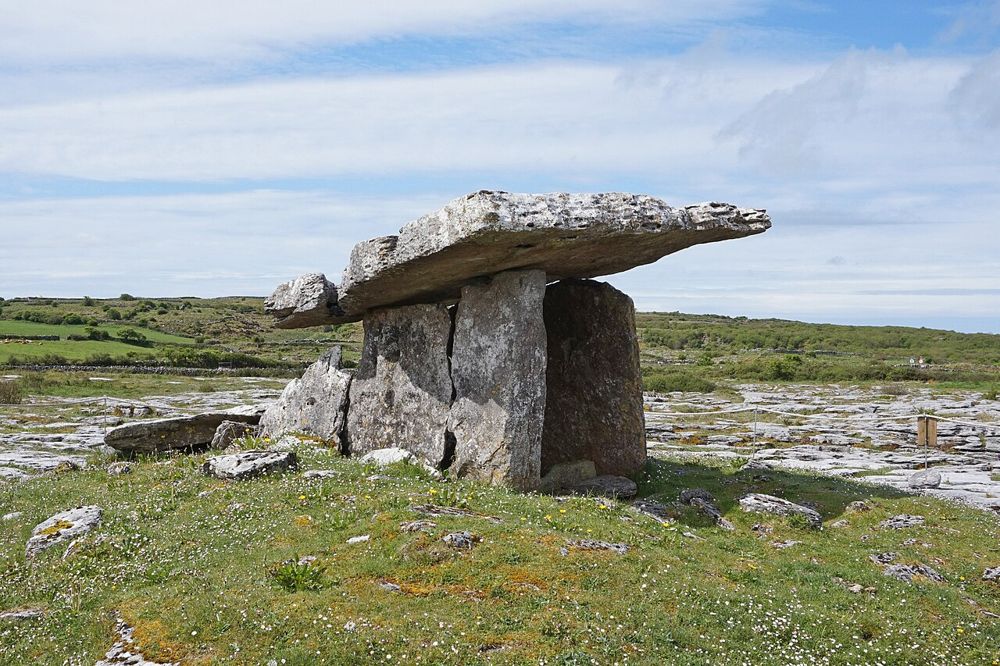
Poulnabrone portal tomb on the Burren limestone plateau
Poulnabrone portal tomb on the Burren limestone plateau. Photo: Bernard Gagnon ↗ · CC BY-SA 4.0

heritage

Poulnabrone Dolmen

Poulnabrone is small enough to be rushed and old enough to deserve better. The tilted capstone stands above a rough limestone plateau, with very little competing for your attention. After the familiar…

Open place page →

External visitor reviews

Find the matching listing and reviews on Google Maps ↗

Part of a bigger journey

Location & access

Getting your bearings

This is a coastal land visit. Tide, waves and weather can change access; a beach designation does not guarantee safe swimming.

52.93346, -9.34975 · Reference point; confirm the correct entrance and access. Map © OpenStreetMap contributors.

Orientation only: a verified public entrance is not established by this pin. Use the operator arrival information before travel.

Sources & place context

Browse more Ireland places →