From research
Is this worth your time?
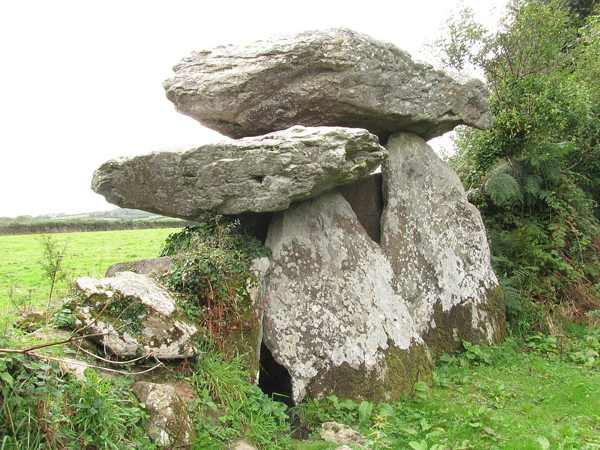
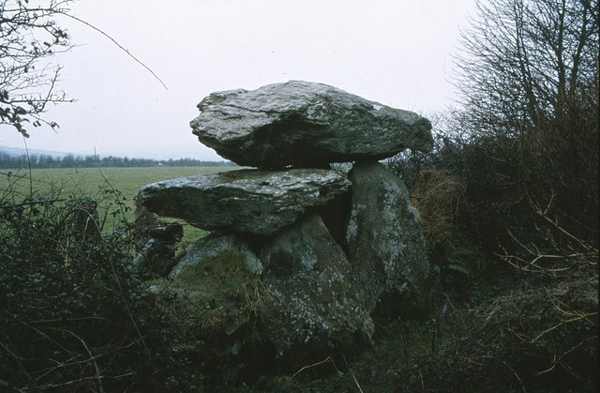
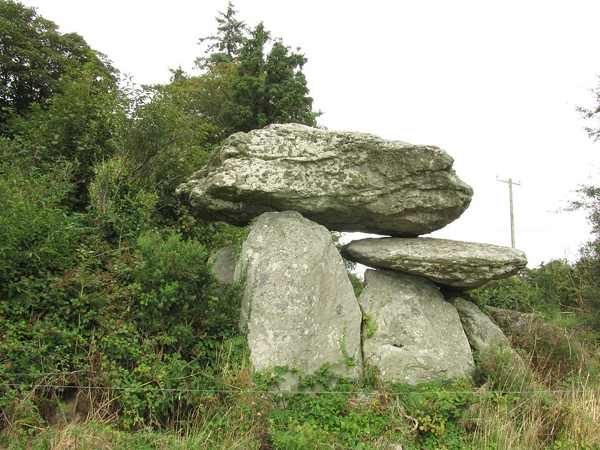
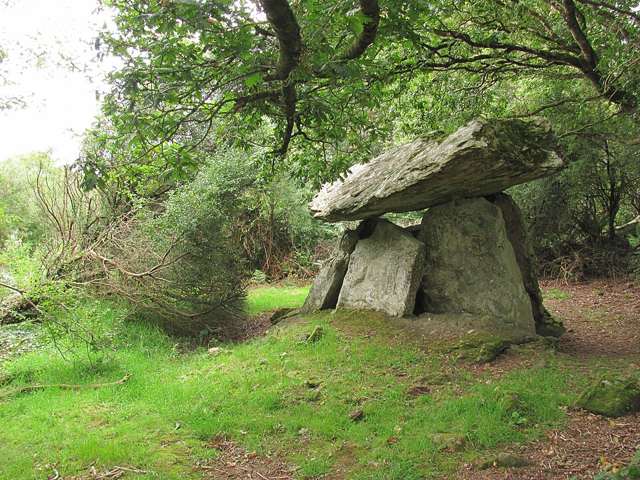
Choose Knockeen if the engineering and scale of megalithic tombs interest you. Compare the capstones with the uprights and the enclosing chamber rather than viewing the structure as a single balanced slab. Its position within a later burial landscape also provides a useful reminder that significant places can be used and interpreted across very different periods.
Know before you book: The tomb’s visible form does not establish an invitation to crawl inside. Leave loose stones, vegetation and graveyard features undisturbed, and follow the permitted local approach.
The story behind the visit
The story behind the place
The Office of Public Works places Knockeen within the Neolithic portal-tomb tradition, dating such construction to the fourth millennium BC. The category is defined by its entrance arrangement: two large uprights form a portal, while other stones enclose and support the chamber beneath substantial capstones. This is one of several forms of megalithic burial monument in Ireland, not a miniature version of every passage tomb or cairn. Looking at the specific arrangement helps explain why the tomb is classified as it is. Source ↗
Knockeen’s later incorporation into a churchyard setting adds a second timescale to the visit. A prehistoric burial structure and later Christian memorials occupy the same small landscape, but they should not be described as parts of one original building project. Their proximity instead shows how places can remain significant while their meanings and uses change. The capstones and chamber preserve evidence of the older structure, while surrounding walls and graves belong to subsequent histories. Appreciating both layers does not require disturbing either: careful exterior observation is enough to make the contrast between periods visible and to understand the monument as more than an isolated collection of large stones. Source ↗