From research
Is this worth your time?
Choose Kilfane if medieval sculpture and the practical arrangement of a church interest you. Begin with the effigy, then look at the niches, seating and painted details that place it within a religious building. The visit is richer when those features are connected rather than treating the knight as an isolated portrait.
Know before you book: Historic stairs and upper rooms described by the monument authority are not a visitor route. Do not climb, touch painted surfaces or lean against the effigy.
The story behind the visit
The story behind the place
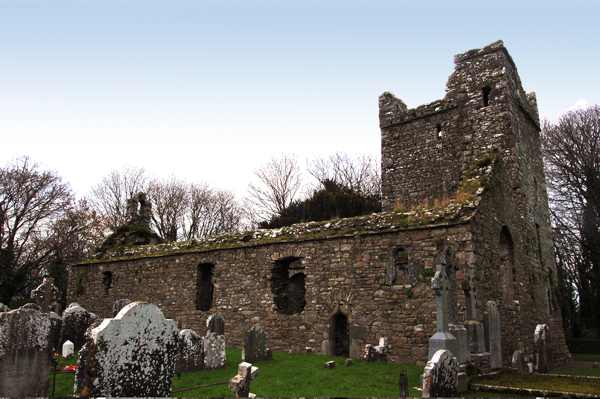
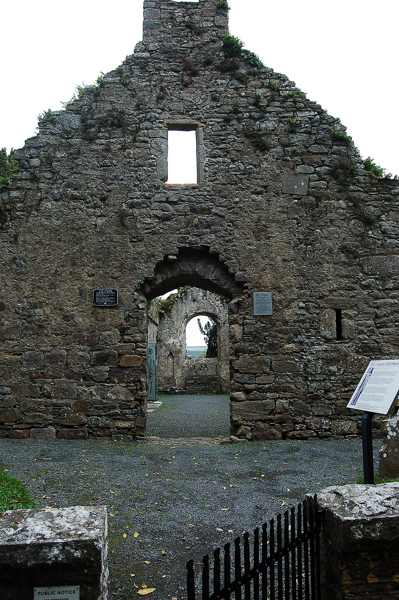
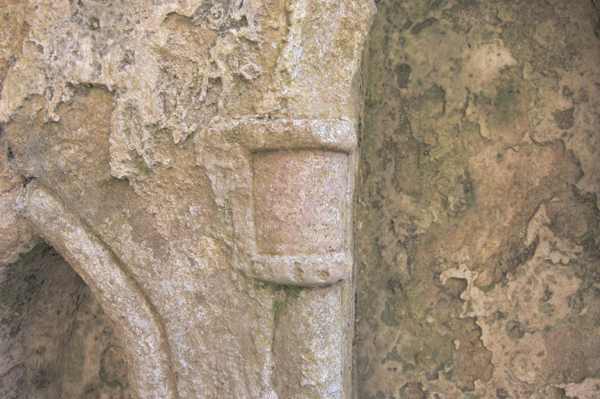
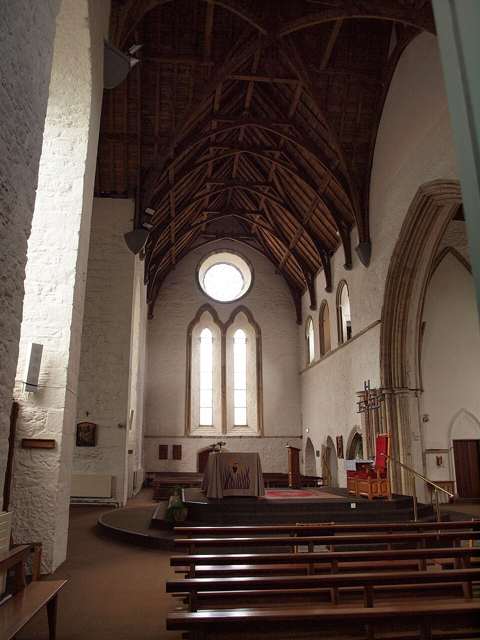
Architectural evidence places the present church in the medieval period, with later additions to the adjoining tower structure. Its history also includes use as a Protestant church and subsequently as a schoolhouse. The roofless monument therefore represents successive functions rather than one unchanged moment. Surviving fittings offer a way to distinguish these layers, particularly where liturgical seating, storage recesses and painted consecration marks remain associated with the building’s religious use. Source ↗
The effigy called Cantwell Fada, or Long Cantwell, is a major survival of medieval sculpture. Its shield carries Cantwell arms, but the Office of Public Works records uncertainty over its precise date and the individual represented. That caution is useful: a striking object does not become less interesting when its identity is debated. Armour, weapons and the scale of the carving still reveal how status was expressed in a funerary monument. Seen alongside the church’s painted and carved fittings, the figure connects remembrance of a powerful person with the religious space in which that memory was presented. Source ↗