Skip to content
TheLazyNick

heritage · Kilkenny

Duiske Abbey

Duiske Abbey stands at the centre of Graiguenamanagh as both a surviving medieval monastic church and the town’s Catholic parish church. The attraction is the scale and atmosphere of the interior, together with the way the abbey still anchors the surrounding settlement. Plan a respectful architectural visit around its continuing religious use.

Add to planSaved trips & places

Saved on this browser. No account needed.

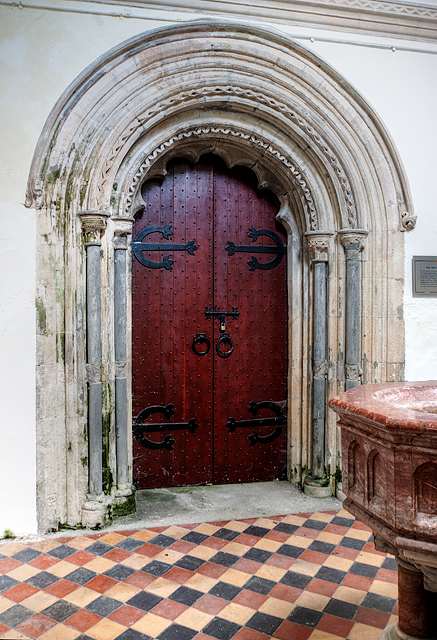
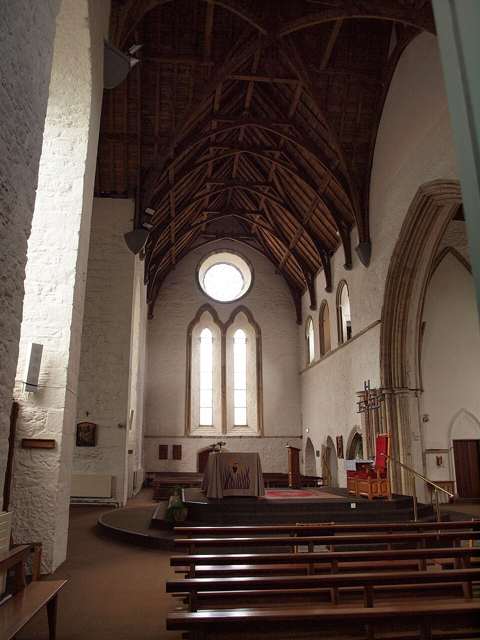
Interior of Duiske Abbey church
Interior of Duiske Abbey church. Source photograph: 2023-08-27. Appearance, displays and access may have changed. Photo: Smirkybec ↗ · CC BY-SA 4.0

From research

Is this worth your time?

Choose it if you enjoy church architecture and want a substantial heritage stop in a small Barrow-side town. It works well with time in Graiguenamanagh rather than as a rushed detour. A quiet open church and an organised guided visit are different experiences, so confirm group arrangements in advance.

Know before you book: The parish’s services and ceremonies govern access. Contact the parish for current sightseeing hours, guided visits and accessible entry.

Place highlights

What you will actually see

01

Church interior

Take time to appreciate the length, height and rhythm of the church rather than looking only for a single object. The building’s scale is a useful starting point for imagining the resources and community required by a medieval Cistercian foundation.

02

Restoration and survival

Look for evidence of different phases instead of assuming everything visible is medieval. The national architectural record treats the church and its surrounding structures as a layered complex, where later repair and continued use are part of the story.

03

Abbey and town

Walk the immediate town streets after the church visit. The abbey’s position makes its relationship with Graiguenamanagh easy to understand: this was a religious foundation around which a settlement developed, not an isolated monument separated from everyday life.

The story behind the visit

The story behind the place

Duiske originated as a Cistercian monastery in the early thirteenth century. Its surviving church is now the Catholic parish church, a continuity of religious use that changes the experience of visiting. Architectural interest and active worship coexist here, so the most useful way to approach the site is as a functioning place with a deep history. Source ↗

The National Inventory of Architectural Heritage records the church, boundary features and graveyard as a complex of historic fabric. That broader view helps explain why the setting matters alongside the interior. Gates, masonry and the relationship with neighbouring streets can reveal later chapters in the abbey’s use. Look slowly and distinguish what is visible today from what must be reconstructed through interpretation. The ongoing parish role also changes the visitor’s position. You are entering a shared religious space, so looking carefully and behaving quietly belong together; the building’s living function is as important as its age or scale. Source ↗

Visitor information

Tickets, timing and access

Opening
Confirm quiet visitor access with the parish for your chosen day; services take priority.Confirm with the operator ↗
Admission
A fixed sightseeing admission price is not confirmed by the cited parish information.Confirm with the operator ↗
Booking
Arrange group or specialist visits directly rather than assuming a scheduled guided tour.Confirm with the operator ↗
Access
Ask about the church entrance, interior route and any particular mobility needs.Confirm with the operator ↗
Duration
Allow time for the church and town setting; the duration depends on access and personal interest.Confirm with the operator ↗
Seasonal
Ceremonies, parish events and services can restrict sightseeing at any time of year.Confirm with the operator ↗

Getting to the entrance

The abbey is in central Graiguenamanagh, County Kilkenny. Use the parish’s current directions and local signs for arrival. Official visitor information ↗

Your questions, answered

Confirm current access and visitor arrangements with the operator.

Is Duiske still a church?

Yes. It serves as Graiguenamanagh’s Catholic parish church. Source ↗

Can I assume a guided tour on arrival?

No. Contact the parish or local visitor service for current arrangements. Source ↗

Nearby options

Nearby places to explore

Explore other places in the area, then use live directions to plan your journey.

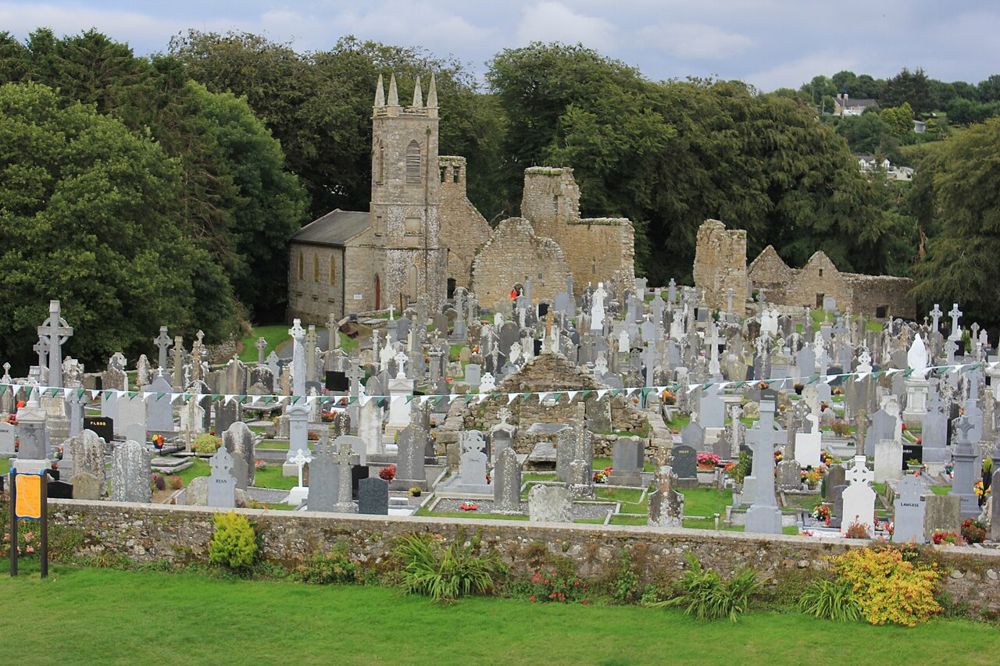
The graveyard and monastic remains at St Mullins
The graveyard and monastic remains at St Mullins. Resized from the credited source photograph; conditions and access may have changed. Photo: James Keppel ↗ · CC BY-SA 4.0

heritage

St Mullins Monastic Site

St Mullins is best approached slowly from the Barrow: a riverside village below, a cluster of religious ruins and a graveyard above. It does not announce itself with one spectacular intact building. The appeal…

Open place page →
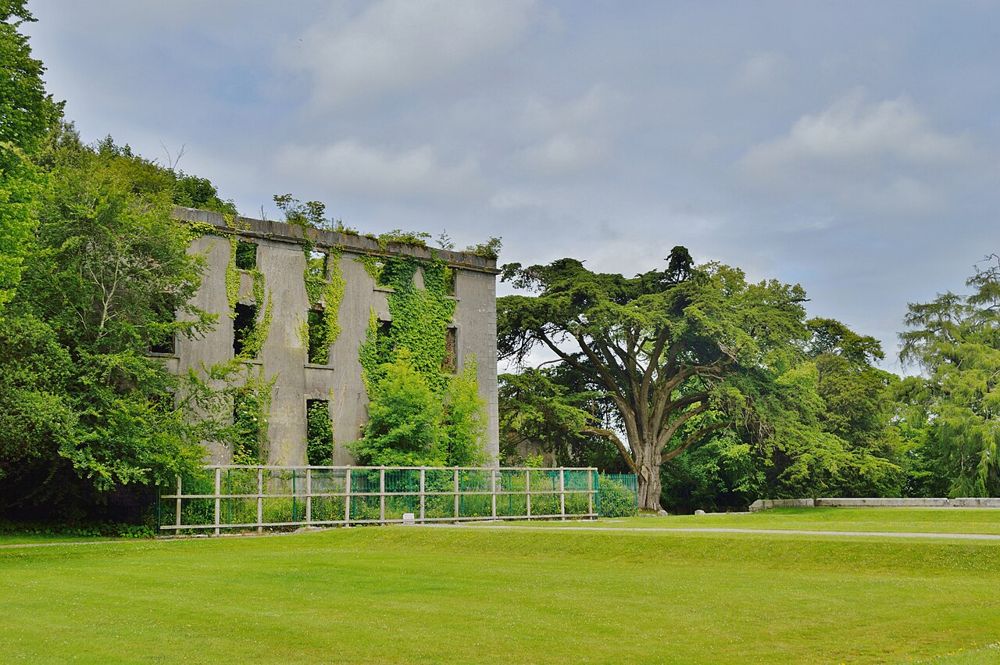
The ruined house amid the grounds of Woodstock at Inistioge
The ruined house amid the grounds of Woodstock at Inistioge. Resized from the credited source photograph; conditions and access may have changed. Photo: Sabrina O Brien ↗ · CC BY-SA 4.0

nature

Woodstock Gardens and Arboretum

Woodstock is a good reason to stay above Inistioge for a while rather than photograph the village and move on. The ruined house, formal garden and tall tree avenues offer several different moods in one…

Open place page →
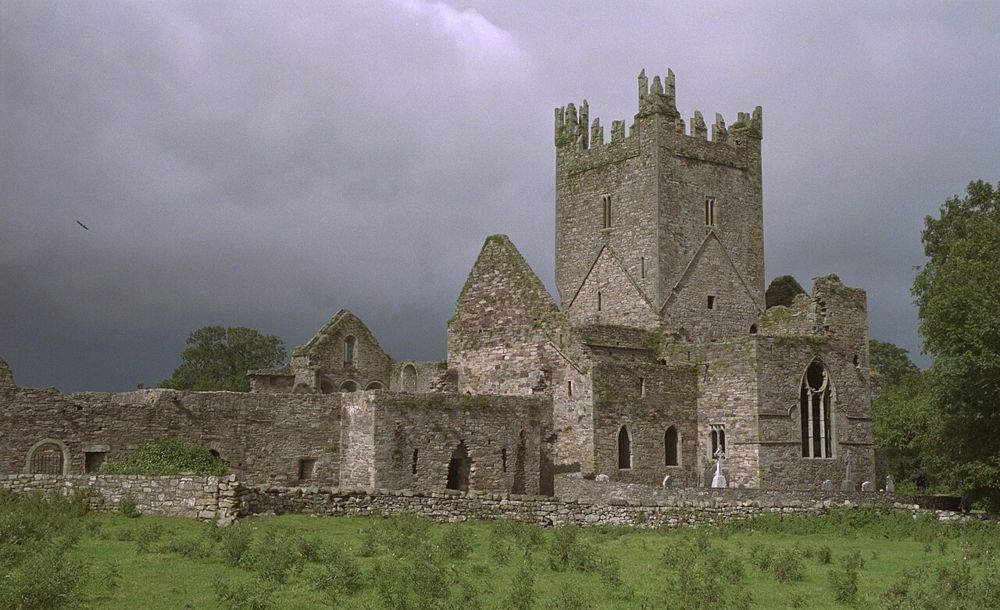
The surviving stone church and tower at Jerpoint Abbey
The surviving stone church and tower at Jerpoint Abbey. Source photograph dated 1997. Resized from the credited source photograph; conditions and access may have changed. Photo: Andreas F. Borchert ↗ · CC BY-SA 4.0

heritage

Jerpoint Abbey

At Jerpoint, the small carved figures are the reason to slow down. From a distance the abbey can look like another handsome ruin; at the cloister, people, animals and details in the stone make it a much more…

Open place page →
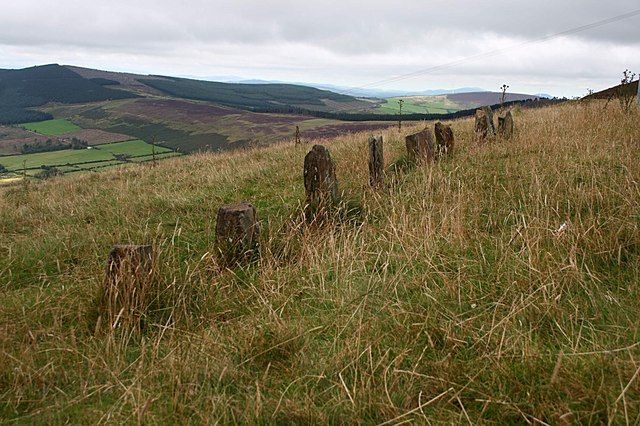
The stone alignment at the Nine Stones on Mount Leinster’s shoulder
The stone alignment at the Nine Stones on Mount Leinster’s shoulder. Resized from credited source. Photo: kevin higgins ↗ · CC BY-SA 2.0

nature

Nine Stones Viewing Point

The Nine Stones gives a wide view from the shoulder of Mount Leinster without requiring you to commit to the summit. The small row of stones is easy to overlook beside the scale of the countryside. Stop for…

Open place page →
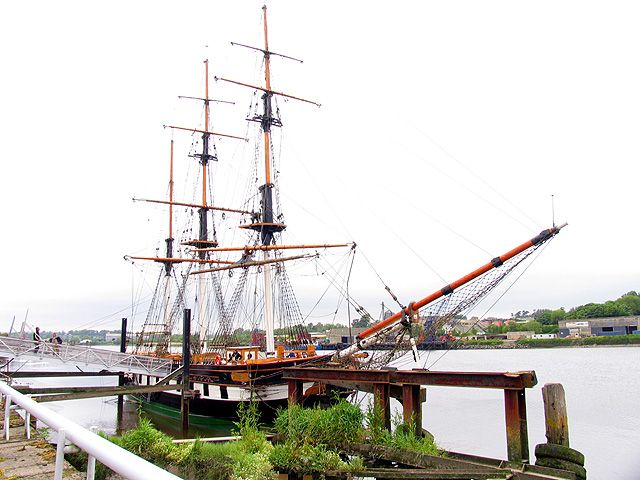
The replica Dunbrody famine ship moored at New Ross
The replica Dunbrody famine ship moored at New Ross. Source photograph dated 2005. Resized from the credited source photograph; conditions and access may have changed. Photo: Pam Brophy ↗ · CC BY-SA 2.0

attraction

Dunbrody Famine Ship Experience

The Dunbrody turns emigration from a national story into a question of space: where people slept, how closely they travelled and what a departure could mean. The vessel on the New Ross quay is a…

Open place page →
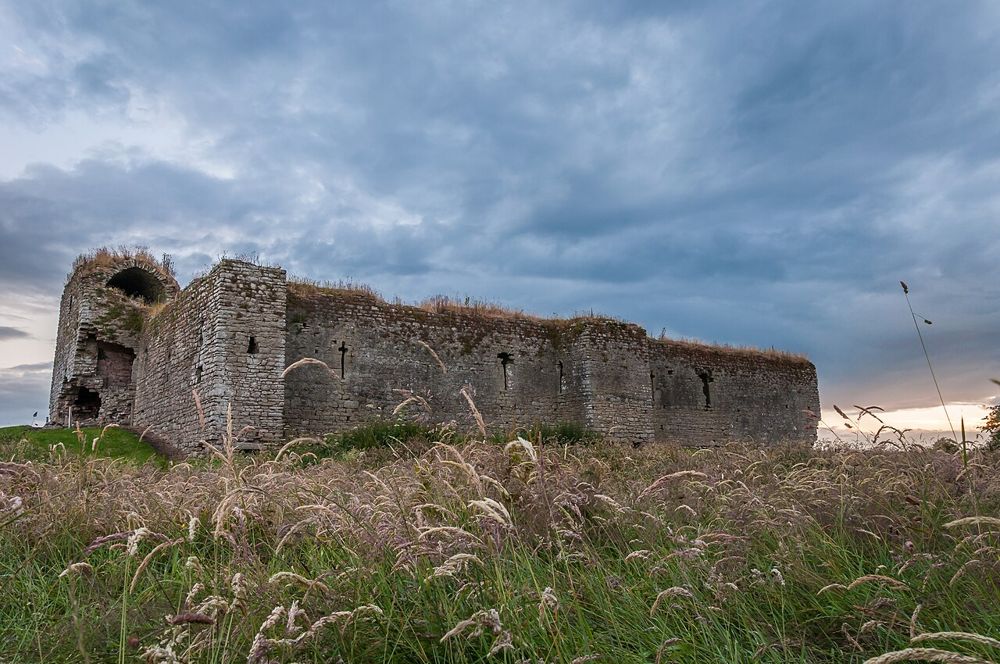
Ballymoon Castle’s low stone enclosure at sunset
Ballymoon Castle’s low stone enclosure at sunset. Resized from credited source. Photo: Poleary91 ↗ · CC BY-SA 4.0

heritage

Ballymoon Castle

Ballymoon is a different sort of castle visit: a low, broad enclosure in a field, with walls that let you read a plan rather than climb a tower. Its spare appearance is the attraction. Walk slowly around the…

Open place page →

External visitor reviews

Find the matching listing and reviews on Google Maps ↗

Part of a bigger journey

Location & access

Getting your bearings

The parish’s services and ceremonies govern access. Contact the parish for current sightseeing hours, guided visits and accessible entry.

52.54111, -6.95465 · Reference point; confirm the correct entrance and access. Map © OpenStreetMap contributors.

Orientation only: a verified public entrance is not established by this pin. Use the operator arrival information before travel.

Sources & place context

Browse more Ireland places →