Skip to content
TheLazyNick

heritage · Fermanagh

Headhunters Barber Shop & Railway Museum

You can visit Headhunters Railway Museum without having a haircut. Behind its unusual pairing with an Enniskillen barber shop, the museum preserves a substantial collection from the railways that once served Fermanagh. Reconstructed station settings and everyday railway objects give the vanished network a human scale within a town-centre building.

Add to planSaved trips & places

Saved on this browser. No account needed.

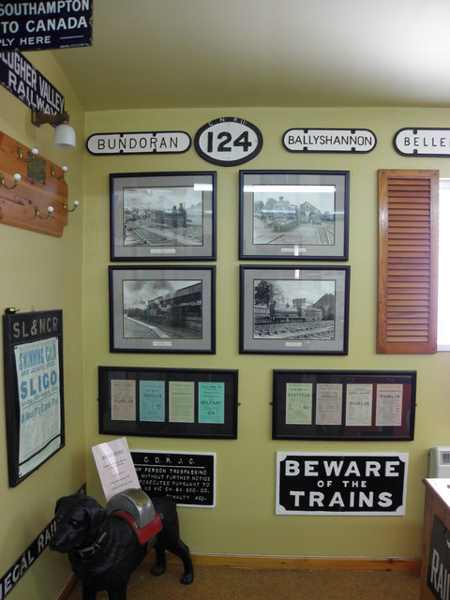
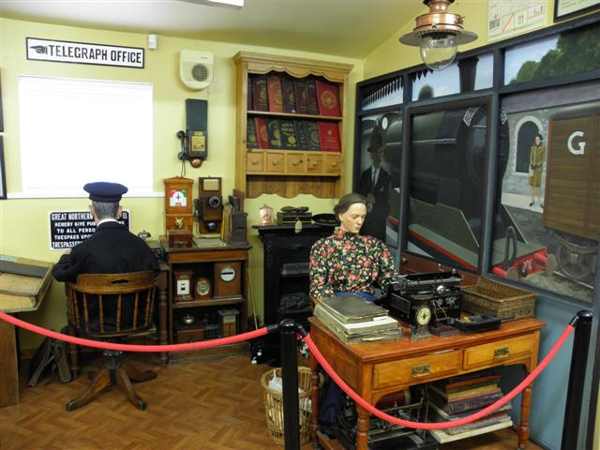
A recreated railway office and historic objects at Headhunters Museum
A recreated railway office and historic objects at Headhunters Museum Photo: Kenneth Allen ↗ · CC BY-SA 2.0

From research

Is this worth your time?

Choose Headhunters for local transport history and the practical detail of how a railway worked. A self-guided visit lets you move between the recreated spaces and individual objects at your own pace. Groups wanting a guided tour or illustrated talk should arrange it ahead; an ordinary museum visit does not require a barber appointment.

Know before you book: Tuesday–Saturday 9am–5.30pm; closed bank holidays. A museum visit is independent of the barber service.

Place highlights

What you will actually see

01

Station settings

Explore the reconstructed booking office, stationmaster’s office, ladies’ waiting room and signal box. These are interpreted settings within the museum, not rooms from an intact operating station. Look at how each space supported a different part of a journey, from buying a ticket to controlling train movements.

02

The small objects of railway work

Uniforms, lamps, tickets, timetables, signs and tableware show the range of work behind passenger and goods services. Read the company names and labels to connect an object with a particular railway. A modest everyday item can explain a task more clearly than a broad account of transport history.

03

The model railway

The operator also describes a large model railway on the second floor. Ask about access if stairs are difficult for your party. The model offers another way to look at railway operation, while the historical collection below connects the subject with Fermanagh’s own former lines.

The story behind the visit

The story behind the place

Railways reached Fermanagh in the 1850s and developed into connections serving passengers, goods and rural communities. The museum holds material associated with the Great Northern Railway of Ireland, the Sligo, Leitrim and Northern Counties Railway and the narrow-gauge Clogher Valley Railway. Those companies had different routes and operating characteristics. Keeping their names in mind helps distinguish a local branch or narrow-gauge service from the wider network, rather than imagining every object in the collection belonged to the same system. Source ↗

Fermanagh’s remaining railway services closed on 30 September 1957, ending a period in which trains carried people, cattle, mail and many other goods through the county. The museum’s collection preserves objects whose working purpose disappeared with that closure. The Johnston family combined an interest in local railway history with their established barbering business, and former railway employees have contributed to the collection. Today volunteers support the museum as a registered charity. Its recreated rooms and surviving objects make the loss of the network easier to understand at the level of daily work and travel, rather than through dates alone. Source ↗

Visitor information

Tickets, timing and access

Opening
Tuesday–Saturday 9am–5.30pm; closed bank holidays.Confirm with the operator ↗
Admission
Museum admission is free; donations support the registered charity.Confirm with the operator ↗
Booking
No prebooking is required for an ordinary visit; arrange guided groups and talks in advance.Confirm with the operator ↗
Access
The model railway is on the second floor; discuss access needs directly.Confirm with the operator ↗
Duration
Allow about one hour for a self-guided museum visit.Confirm with the operator ↗
Seasonal
Check holiday arrangements; do not rely on barber availability outside the published museum opening.Confirm with the operator ↗

Getting to the entrance

Find Headhunters at 5 Darling Street, Enniskillen, BT74 7DP. Use the railway museum’s own address. Official visitor information ↗

Your questions, answered

Confirm current access and visitor arrangements with the operator.

Do I need a haircut to see the museum?

No. The operator explicitly welcomes museum visitors without a haircut. Source ↗

Are these rooms an original railway station?

The museum presents reconstructed station settings alongside historical railway objects. Source ↗

Nearby options

Nearby places to explore

Explore other places in the area, then use live directions to plan your journey.

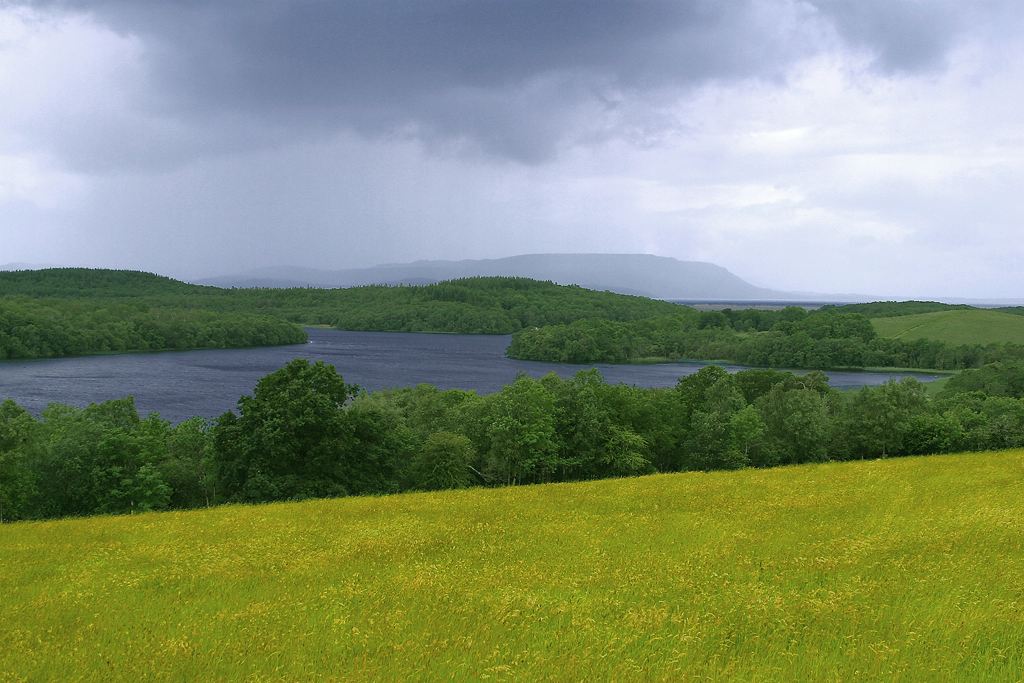
Lough Erne waters near Enniskillen
Lough Erne landscape in County Fermanagh, providing regional context for Enniskillen. This is not a photograph of the town centre or an identified visitor entrance. Photo: Jon Sullivan / PD Photo.org ↗ · Public domain

heritage

Enniskillen

Enniskillen is a town-and-waterfront visit with the castle museums as a useful heritage anchor. Wider lakeland outings and boat trips are separate plans.

Open place page →
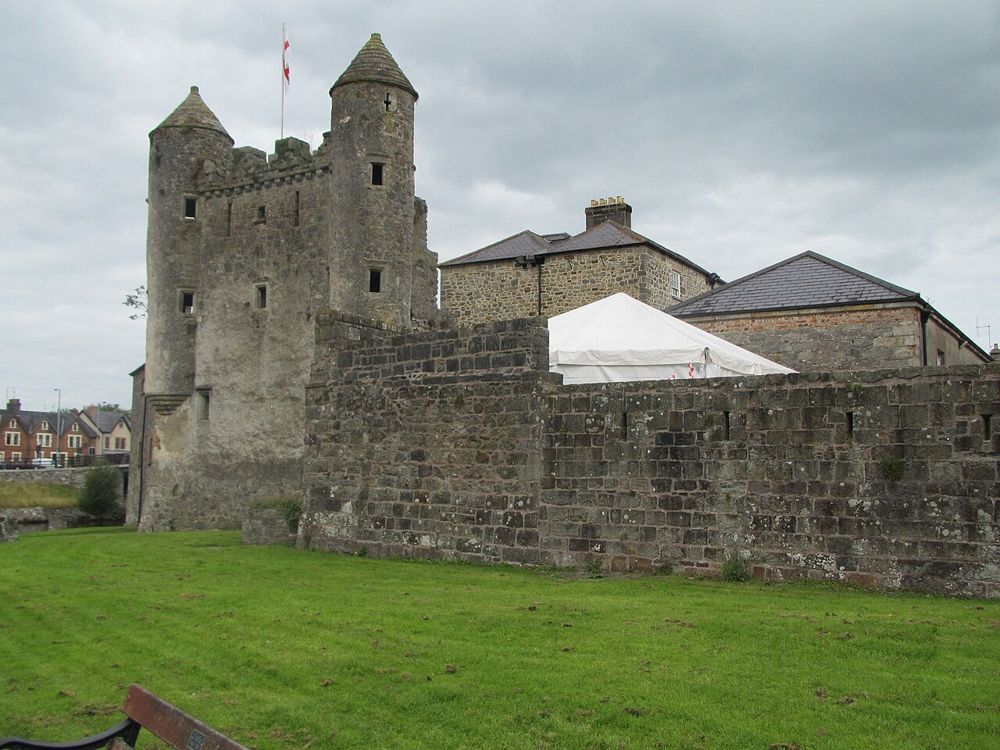
Stone walls and towers at Enniskillen Castle
Stone walls and towers at Enniskillen Castle. Resized from the credited source; appearance and access may have changed. Photo: Romeparis ↗ · CC BY-SA 3.0

attraction

Enniskillen Castle

Enniskillen Castle gives the island town a substantial historical anchor. The waterfront buildings contain more than a picturesque exterior: county history and military collections can occupy a much fuller…

Open place page →
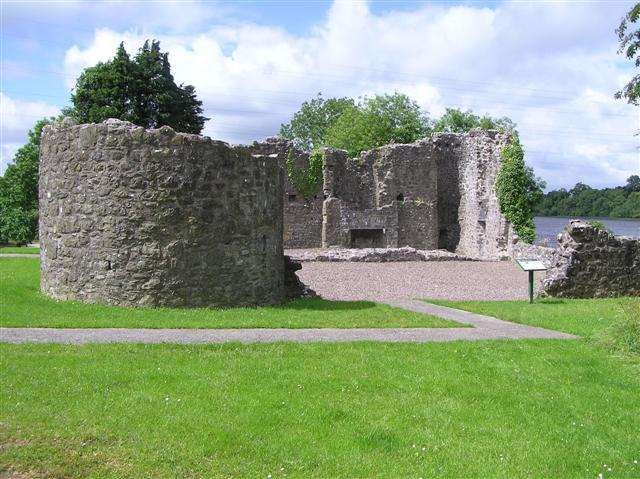
The surviving towers and walls at Portora Castle
The surviving towers and walls at Portora Castle. Resized for display. Photo: Kenneth Allen ↗ · CC BY-SA 2.0

heritage

Portora Castle

Portora Castle is a ruined plantation-era residence and defensive enclosure near Enniskillen, positioned where the river joins Lough Erne. Surviving round towers and wall fragments make the plan worth…

Open place page →
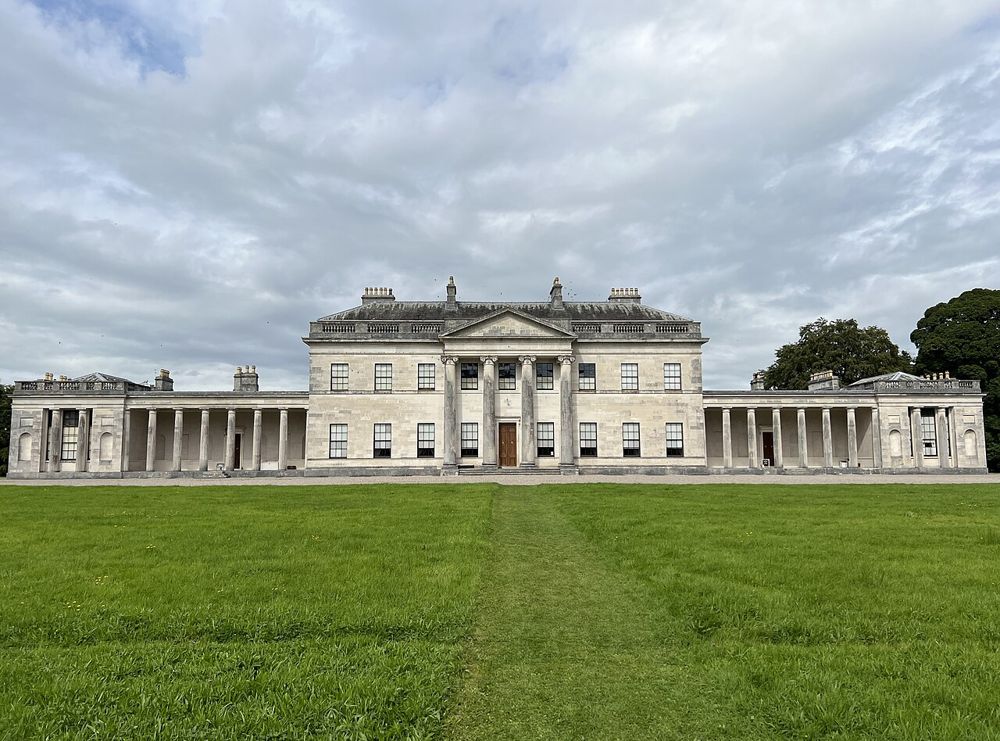
The neoclassical exterior of Castle Coole
The neoclassical exterior of Castle Coole. Credited source photograph; appearance and access may have changed. Resized from the original. Photo: Lucius Winslow ↗ · CC BY-SA 4.0

heritage

Castle Coole

Castle Coole is a country house rather than a defensive castle, and its formal architecture sets expectations for the rooms inside. The parkland adds space afterwards without needing to be the principal reason…

Open place page →
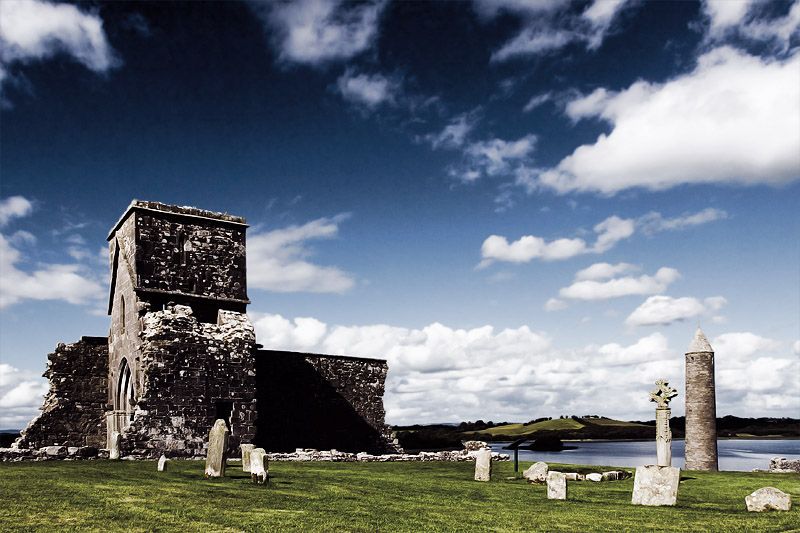
The monastic landscape on Devenish Island
The monastic landscape on Devenish Island. Credited source photograph; appearance and access may have changed. Resized from the original. Photo: Mole2k at English Wikipedia ↗ · CC BY-SA 3.0

heritage

Devenish Island

Devenish’s round tower becomes more memorable when you arrive across the lough. The water journey separates the monastic ruins from an ordinary roadside stop and gives the island’s setting a clear role in the…

Open place page →

External visitor reviews

Find the matching listing and reviews on Google Maps ↗

Part of a bigger journey

Location & access

Getting your bearings

Tuesday–Saturday 9am–5.30pm; closed bank holidays. A museum visit is independent of the barber service.

54.34663, -7.64171 · Reference point; confirm the correct entrance and access. Map © OpenStreetMap contributors.

Orientation only: a verified public entrance is not established by this pin. Use the operator arrival information before travel.

Sources & place context

Browse more Ireland places →