From research
Is this worth your time?
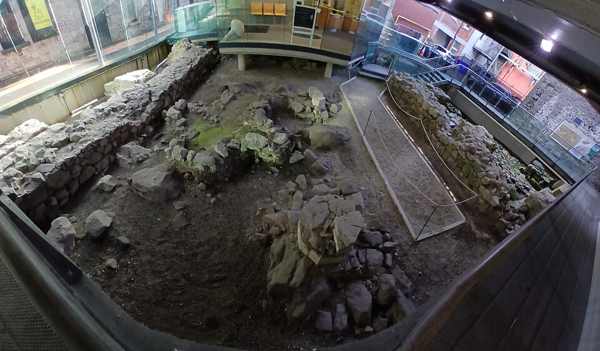
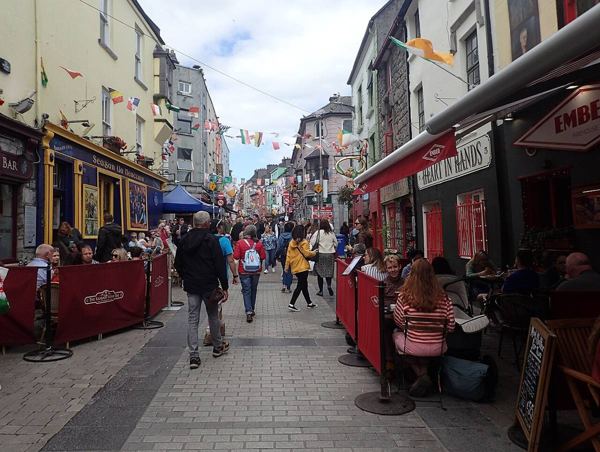
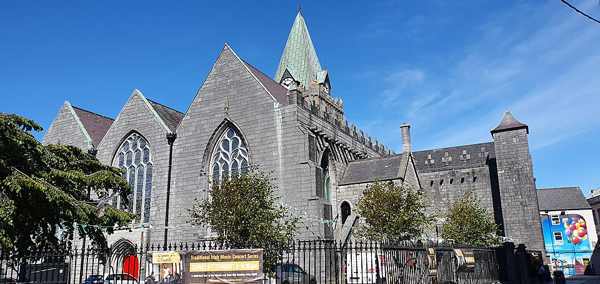
Choose it for a short, focused encounter with Galway below today’s street level. The viewing route and interpretation make it possible to understand the foundations without walking onto the archaeology. It is particularly useful alongside a city walk, when the contrast between the modern lanes and the surviving medieval plan can be seen immediately.
Know before you book: The foundations are the attraction. Special talks, art displays and guided city walks have their own dates and should not be assumed to run with every visit.
The story behind the visit
The story behind the place
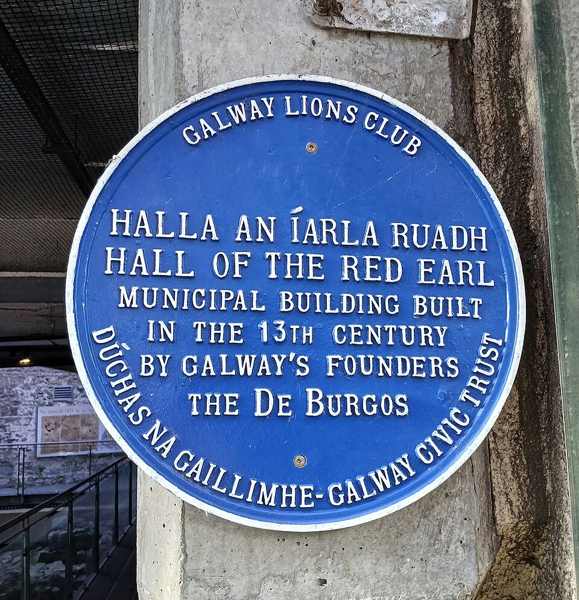
The hall dates to the thirteenth century and is linked to the Anglo-Norman de Burgo family’s role in Galway’s development. It took its name from Richard de Burgo, Earl of Ulster, and served multiple civic functions, including collecting taxes, dispensing justice and hosting banquets. Thinking of those activities together makes the remains easier to read. This was a place where authority was exercised and encountered, rather than merely a domestic residence with an impressive title. Source ↗
After the de Burgos lost power in the late fifteenth century, the hall fell out of use and was eventually covered by later building. OPW archaeologists uncovered the remains in 1997 during plans for an office extension. More than 11,000 artefacts emerged from the excavation, and the development was redesigned to preserve the site. Today’s protected viewing route is the result of that decision. It allows the medieval city and its modern successor to occupy the same small place, making preservation itself part of the story visitors see. Source ↗