From research
Is this worth your time?
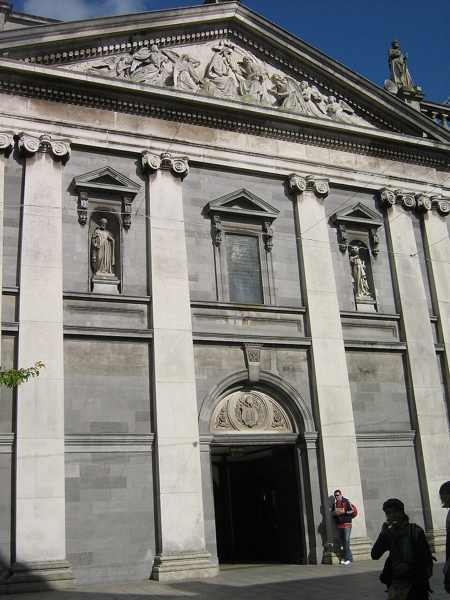
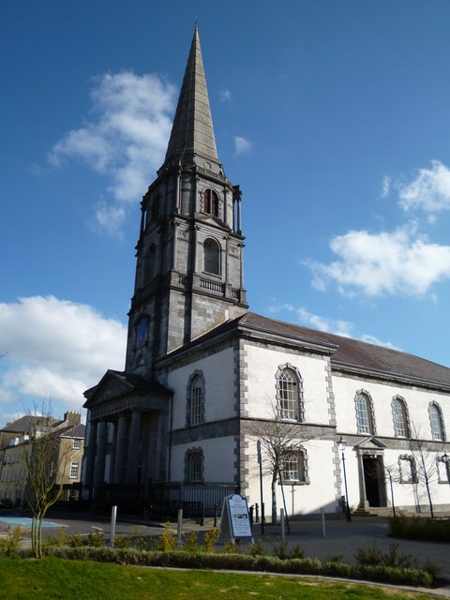
Choose this cathedral to see another side of Waterford’s architectural history beyond the Viking Triangle. Its relationship with John Roberts connects it with the city’s other cathedral, although the two buildings have different identities and visitor arrangements. An attentive visit rewards interest in architecture, materials and liturgical change without requiring a long museum-style itinerary.
Know before you book: This is the Catholic cathedral on Barronstrand Street, separate from Christ Church Cathedral in Cathedral Square. Current Mass arrangements take priority over sightseeing.
The story behind the visit
The story behind the place
The parish identifies John Roberts as the architect of the cathedral, built in 1793. Roberts also designed Waterford’s Christ Church Cathedral, giving the city a notable connection between two distinct religious buildings. Their shared architect does not make their histories or present operation identical. The Catholic cathedral’s location on Barronstrand Street and the later naming of nearby John Roberts Square keep that architectural association visible within the city centre. Source ↗
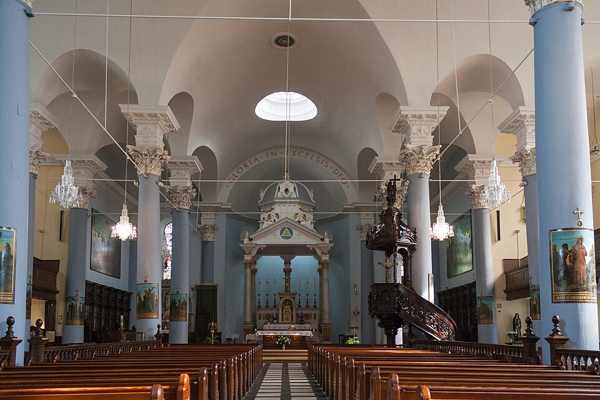
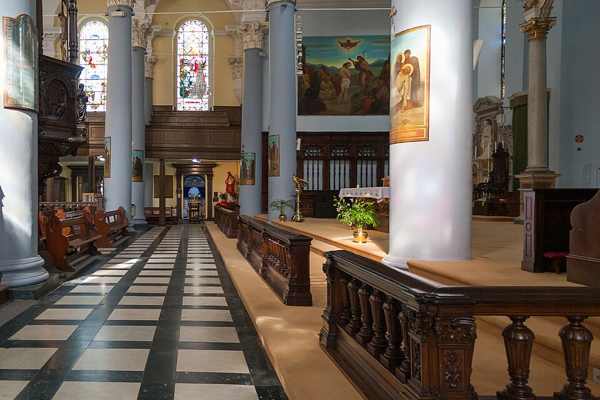
The building has continued to change as a place of worship. A1977 refurbishment included a new altar so Mass could be celebrated facing the congregation, reflecting the liturgical developments following the Second Vatican Council. Waterford Crystal contributed ten chandeliers, while later work included reflooring, changes to the sacristy and further interior and exterior refurbishment. These alterations show how a cathedral’s history continues after its original construction. An informed visit can therefore consider both Roberts’s building and the decisions made by later generations, noticing how function, decoration and maintenance have reshaped the experience of the interior. Allow the current parish use to determine the visit’s timing and pace, rather than expecting a separate tourist operation with museum-style daily admission. Source ↗