From research
Is this worth your time?
Choose it when you want a guided cultural history that treats familiar customs as something to investigate. The building’s intimate scale suits a carefully paced account rather than casual wandering. Allow the full tour time, leave room for questions, and choose another Waterford attraction if the subject or stairs would make this an uncomfortable visit.
Know before you book: The operator says the building is unsuitable for wheelchair users or visitors using mobility aids. It closes between 1pm and 2pm, and tours require a suitable available slot.
The story behind the visit
The story behind the place
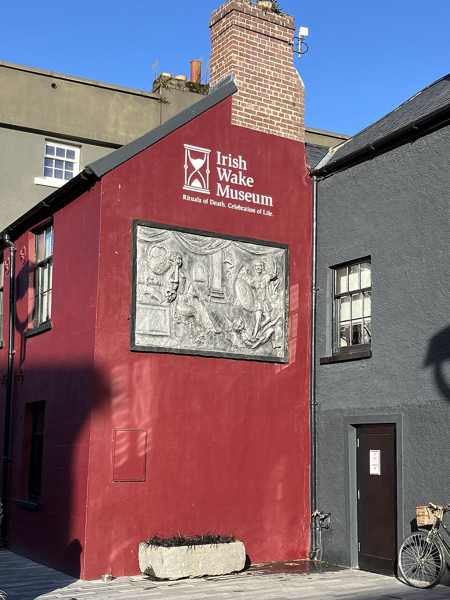
The museum occupies a former fifteenth-century almshouse and uses that setting to explore traditions from early Christian times into the twentieth century. Its emphasis is on the practices around a death: how a community gathered, how beliefs shaped rituals and how people expressed remembrance. Those practices changed across periods and religious traditions. The guided format makes it possible to place an object or custom within that wider history rather than presenting it as a timeless feature of all Irish life. Source ↗
The collection includes objects connected with funerals and commemoration, such as a fifteenth-century processional cross and an eighteenth-century silver memorial plaque. Their differences offer a way to think about the people and institutions involved in caring for the dead and supporting the living. The museum also connects its present admissions with a donation to the Waterford Hospice Movement. The visit therefore has a contemporary community relationship as well as a historical subject. Approach the displays with that human context in mind, and use the guide’s explanations to distinguish a documented practice from a broader superstition or tradition. Source ↗