Skip to content
TheLazyNick

heritage · Down

Bangor Abbey

Bangor Abbey is a working church on the site of a major early Irish monastery. Its surviving building combines a medieval tower, a later steeple and a nineteenth-century body, while the churchyard contains older memorials. The place is best approached as a layered religious site, with worship taking priority over sightseeing.

Add to planSaved trips & places

Saved on this browser. No account needed.

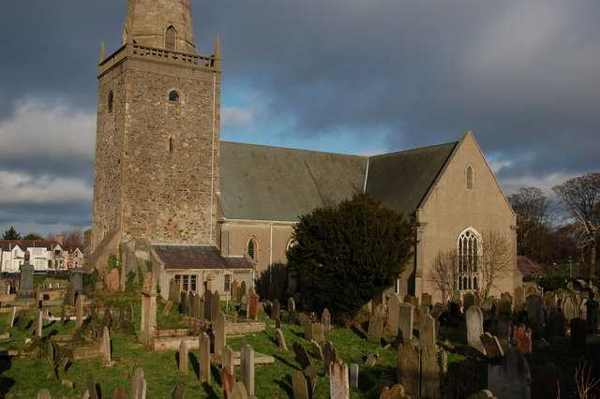
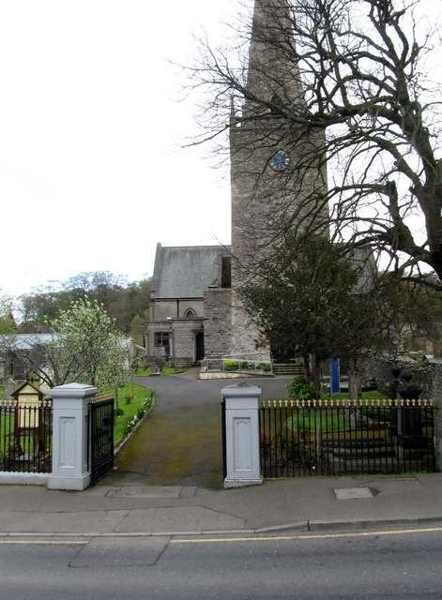
Entrance and tower at Bangor Abbey
Entrance and tower at Bangor Abbey. Resized for display. Photo: Eric Jones ↗ · CC BY-SA 2.0

From research

Is this worth your time?

Choose the abbey for Bangor’s monastic connections and the contrast between a famous early foundation and the much later building visible today. An exterior and churchyard visit can introduce the story, but contact the visitor information service about tours or interior access. Published service times are not a general daily sightseeing schedule.

Know before you book: A working church: do not assume unrestricted interior access outside services or arrangements.

Place highlights

What you will actually see

01

Tower and church

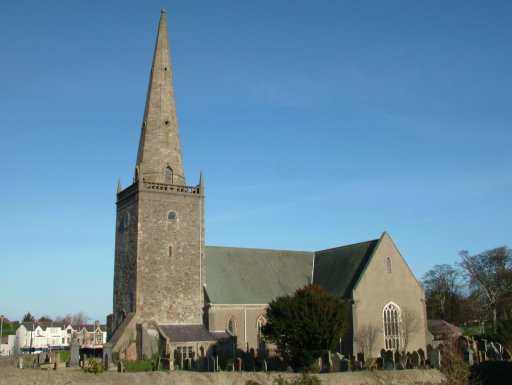
Compare the tower, steeple and main church rather than imagining the whole building dates from the early monastery. The tower is fifteenth-century, the octagonal steeple later, and much of the church nineteenth-century. These different elements show how religious use continued through rebuilding.

02

Malachy’s Wall

A surviving wall beside the old gate lodge is associated with Saint Malachy’s twelfth-century restoration. Look for it without entering closed areas. This modest fragment provides a tangible link with the medieval abbey which is easy to miss beside the larger church.

03

Churchyard memorials

The churchyard includes a memorial to John Edward Simpson, the local assistant surgeon who died on Titanic. Read memorials respectfully, remain on appropriate paths and avoid interrupting mourners or services. The graveyard is a place of remembrance as well as historical interest.

The story behind the visit

The story behind the place

Saint Comgall’s foundation made Bangor an important centre of learning and missionary activity. Columbanus and Gall are among the figures associated with its wider European connections. The Bangor Antiphonary, a celebrated collection of hymns, prayers and poems, is now kept in Milan, while early monastery artefacts can be seen at North Down Museum. Those objects help tell a story which the surviving church alone cannot fully illustrate. Source ↗

The abbey endured raids, decline and restoration before the building took its present form. Malachy’s work belongs to the twelfth century; the tower and later steeple add further stages, and the main body dates largely from the 1830s and 1840s. Reading these layers prevents the common mistake of looking at a later parish church and assuming it is the original monastic building. The current congregation is another continuation of the site’s religious life. Give that living use room, arranging an interior visit rather than treating worship as a sightseeing opportunity. Source ↗

Visitor information

Tickets, timing and access

Opening
Official listing gives Wednesday and Sunday services; contact for sightseeing access.Confirm with the operator ↗
Admission
No admission charge; donations for tours are encouraged.Confirm with the operator ↗
Booking
Arrange tours or interior access through the visitor information contact.Confirm with the operator ↗
Access
Respect worship and churchyard use; do not assume every doorway is open.Confirm with the operator ↗
Duration
Allow 30–45 minutes for an exterior and churchyard introduction.Confirm with the operator ↗
Seasonal
Services and special events can limit visitor access.Confirm with the operator ↗

Getting to the entrance

The abbey is on Newtownards Road, a short walk from central Bangor and Castle Park. Official visitor information ↗

Your questions, answered

Confirm current access and visitor arrangements with the operator.

Is this the original sixth-century building?

No. The visible church contains several much later building phases. Source ↗

Where are early monastery artefacts?

North Down Museum displays material from the monastery’s early period. Source ↗

Nearby options

Nearby places to explore

Explore other places in the area, then use live directions to plan your journey.

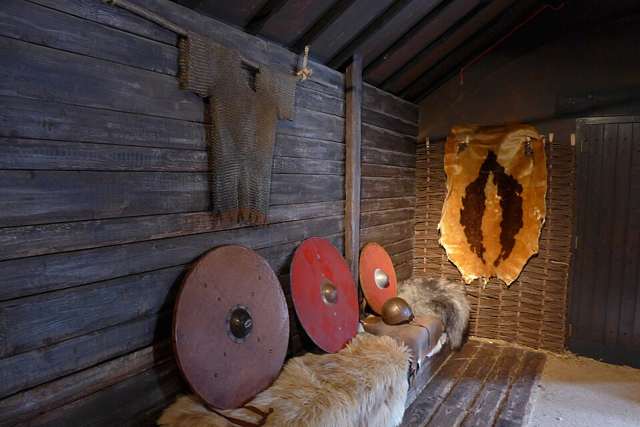
Viking-themed display at North Down Museum
Viking-themed display at North Down Museum. Source photograph: 12 May 2015 (according to Exif data). Appearance, displays and access may have changed. Photo: No machine-readable author provided. Notafly assumed (based on copyright claims). ↗ · CC BY-SA 3.0

heritage

North Down Museum

North Down Museum tells the history of Bangor and its surrounding area from a compact setting behind Bangor Castle. Its galleries occupy former service spaces of the castle complex, including laundry,…

Open place page →
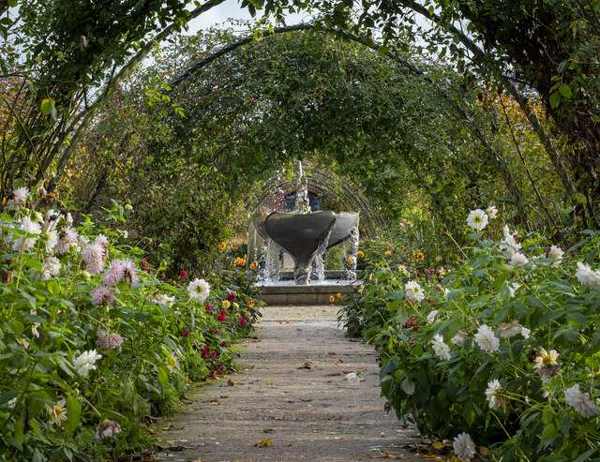
Planted archway and fountain in Bangor Castle Walled Garden
Planted archway and fountain in Bangor Castle Walled Garden. Resized for display. Photo: Rossographer ↗ · CC BY-SA 2.0

nature

Bangor Castle Walled Garden

Bangor Castle Walled Garden is a restored garden in Castle Park, with kitchen planting, herbs, topiary, flowers and sculpture within its walls. Designed for the Ward family in the 1840s, it opened as a public…

Open place page →
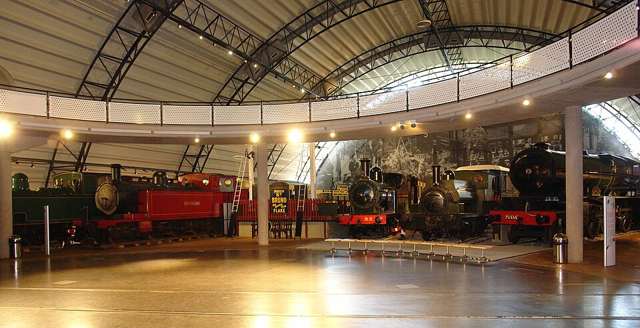
Railway Gallery at Ulster Transport Museum
Railway Gallery at Ulster Transport Museum. Source photograph: 2016-05-29 17:04:42. Appearance, displays and access may have changed. Photo: NearEMPTiness ↗ · CC BY-SA 4.0

heritage

Ulster Transport Museum

Ulster Transport Museum brings rail vehicles, transport design and local innovation together at Cultra. It is a separate visitor attraction from Ulster Folk Museum, with its own admission. The collection suits…

Open place page →
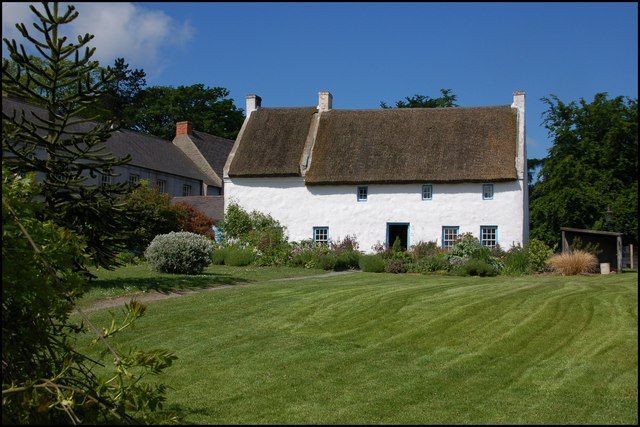
The reconstructed Old Rectory at the Ulster Folk Museum
The reconstructed Old Rectory at the Ulster Folk Museum. Credited source photograph; appearance and access may have changed. Resized from the original. Photo: Albert Bridge ↗ · CC BY-SA 2.0

attraction

Ulster Folk Museum

The Ulster Folk Museum is most rewarding when you treat its reconstructed streets and rural buildings as places to linger. Everyday objects make more sense when a demonstrator explains how they were used.

Open place page →
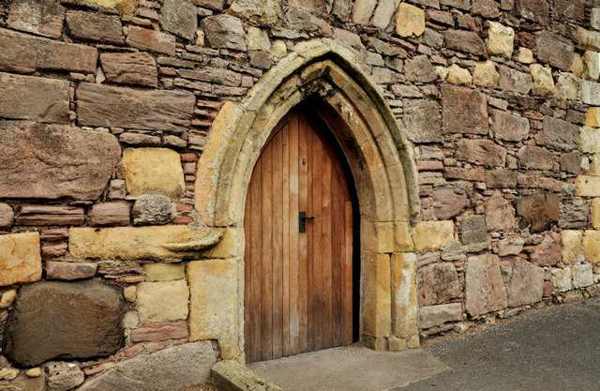
Pointed doorway at Holywood Priory
Pointed doorway at Holywood Priory. Resized for display. Photo: Albert Bridge ↗ · CC BY-SA 2.0

heritage

Holywood Priory Church

Holywood Priory is a ruined church and graveyard close to the town centre, where successive religious communities left their mark. The present ruins have medieval origins, with a later tower from the parish-…

Open place page →
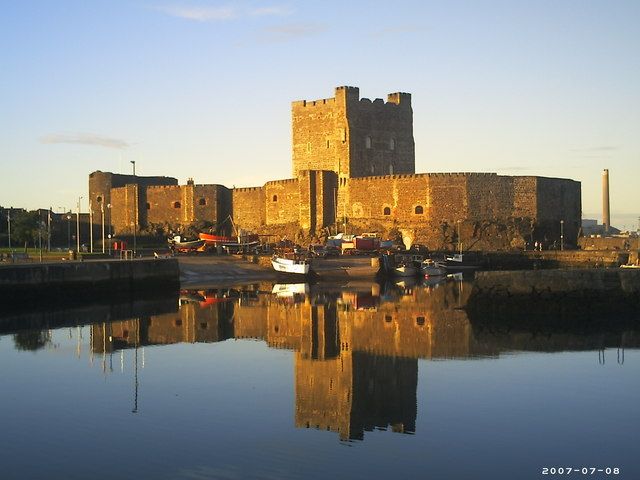
Carrickfergus Castle reflected in the harbour at sunset
Carrickfergus Castle reflected in the harbour at sunset. Credited source photograph; appearance and access may have changed. Resized from the original. Photo: Stewart ↗ · CC BY-SA 2.0

heritage

Carrickfergus Castle

Carrickfergus Castle has the advantage of a setting that still explains its purpose. The bulky stone walls sit against Belfast Lough, with the town immediately behind rather than a remote countryside approach.

Open place page →

External visitor reviews

Find the matching listing and reviews on Google Maps ↗

Part of a bigger journey

Location & access

Getting your bearings

A working church: do not assume unrestricted interior access outside services or arrangements.

54.65632, -5.67444 · Reference point; confirm the correct entrance and access. Map © OpenStreetMap contributors.

Orientation only: a verified public entrance is not established by this pin. Use the operator arrival information before travel.

Sources & place context

Browse more Ireland places →