Skip to content
TheLazyNick

heritage · Down

Holywood Priory Church

Holywood Priory is a ruined church and graveyard close to the town centre, where successive religious communities left their mark. The present ruins have medieval origins, with a later tower from the parish-church period. The graveyard opens daily, while entering the priory itself is by arrangement, making the distinction important when planning a short visit.

Add to planSaved trips & places

Saved on this browser. No account needed.

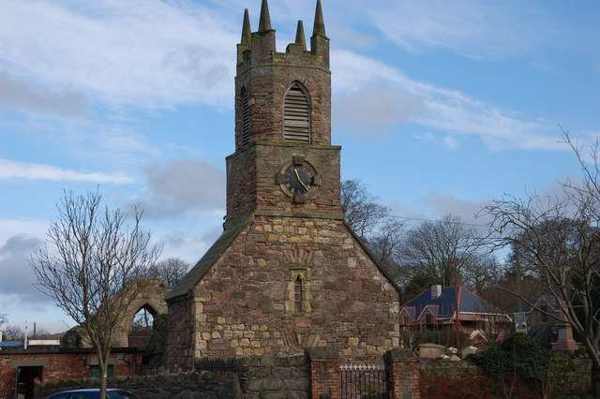
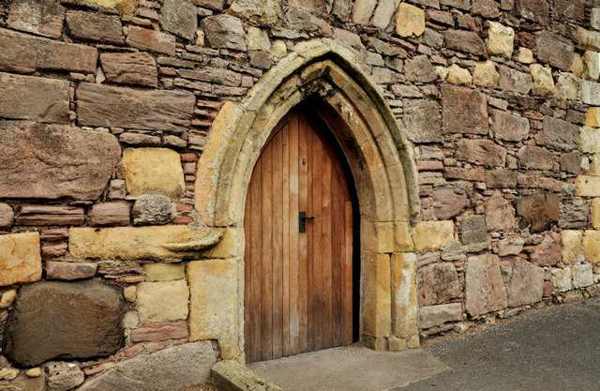
Pointed doorway at Holywood Priory
Pointed doorway at Holywood Priory. Resized for display. Photo: Albert Bridge ↗ · CC BY-SA 2.0

From research

Is this worth your time?

Choose the Old Priory for a compact introduction to Holywood’s religious and town history. The churchyard and exterior offer a worthwhile stop without assuming the ruins are unlocked. Arrange access if the interior matters to you, and remember that historic graves remain places of family remembrance as well as points of interest.

Know before you book: The graveyard is daily-access; the priory interior is by arrangement.

Place highlights

What you will actually see

01

Ruined church

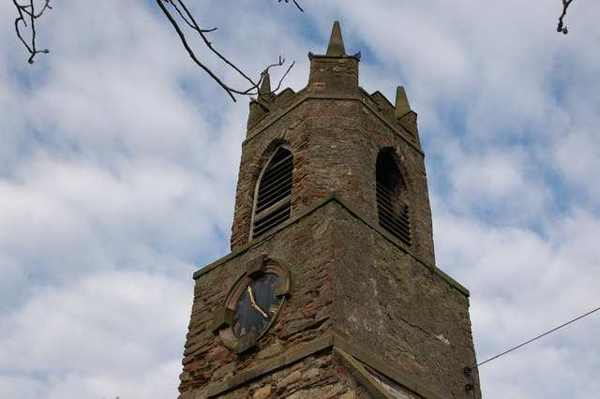
Look at the surviving walls from the permitted visitor areas, comparing the medieval fabric with the later tower. The building represents several periods of use rather than one untouched monastery. Do not enter a closed section simply because the surrounding graveyard is open.

02

Historic graveyard

The churchyard includes members of the Praeger and Dunville families and the mathematician Sir Joseph Larmor. Read inscriptions gently and avoid leaning on stones or stepping across graves. A small number of carefully observed memorials can give the visit more meaning than searching for every notable name.

03

Town setting

The priory stands near the junction of High Street and Bangor Road, close to Holywood’s older centre. After visiting, look at its relationship with the surrounding streets. It belongs to the town’s development rather than an isolated monastic landscape.

The story behind the visit

The story behind the place

The site is associated with a monastery founded by Saint Laiseran in the early seventh century, but the visible ruins belong to later history. An Augustinian abbey was established in the medieval period, and the church was subsequently refurbished for Franciscans. That succession of communities explains why one simple label cannot describe every phase. Look at the structure as a record of changing use, not as a complete survival from its earliest foundation. Source ↗

The priory was dissolved in 1541. Its lands later passed through the O’Neill family to James Hamilton, who helped lay out the town around it. The tower was added during the nineteenth-century parish-church period, adding another visible layer. The graveyard carries the story into the lives of local families, scientists and business people. A visit can therefore move from religious history to the history of Holywood itself within a small space. Keep that scale in mind: this is a quiet ruin and burial ground, best enjoyed slowly and respectfully rather than as an expansive indoor attraction. Source ↗

Visitor information

Tickets, timing and access

Opening
Graveyard open daily; priory access by arrangement.Confirm with the operator ↗
Admission
No admission charge is listed.Confirm with the operator ↗
Booking
Contact the visitor information service to arrange priory access.Confirm with the operator ↗
Access
Historic ruin and burial ground; follow gates and local restrictions.Confirm with the operator ↗
Duration
Allow about 30 minutes for the churchyard and exterior.Confirm with the operator ↗
Seasonal
Arranged access is not guaranteed by the graveyard’s daily opening.Confirm with the operator ↗

Getting to the entrance

The site is at High Street and Bangor Road, a short walk from Holywood’s centre. Official visitor information ↗

Your questions, answered

Confirm current access and visitor arrangements with the operator.

Can I enter the priory whenever the graveyard opens?

No. Priory access is by arrangement. Source ↗

Is the tower medieval?

The tower dates from the nineteenth-century parish-church period. Source ↗

Nearby options

Nearby places to explore

Explore other places in the area, then use live directions to plan your journey.

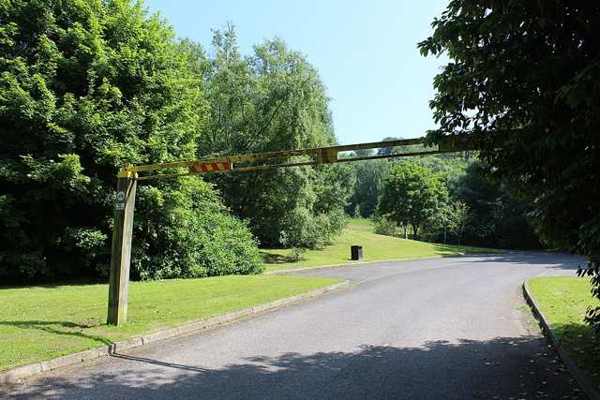
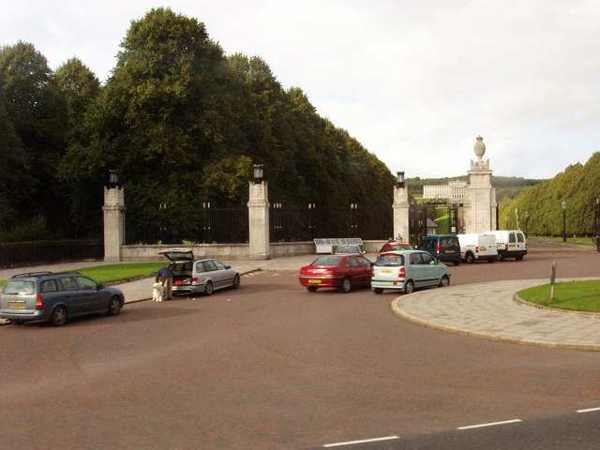
Entrance road and trees at Redburn Country Park
Entrance road and trees at Redburn Country Park. Resized for display. Photo: Ardfern ↗ · CC BY-SA 3.0

nature

Redburn Country Park

Redburn Country Park occupies a wooded hillside above Holywood, with paths climbing towards views over Belfast Lough and the south Antrim hills. Woodland, grassland and seasonal flowers give the park interest…

Open place page →
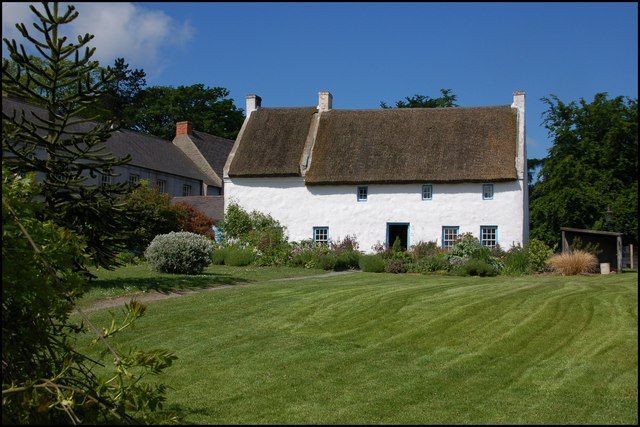
The reconstructed Old Rectory at the Ulster Folk Museum
The reconstructed Old Rectory at the Ulster Folk Museum. Credited source photograph; appearance and access may have changed. Resized from the original. Photo: Albert Bridge ↗ · CC BY-SA 2.0

attraction

Ulster Folk Museum

The Ulster Folk Museum is most rewarding when you treat its reconstructed streets and rural buildings as places to linger. Everyday objects make more sense when a demonstrator explains how they were used.

Open place page →
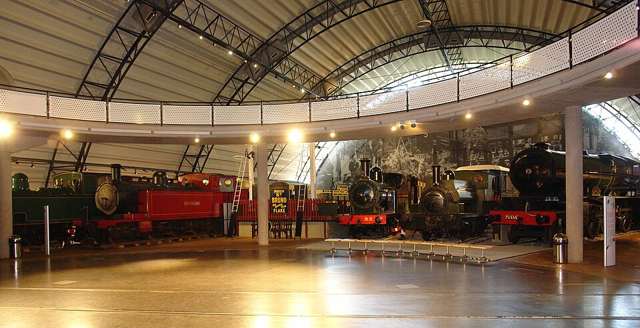
Railway Gallery at Ulster Transport Museum
Railway Gallery at Ulster Transport Museum. Source photograph: 2016-05-29 17:04:42. Appearance, displays and access may have changed. Photo: NearEMPTiness ↗ · CC BY-SA 4.0

heritage

Ulster Transport Museum

Ulster Transport Museum brings rail vehicles, transport design and local innovation together at Cultra. It is a separate visitor attraction from Ulster Folk Museum, with its own admission. The collection suits…

Open place page →
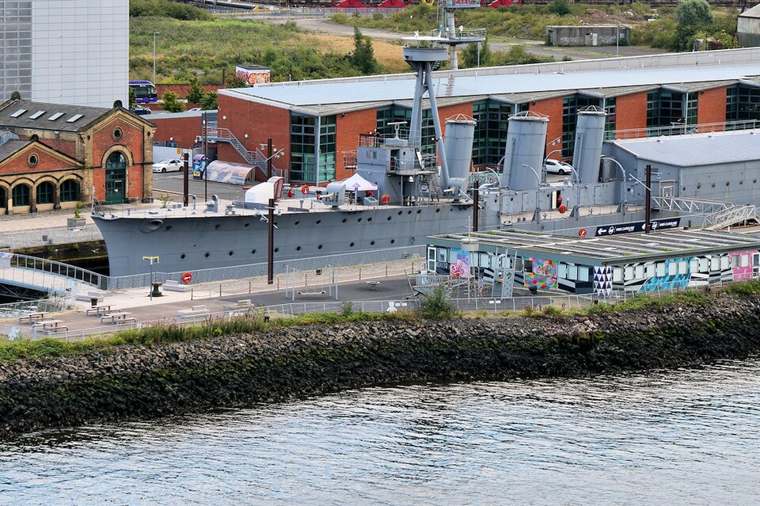
HMS Caroline at her Belfast berth.
HMS Caroline at her Belfast berth. Photo: David Dixon ↗ · CC BY-SA 2.0

heritage

HMS Caroline

HMS Caroline brings a First World War cruiser into Belfast’s maritime story. The floating museum preserves the character of a working ship while interpreting the people who served aboard and the Battle of…

Open place page →
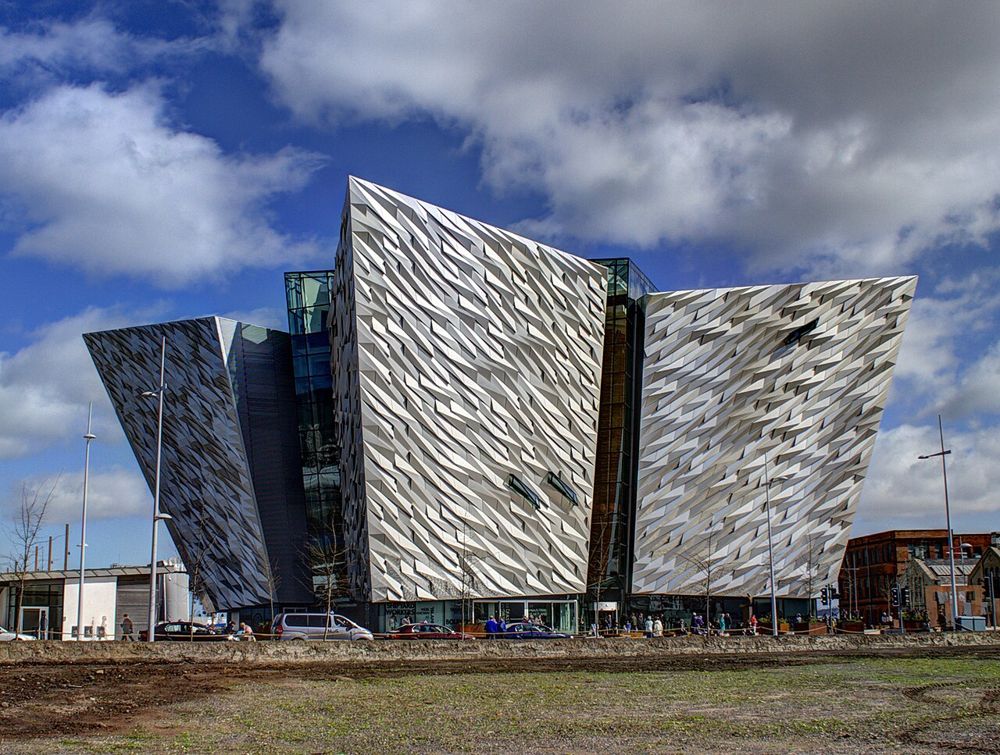
The angular Titanic Belfast building from the front
The angular Titanic Belfast building from the front. Credited source photograph; appearance and access may have changed. Resized from the original. Photo: Soerfm ↗ · CC BY-SA 4.0

attraction

Titanic Belfast

Titanic Belfast makes most sense when the ship is put back into the city that built it. The angular galleries stand beside the original slipways, so the industrial landscape continues beyond the ticket…

Open place page →

External visitor reviews

Find the matching listing and reviews on Google Maps ↗

Part of a bigger journey

Location & access

Getting your bearings

The graveyard is daily-access; the priory interior is by arrangement.

54.64315, -5.83130 · Reference point; confirm the correct entrance and access. Map © OpenStreetMap contributors.

Orientation only: a verified public entrance is not established by this pin. Use the operator arrival information before travel.

Sources & place context

Browse more Ireland places →