Round tower
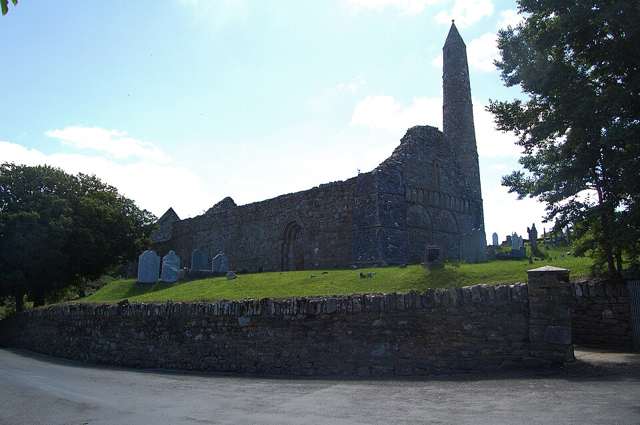
View the well-preserved twelfth-century tower from ground level. Its height and proportions make it the most prominent feature, but the wider complex is needed to understand its setting.

heritage · Waterford
Ardmore’s round tower and ruined cathedral stand above the village in a compact ecclesiastical site associated with St Declan. The tower provides the skyline, while the cathedral’s carvings and ogham stones reward closer attention. This is a ground-level heritage visit to an outdoor religious site, not a climb up a visitor tower.
From research
Choose it for medieval architecture, early Christian associations and a strong sense of place above Ardmore Bay. Take time to examine the cathedral as well as the tower. Keep a cemetery visit respectful and treat any cliff walk as a separate outing with its own route and weather decisions.
Know before you book: Outdoor religious and burial-ground setting. Plan to view the tower from ground level.
Place highlights
View the well-preserved twelfth-century tower from ground level. Its height and proportions make it the most prominent feature, but the wider complex is needed to understand its setting.
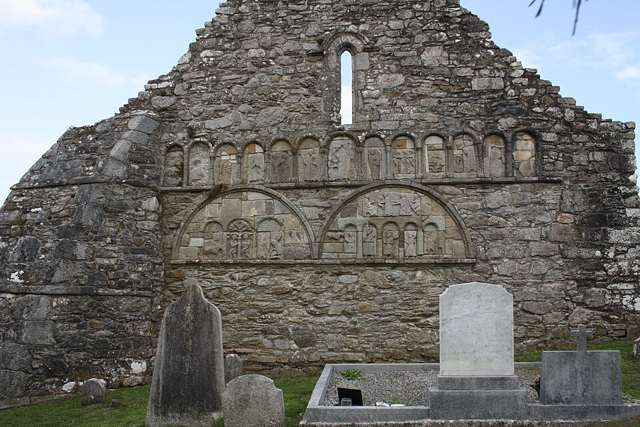
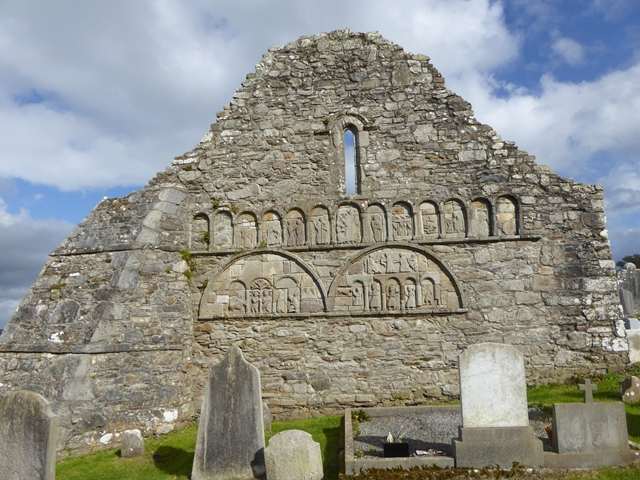
Look for the Romanesque carvings and biblical scenes on the cathedral fabric. Details deserve patient observation rather than contact with fragile stone.
The cathedral’s ogham stones and nearby small oratory add other layers to the visit. St Declan’s association belongs to the site’s religious history and tradition, not a claim that every surviving building dates from his lifetime. Look at the tower and cathedral together before concentrating on details, keeping clear of graves and fragile stonework.
The story behind the visit
The site is associated with St Declan and an early monastery, while the surviving stone buildings belong to later periods. Visit Waterford identifies the round tower as twelfth century, with medieval cathedral remains and a small oratory traditionally connected with the saint. Keeping foundation tradition separate from the date of surviving masonry helps visitors avoid compressing many centuries into a single story. Source ↗
The cathedral is notable for Romanesque sculpture, including biblical subjects, and ogham stones displayed within the ruins. These details offer a different scale of interest from the tower’s silhouette. Look closely without touching or moving stonework, and remember that the surrounding ground is also a burial place. The hilltop setting makes the site easy to combine with Ardmore village, but the separate coastal walk requires its own time, footwear and conditions check. A ground-level circuit is enough to appreciate the relationship between the monuments; gaining height inside the tower is neither necessary nor part of the verified visitor offer. Source ↗
Visitor information
The monuments are on the hill above Ardmore village. Use the signed public approach and park legally without obstructing residents or burial-ground access. Official visitor information ↗
Confirm current access and visitor arrangements with the operator.
Plan to view the tower from ground level. Source ↗
No. The heritage site and coastal walk are separate experiences with different time and safety requirements. Source ↗
Nearby options
Explore other places in the area, then use live directions to plan your journey.
heritage
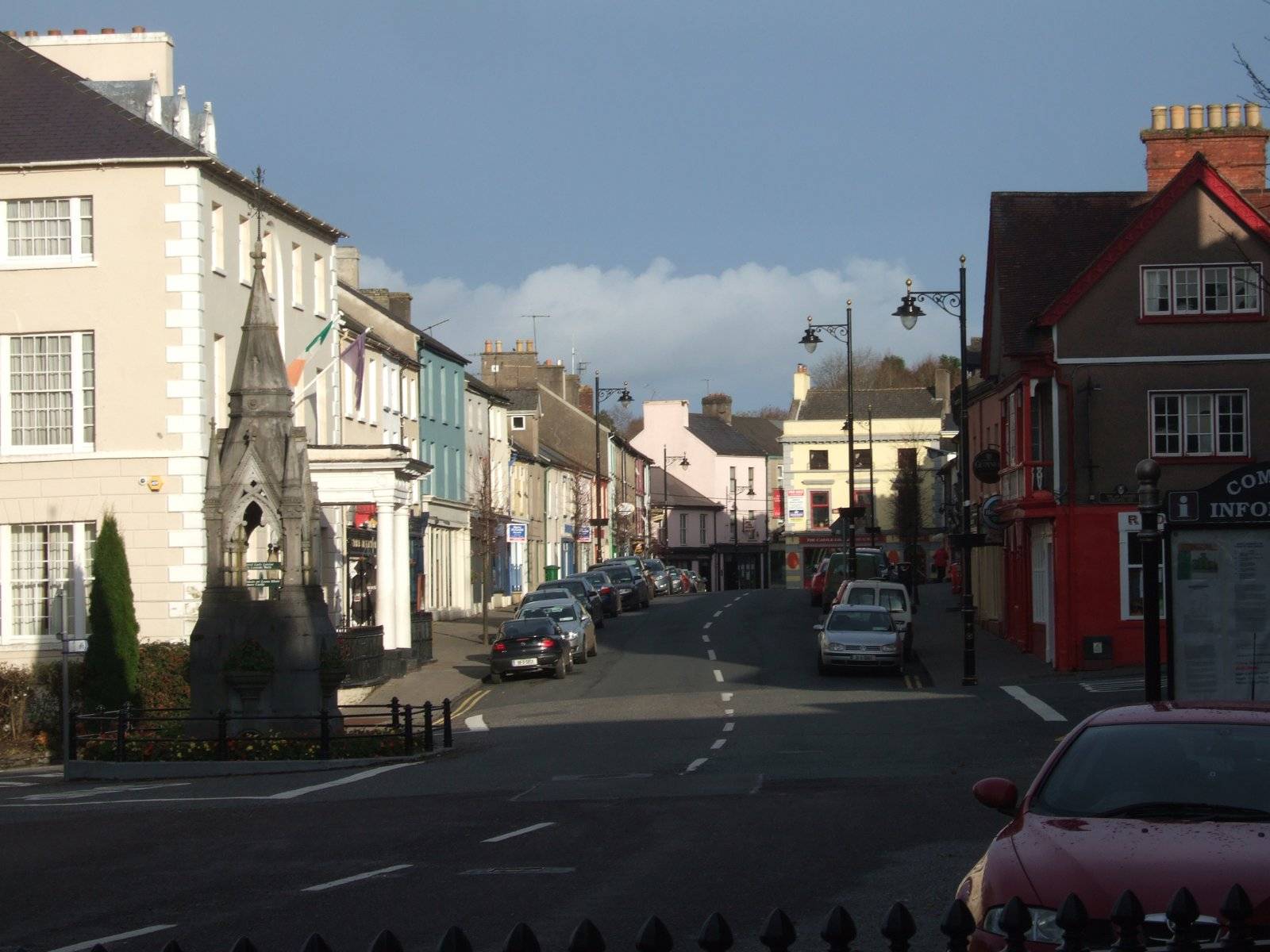
Lismore works best as a heritage town visit with one deliberately chosen indoor or garden experience. Its Blackwater setting and small streets can fill a quiet walk, while the heritage centre and castle…
Open place page →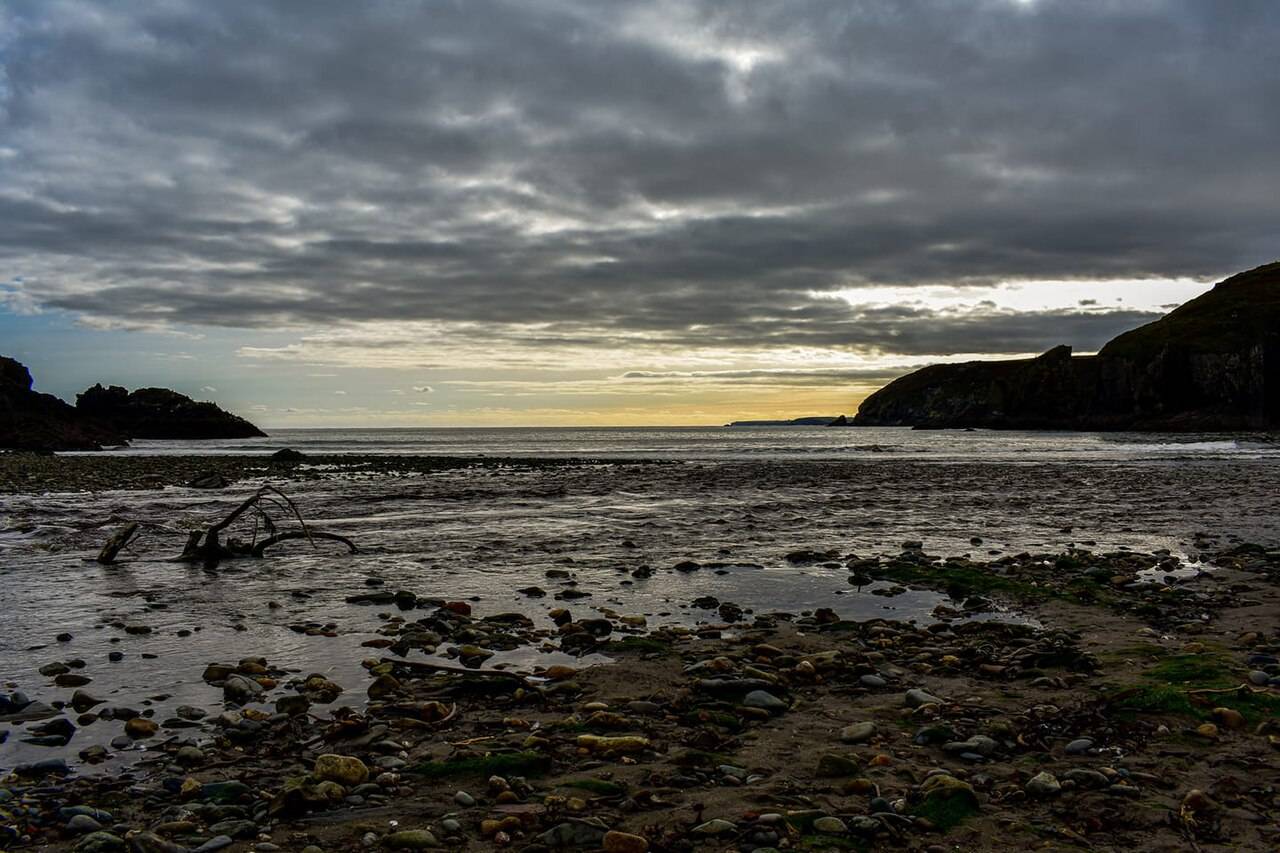
coast
Stradbally Cove is a quieter pause near the western end of the Copper Coast, with a small-scale coastal setting that invites looking rather than collecting attractions.
Open place page →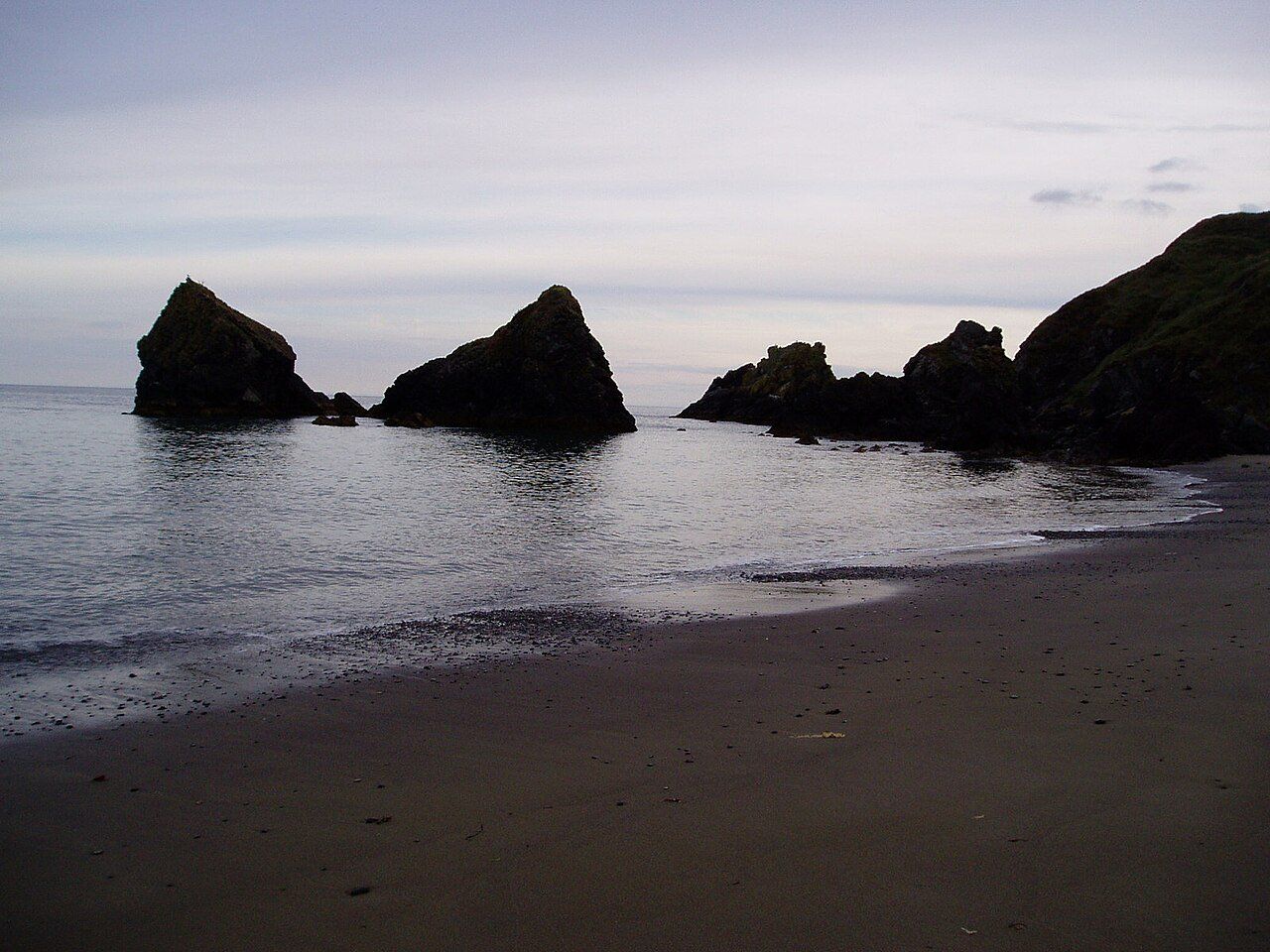
attraction
Ballydowane is a quieter Copper Coast beach stop, best approached as a chance to observe the cove and its geology within the shore that is actually accessible.
Open place page →Location & access
Outdoor religious and burial-ground setting. Plan to view the tower from ground level.
51.94869, -7.72604 · Reference point; confirm the correct entrance and access. Map © OpenStreetMap contributors.
Orientation only: a verified public entrance is not established by this pin. Use the operator arrival information before travel.
