From research
Is this worth your time?
Choose it for an encounter with work that may ask questions rather than deliver a simple historical overview. Start with the gallery introduction and give an unfamiliar installation or film time to develop. Its central location makes a short visit practical, while a more sustained exhibition can justify a longer pause in your Dublin day.
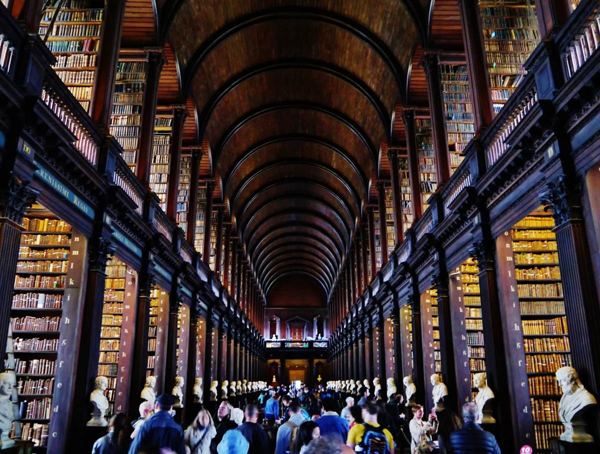
Know before you book: Gallery admission does not include the Book of Kells, the Old Library or restricted university interiors. Lift access is through the Arts Building.
The story behind the visit
The story behind the place
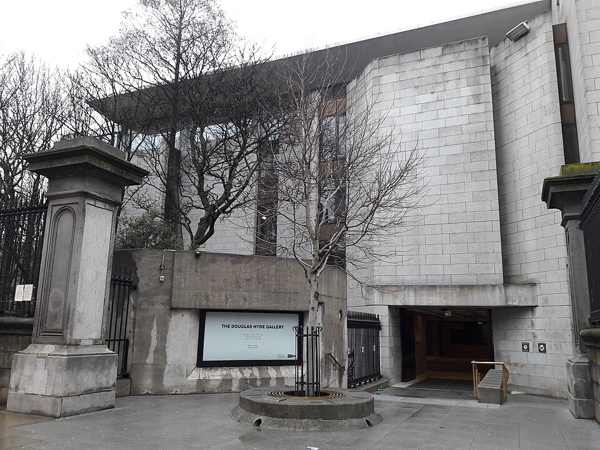
The gallery opened in March 1978 through a partnership between Trinity College Dublin and the Arts Council. Its institutional history identifies it as Ireland’s first publicly funded space dedicated to contemporary art and its first university gallery. It takes its name from Douglas Hyde, the first President of Ireland and a Trinity graduate. The university connection helps explain its position at a meeting point between academic life and the public city outside Nassau Street. Source ↗
That origin does not make the gallery a museum of Douglas Hyde’s life. Its purpose is to support and present contemporary artists, including Irish and international practitioners. The changing programme is central to the visit: architecture, objects, moving images and interpretation can work together in ways that differ from one exhibition to the next. Approach the rooms with a few open questions about materials, scale and point of view. You need not recognise an artist’s name beforehand to make a thoughtful visit. Source ↗