Lanyon frontage
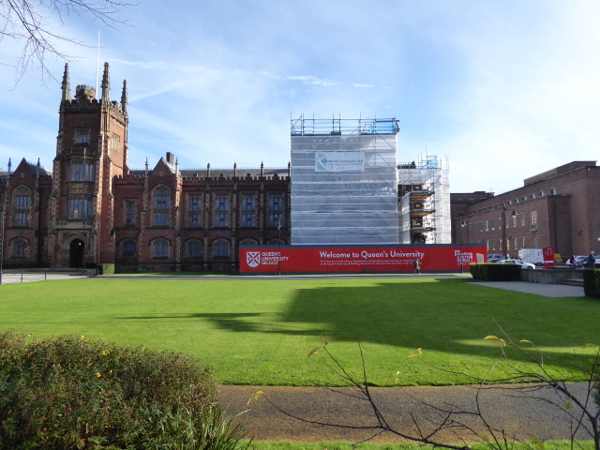
The main building’s tower, windows and decorative stonework reward a slower look from University Road. Keep entrances clear for students and staff, and respect any conservation or security barriers around the building.

heritage · Antrim
Queen’s University Belfast has a distinctive historic campus centred on the Lanyon Building, whose Gothic-style frontage is one of the city’s recognisable landmarks. The university welcomes visitors to its main site, but it remains a working place of study. This guide focuses on the public campus setting and exterior architecture rather than unrestricted access to university rooms.
From research
Choose Queen’s for an architectural walk in south Belfast, especially when you want to connect the city with its academic history. Start with the Lanyon frontage and public grounds, then use the university’s current visitor information for any tour or gallery. Do not assume that a campus welcome opens classrooms, libraries or ceremonial rooms on demand.
Know before you book: A working campus: public grounds and building exteriors do not imply open access to every interior.
Place highlights
The main building’s tower, windows and decorative stonework reward a slower look from University Road. Keep entrances clear for students and staff, and respect any conservation or security barriers around the building.
Walk the publicly accessible parts of the main site using the campus map. The setting combines historic architecture with the movement of a modern university. Follow signs rather than treating every courtyard or doorway as a public route, particularly during teaching or events.
If a gallery, organised tour or specific room is important, check its own arrangements. University information describes several historic interiors, but a description of a space is not a guarantee of casual access. A satisfying exterior visit does not depend on entering them all.
The story behind the visit
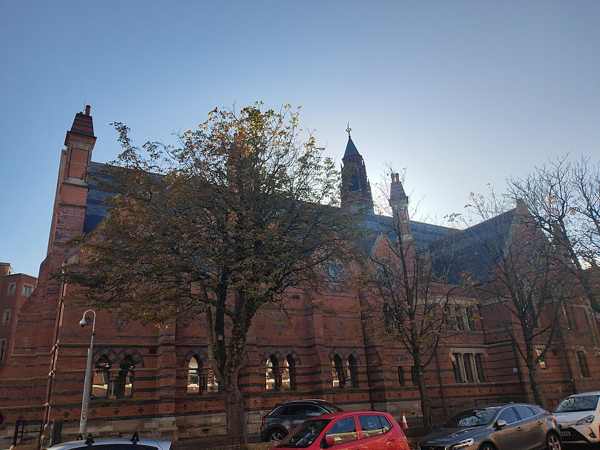
Queen’s was established in 1845, and the Lanyon Building opened in 1849 as part of Queen’s College Belfast. Its architect, Charles Lanyon, gave the building the name by which it is now known. The frontage has become a symbol of the university, but the campus continued to expand around it. Looking at the historic centre alongside later buildings gives a more accurate impression than imagining an institution unchanged since the nineteenth century. Source ↗
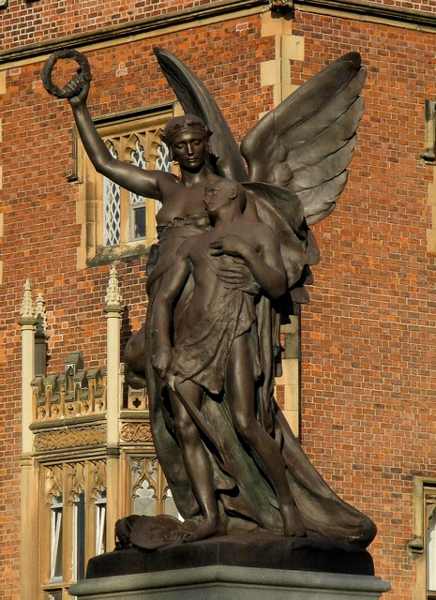
The decorative stonework and windows have also required conservation, reminding visitors that a familiar landmark survives through active care. The university’s heritage material provides stories and architectural detail, while its campus map explains how the place functions today. Use both approaches: appreciate the historic design and make room for everyday academic life. A visitor can enjoy the exterior and public grounds without turning study spaces into attractions. If you want a deeper visit, choose a currently advertised tour or gallery and confirm its access separately, leaving enough time to move through the campus without rushing. Source ↗
Visitor information
The Lanyon Building is on University Road, within walking distance of Botanic railway station; use the official campus map. Official visitor information ↗
Confirm current access and visitor arrangements with the operator.
No. Classrooms, libraries and ceremonial rooms have their own access rules. Source ↗
It opened in 1849, after the college was established in 1845. Source ↗
Nearby options
Explore other places in the area, then use live directions to plan your journey.
attraction
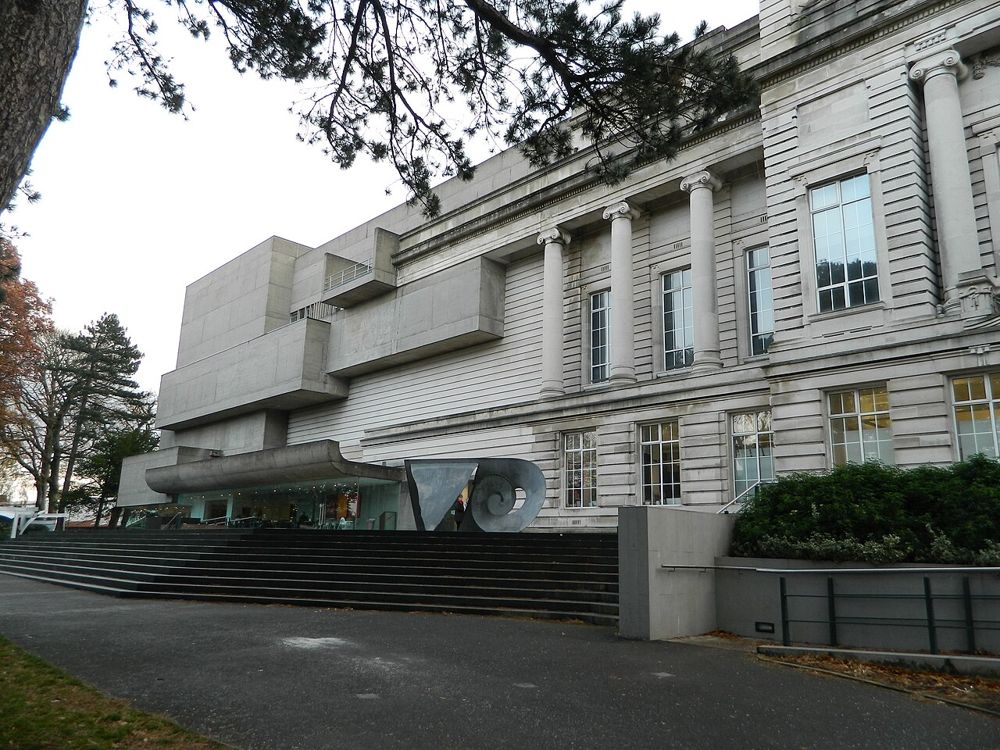
Ulster Museum is a good place to slow a Belfast day down. Its mix of art, natural history and human history means you can follow one interest without committing to every gallery.
Open place page →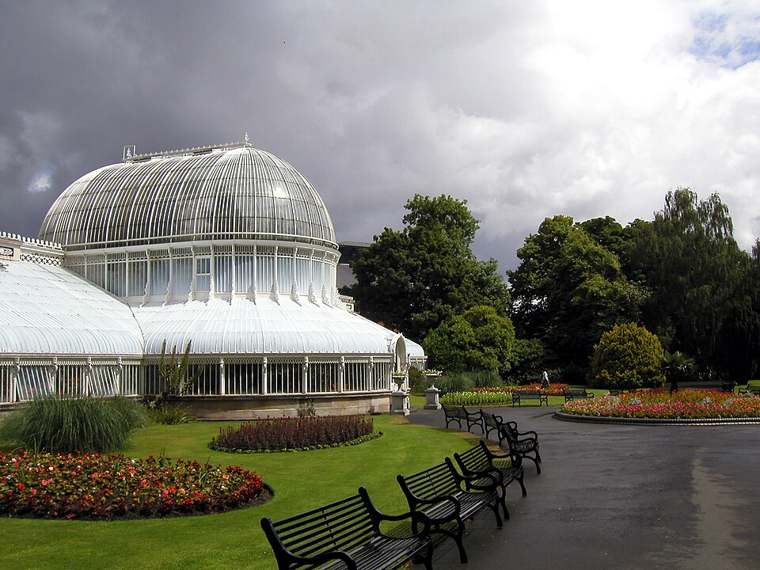
nature
Botanic Gardens brings Belfast’s Victorian plant collecting and glasshouse architecture into an everyday public park. The curved iron-and-glass Palm House rewards a close look, while the Tropical Ravine offers…
Open place page →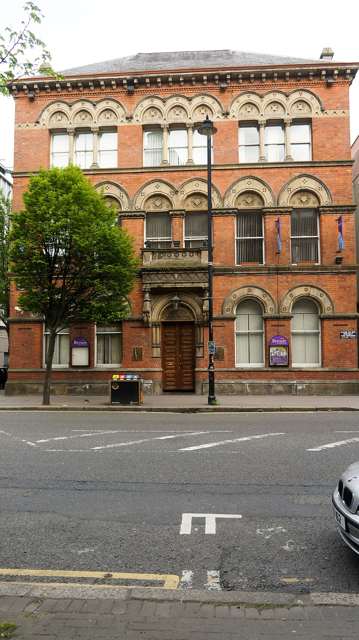
heritage
The Royal Ulster Rifles Collection is currently displayed at UNTOLD’s Belfast museum on Bedford Street. It is the present visitor route for material associated with the former Royal Ulster Rifles Museum, so…
Open place page →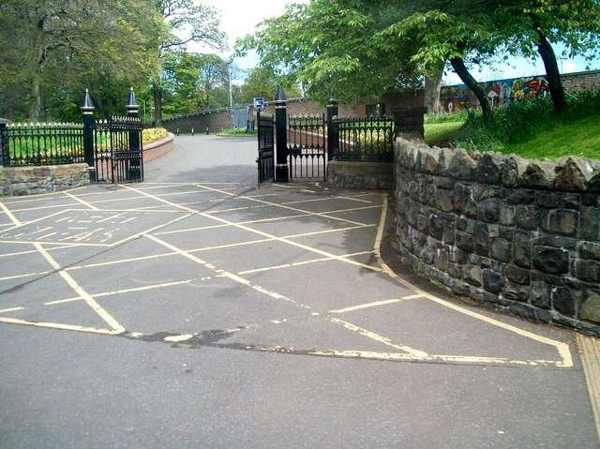
nature
Ormeau Park is Belfast’s oldest municipal park, opened to the public in 1871. Paths, trees, planted areas and open recreation space occupy a former Donegall estate beside the city’s southern streets. It is a…
Open place page →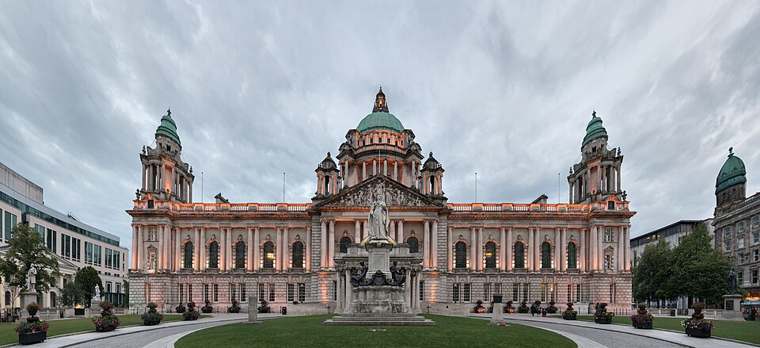
heritage
City Hall gives Belfast’s civic history an architectural setting: a Portland-stone landmark completed in 1906, with marble interiors and portraits encountered on its guided route. Choose between a tour of the…
Open place page →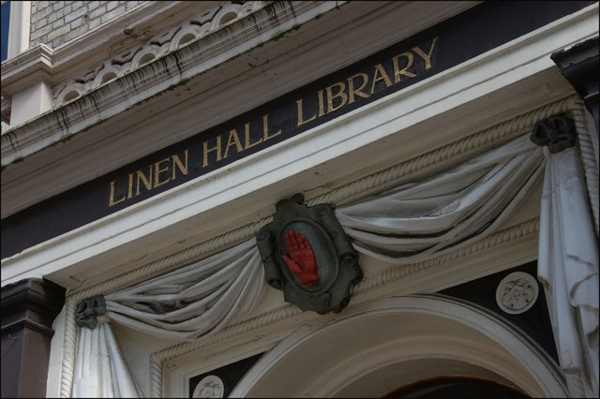
heritage
The Linen Hall is Belfast’s oldest library, founded in 1788 and now housed in a former linen warehouse on Donegall Square North. It remains a living library rather than a preserved historic room. Visitors can…
Open place page →Location & access
A working campus: public grounds and building exteriors do not imply open access to every interior.
54.58449, -5.93645 · Reference point; confirm the correct entrance and access. Map © OpenStreetMap contributors.
Orientation only: a verified public entrance is not established by this pin. Use the operator arrival information before travel.