From research
Is this worth your time?
Choose Loughrea Cathedral if Irish art and craft interest you as much as architecture. Its strongest appeal lies in the relationship between the interior’s materials and the artists who worked there. A short, attentive visit can reveal details that are easy to overlook, particularly if you use the audio interpretation rather than treating the building as a quick photo stop.
Know before you book: Parish-office hours are not a cathedral sightseeing timetable. Confirm audio-guide availability separately and keep any diocesan museum visit outside this cathedral-only plan.
The story behind the visit
The story behind the place
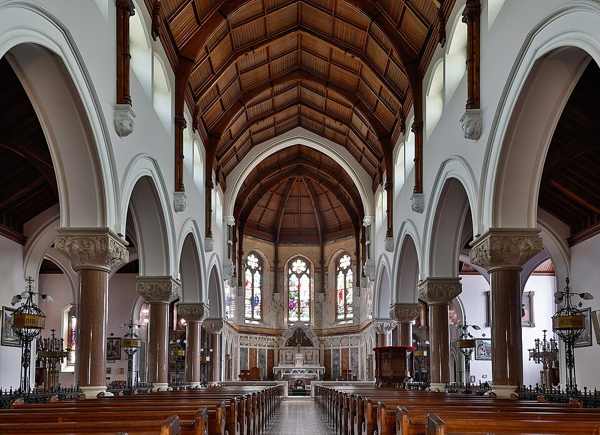
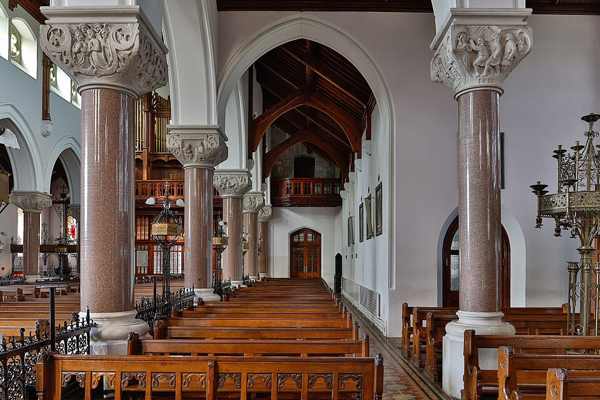
St Brendan’s Catholic Cathedral was designed by William Byrne and completed in 1902, following the laying of its foundation stone in 1897. Its exterior belongs to a particular building campaign, while the interior’s decoration includes later contributions. The resulting ensemble is especially associated with the Celtic Revival and Arts and Crafts traditions, bringing craftsmanship and religious imagery together in a working cathedral rather than a gallery assembled independently of worship. Source ↗
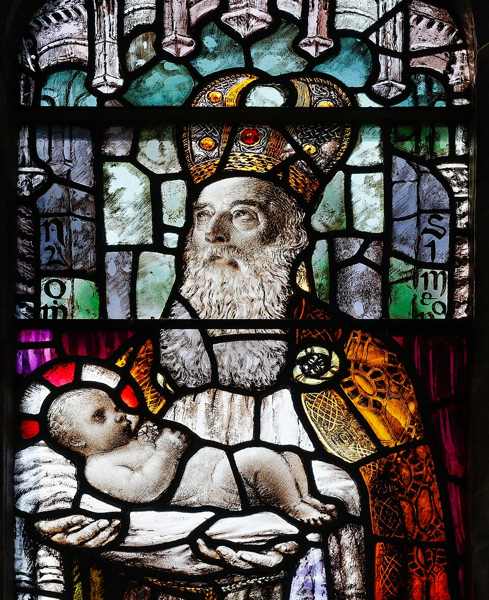
The stained glass illustrates this continuing development. An Túr Gloine’s work and Michael Healy’s windows made between 1936 and 1940 show how the artistic programme extended beyond the cathedral’s initial construction. Sculpture and metalwork supply further evidence of collaboration across materials, with named artists contributing distinct parts of a shared setting. Understanding those relationships makes the visit more rewarding than looking for one isolated masterpiece. The cathedral remains a parish and diocesan church, so the art is encountered within an active religious space. Follow current service arrangements, use the audio tour when available and allow the building’s present purpose to shape the pace and route of sightseeing. Source ↗