Skip to content
TheLazyNick

nature · Antrim

Lagan Valley Regional Park

Lagan Valley Regional Park links Belfast and Lisburn through a corridor of riverbank, towpath, woodland and parkland. Its backbone is the River Lagan and the former navigation, with an approximately eleven-mile off-road towpath. This guide is for choosing a manageable riverside section, rather than treating the whole regional park as one enclosed attraction.

Add to planSaved trips & places

Saved on this browser. No account needed.

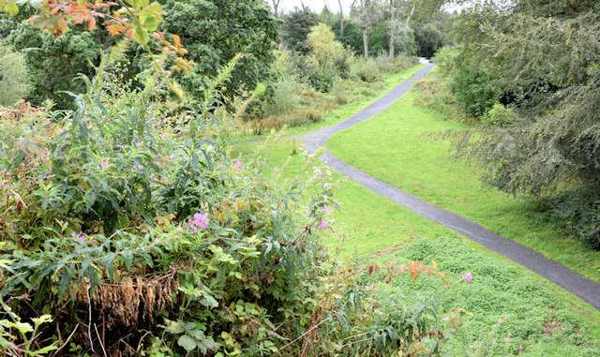
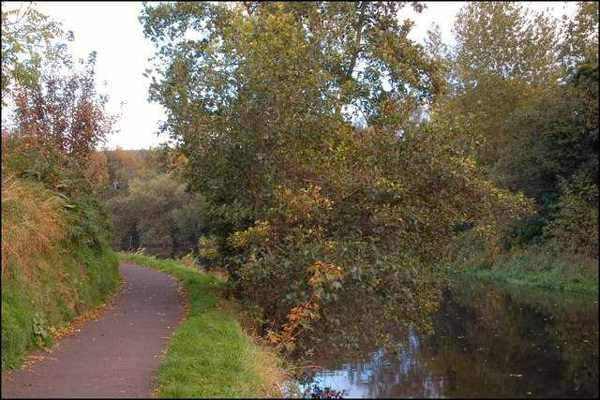
Lagan towpath beside the water near Lisburn
Lagan towpath beside the water near Lisburn. Resized for display. Photo: Albert Bridge ↗ · CC BY-SA 2.0

From research

Is this worth your time?

Choose the Lagan Valley when you want a flexible river walk close to the cities, with scope to turn back whenever the group needs. Select a starting point and distance in advance. Nearby forests, gardens and heritage sites may have separate gates or arrangements, and the regional designation does not make every parcel of land publicly accessible.

Know before you book: A broad landscape corridor, not a single gated park or an all-inclusive attraction ticket.

Place highlights

What you will actually see

01

River and towpath

The level towpath provides the clearest thread through the valley. Walk a short out-and-back section if you do not have transport at the other end. Keep left where directed, leave space for other users and watch for cyclists at narrow points or bends.

02

Navigation heritage

Locks and other remains of the Lagan Navigation give the river corridor a human history alongside its wildlife. Look at how the waterway and its working structures fit the valley, without climbing barriers or assuming that old navigation features are safe places to enter the water.

03

Habitats and parkland

The regional park includes countryside, nature reserves and ornamental parkland. These different settings make it possible to vary a walk, but check the access arrangements for each addition. A short riverside visit is complete in itself and need not include every nearby attraction.

The story behind the visit

The story behind the place

Established in 1967, Lagan Valley was Northern Ireland’s first regional park. Its unusual setting lies between two population centres rather than far from them. The river and canal form a natural corridor through a landscape shaped by settlement, farming, designed parkland and industry. Walking beside the water makes these layers easier to notice: a lock or bridge can interrupt a seemingly natural scene and reveal the work once carried along the valley. Source ↗

The old navigation and linen industry are part of that history, while older monuments survive elsewhere in the wider park. They need not all be folded into one outing. Choose a length of towpath, read the route information and allow time to observe the river itself. Shared use is central here: runners, cyclists, families and dog walkers use the same linear space. A considerate pace and clear passage at narrow points help preserve the quiet that draws people to the valley. Any signed diversion or closure should take priority over an old map. Source ↗

Visitor information

Tickets, timing and access

Opening
Outdoor towpath; check local closures and any separately gated sites.Confirm with the operator ↗
Admission
No single regional-park admission ticket.Confirm with the operator ↗
Booking
Ordinary towpath walks need no timed booking.Confirm with the operator ↗
Access
Shared, mostly level towpath; individual access points and side routes vary.Confirm with the operator ↗
Duration
Allow 60–90 minutes for a chosen short section, not the full corridor.Confirm with the operator ↗
Seasonal
Flooding, maintenance or poor weather can alter routes.Confirm with the operator ↗

Getting to the entrance

Choose an established access such as Lockview Road or the Lock Keeper’s area; plan how to return before setting out. Official visitor information ↗

Your questions, answered

Confirm current access and visitor arrangements with the operator.

Must I walk the entire towpath?

No. A short out-and-back section is a practical way to visit. Source ↗

Does this include every nearby garden?

No. Separate sites keep their own access and opening arrangements. Source ↗

Nearby options

Nearby places to explore

Explore other places in the area, then use live directions to plan your journey.

Paths through Belvoir Park Forest
Paths through Belvoir Park Forest. Resized for display. Photo: Albert Bridge ↗ · CC BY-SA 2.0

nature

Belvoir Park Forest

Belvoir Park Forest is a working forest within Belfast, with waymarked walks, varied trees and historic remains beside the River Lagan. Forest Service describes a 75-hectare site opened in 1961, with older…

Open place page →
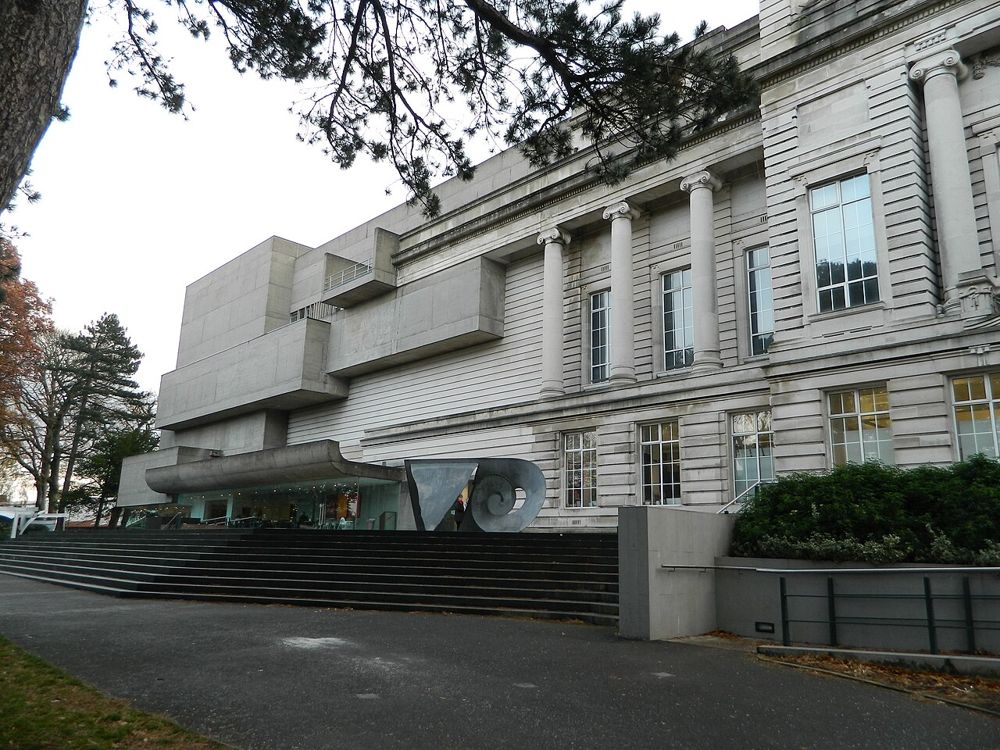
Exterior of the Ulster Museum
Exterior of the Ulster Museum. Credited source photograph; appearance and access may have changed. Resized from the original. Photo: Bazonka ↗ · CC BY-SA 3.0

attraction

Ulster Museum

Ulster Museum is a good place to slow a Belfast day down. Its mix of art, natural history and human history means you can follow one interest without committing to every gallery.

Open place page →
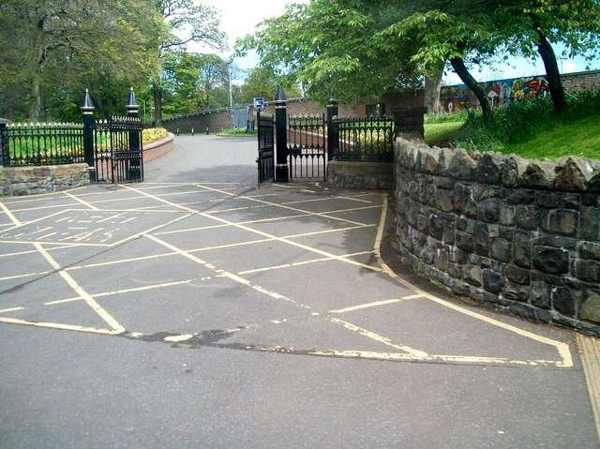
Entrance to Ormeau Park from Ormeau Road
Entrance to Ormeau Park from Ormeau Road. Resized for display. Photo: Eric Jones ↗ · CC BY-SA 2.0

nature

Ormeau Park

Ormeau Park is Belfast’s oldest municipal park, opened to the public in 1871. Paths, trees, planted areas and open recreation space occupy a former Donegall estate beside the city’s southern streets. It is a…

Open place page →

External visitor reviews

Find the matching listing and reviews on Google Maps ↗

Part of a bigger journey

Location & access

Getting your bearings

A broad landscape corridor, not a single gated park or an all-inclusive attraction ticket.

54.55358, -5.94440 · Reference point; confirm the correct entrance and access. Map © OpenStreetMap contributors.

Orientation only: a verified public entrance is not established by this pin. Use the operator arrival information before travel.

Sources & place context

Browse more Ireland places →