From research
Is this worth your time?
Choose the park for a manageable outdoor break or a visit planned around a specific facility. If cycling, a match or a training session is the purpose, confirm that activity separately before travelling. For an independent walk, leave room for regular users and enjoy the relationship between open grounds, paths and the park’s commemorative name.
Know before you book: Public park entry does not reserve the velodrome, pitches or courts; follow current entrance and activity signs.
The story behind the visit
The story behind the place
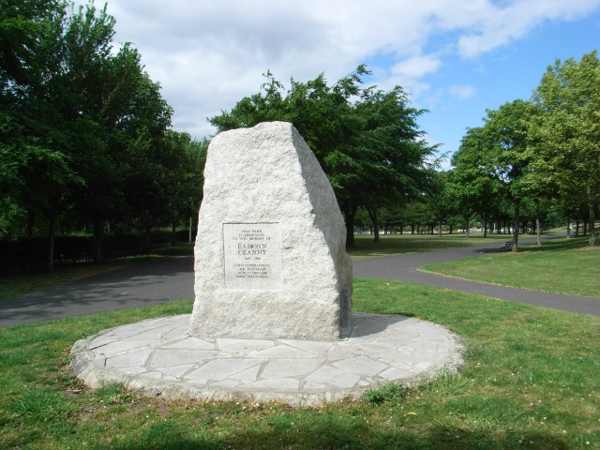
The park is named for Eamonn Ceannt, one of the executed leaders of the 1916 Rising. That commemorative identity sits within a place now used for ordinary recreation, connecting a national historical name with the everyday life of a Dublin neighbourhood. The name provides context, but it does not mean the grounds contain a dedicated museum or a complete interpretation of the Rising. Source ↗
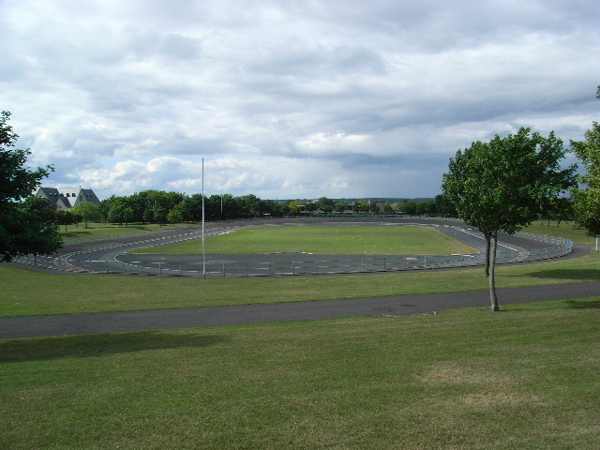
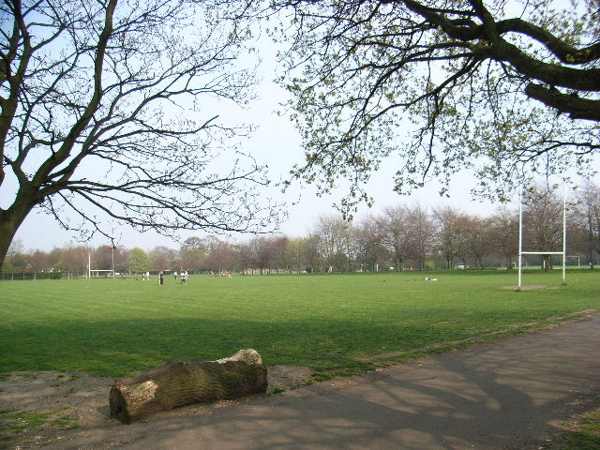
The present park brings together several forms of active use, including pitches, courts, a running track and Dublin City’s velodrome. Those facilities explain why the landscape may feel busier and more purposeful than a formal garden. Let that character guide the visit: use the paths for walking, watch from allowed positions and keep clear of training or games. A particular activity needs its own confirmation, while the broader park can still provide a simple outdoor pause. Current gate notices and maintenance signs should determine the actual entrance, especially where older notices describe a short works period. There is no need to invent an interior attraction or promise a sporting session for the park itself to be useful. Source ↗