The moat and enclosure
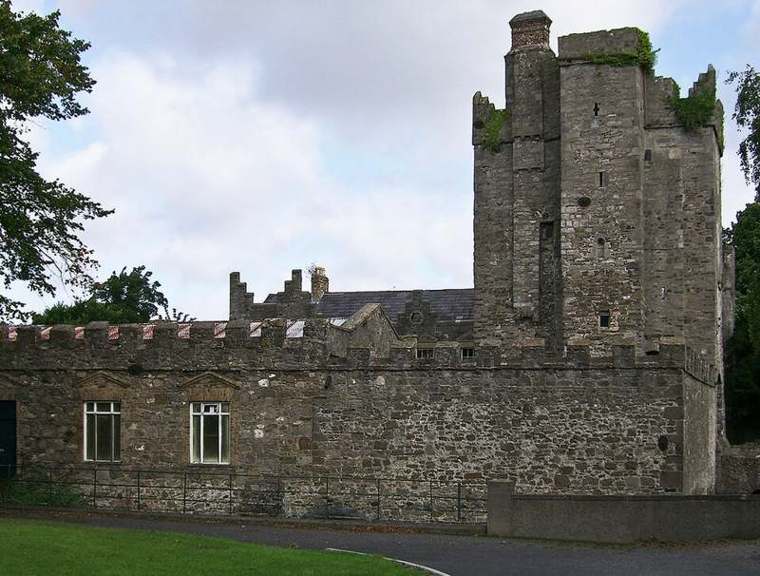
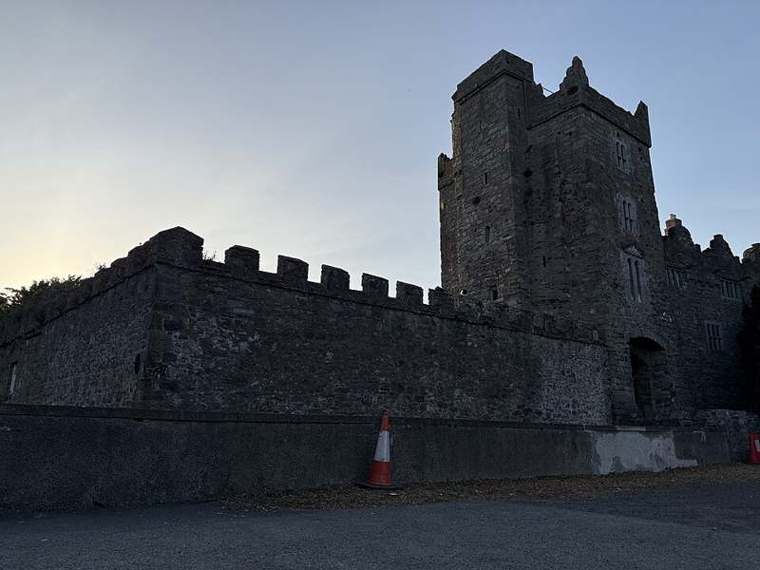
Study the relationship between water, walls and the approach from permitted visitor areas. The moat helps explain the building’s defensive setting; keep clear of edges and follow the public route.

heritage · Dublin
Drimnagh Castle brings a moated medieval building into an unexpected south Dublin setting. Restored rooms and a formal garden reward a visit that looks closely at materials and later work as well as age. Give the exterior a moment before entering so the tower and enclosure make sense together.
From research
Choose this for a compact castle visit with architecture and garden interest. A guided tour is useful for understanding how different spaces were used, while self-guided visits have their own published hours. Arrange your preferred option before building the rest of the day around it.
Know before you book: The castle is a restored heritage site, with stairs and upper rooms among the listed features. Do not assume the complete route suits every visitor. School groups and private events can restrict access, and the ordinary timetable is weekday-only.
Place highlights
Study the relationship between water, walls and the approach from permitted visitor areas. The moat helps explain the building’s defensive setting; keep clear of edges and follow the public route.
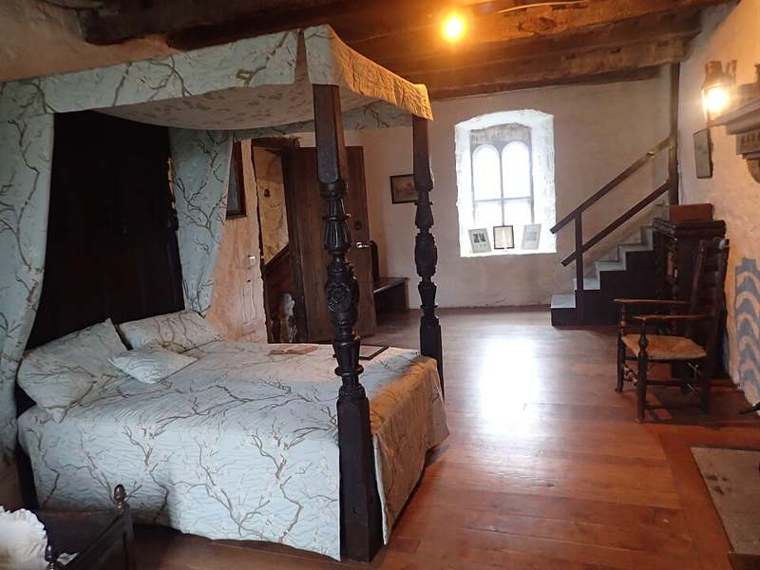
Look at the undercroft, great hall and other spaces available on your visit. Ask which features survived and which were renewed, rather than treating every visible detail as medieval.
Notice the symmetry of the low hedges and planted beds. The garden’s structure can be interesting outside flowering season, especially when compared with the heavier masonry of the castle.
The story behind the visit
The castle is associated with the de Berneval family and the medieval history of this part of Dublin. Its surviving moated setting makes the exterior a useful starting point. The visitor route then moves into a building shaped by several later periods rather than a single unchanged moment. Source ↗
After becoming uninhabited in the 1960s, the castle deteriorated. The operator describes a community restoration effort beginning in 1986 and involving craftspeople across many trades. The work was completed in 1991, when Mary Robinson opened the restored castle to the public. Source ↗
The garden was planted during restoration as a formal parterre, using box hedging, herbs and bay trees. Its organised beds refer to historical garden practices, but it is not an untouched medieval survival. The hornbeam alley adds a different, seasonally changing form to the visit. Source ↗
Visitor information
Use Drimnagh Castle on Long Mile Road, Dublin 12. Follow the castle’s visitor instructions rather than entering neighbouring premises. The official tourism map point locates the castle property; it is not a verified accessible doorway or an instruction to enter through any particular gate. Official visitor information ↗
Confirm current access and visitor arrangements with the operator.
The operator lists weekends as closed. Plan for the weekday timetable or a separately confirmed arrangement. Source ↗
The homepage asks visitors to arrange guided tours in advance. Self-guided access is a separate published option, subject to events and school visits. Source ↗
No. The castle underwent major restoration, and the garden was planted as part of that work. Read the surviving building alongside the story of its repair. Source ↗
Nearby options
Explore other places in the area, then use live directions to plan your journey.
heritage
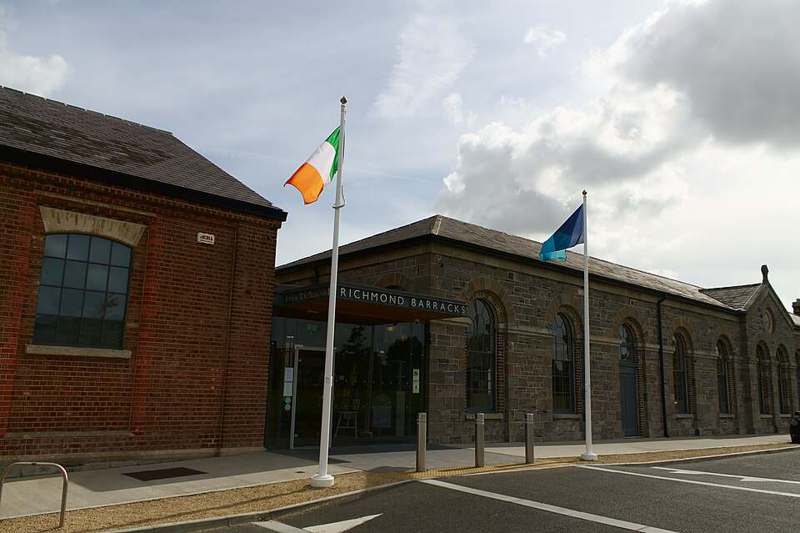
Richmond Barracks brings a difficult history into a living neighbourhood space. The surviving buildings now house cultural activity, a library and a garden. Visit with both uses in mind: look at the barracks’…
Open place page →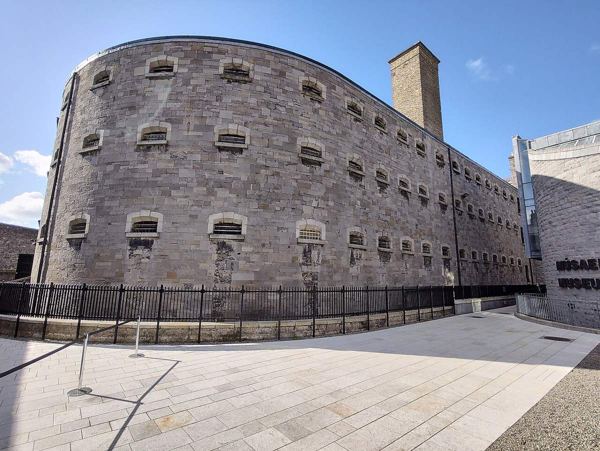
heritage
A guided visit to a former prison that connects ordinary imprisonment with pivotal episodes of Irish political history.
Open place page →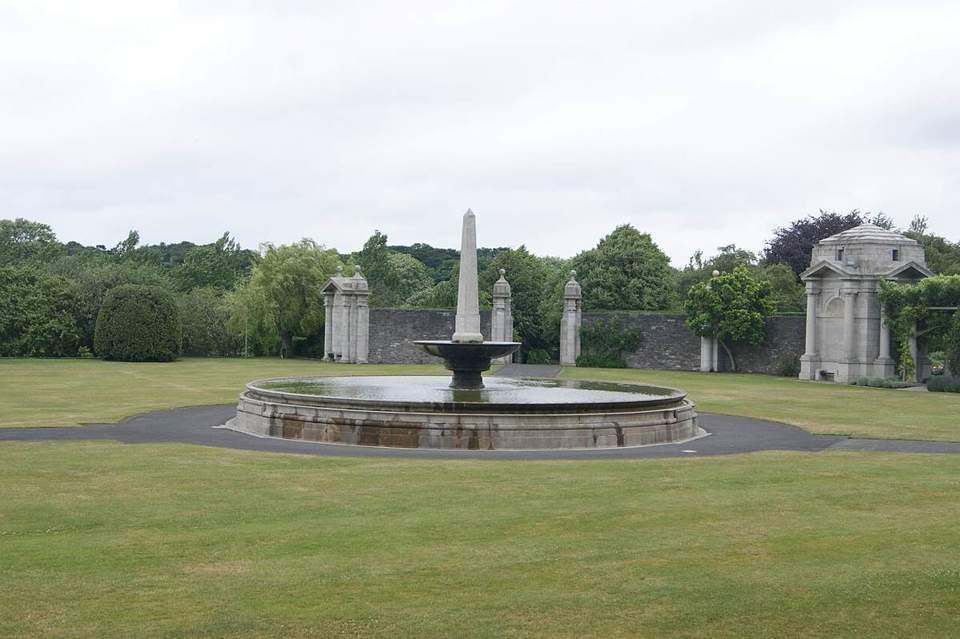
heritage
At Islandbridge, remembrance is spread across a designed landscape of lawns, stone, sheltered gardens and trees. Give the Irish National War Memorial Gardens time as a place to walk and reflect: the…
Open place page →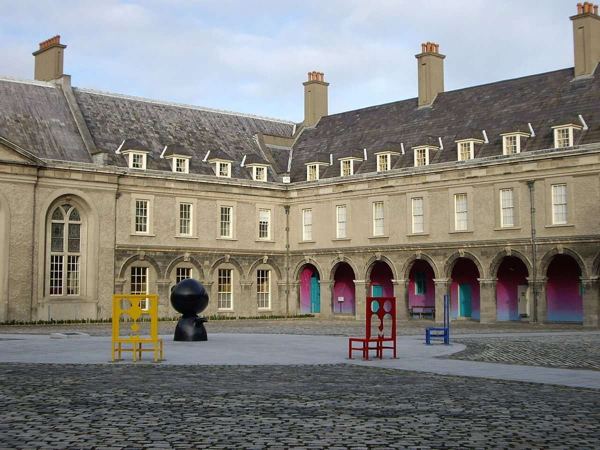
heritage
Contemporary art meets the courtyards and grounds of the Royal Hospital Kilmainham.
Open place page →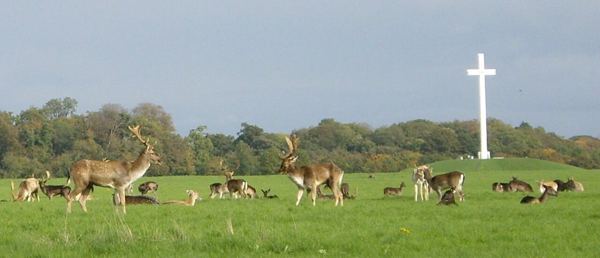
nature
Large parkland, gardens, built heritage and wild deer on Dublin’s western side.
Open place page →
heritage
Follow the Guinness visitor experience at St James’s Gate, finishing with city views from Gravity Bar.
Open place page →Location & access
The castle is a restored heritage site, with stairs and upper rooms among the listed features. Do not assume the complete route suits every visitor. School groups and private events can restrict access, and the ordinary timetable is weekday-only.
53.32490, -6.33287 · Reference point; confirm the correct entrance and access. Map © OpenStreetMap contributors.
Orientation only: a verified public entrance is not established by this pin. Use the operator arrival information before travel.

