From research
Is this worth your time?
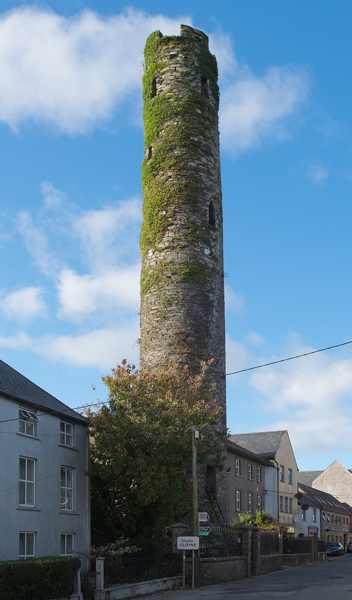
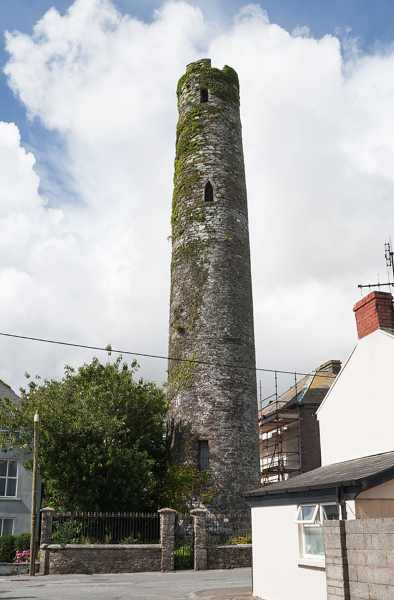
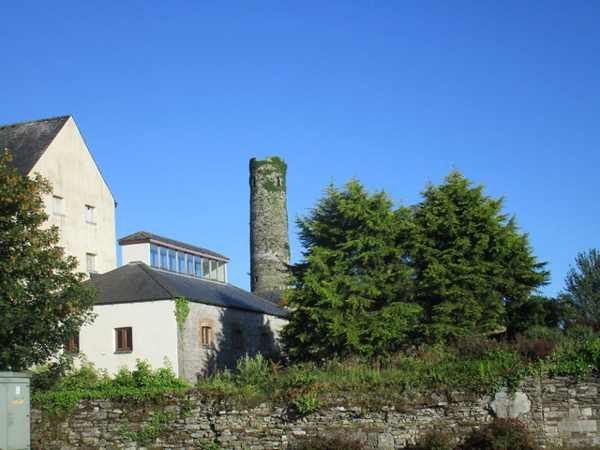
Choose Cloyne if round towers interest you but a compact town stop fits your day better than a larger monastic complex. Look at the proportions, raised doorway and relationship to neighbouring buildings. Keep the distinction between an early foundation and the age of the standing masonry clear, and do not assume an old tower is a viewing platform.
Know before you book: The public visitor offer is looking at the exterior. A nearby church, cemetery or other building has its own arrangements and is not automatically included in this stop.
The story behind the visit
The story behind the place
The religious foundation at Cloyne is traditionally associated with St Colman in the sixth century. That early origin should not be confused with a claim that the entire standing tower was built at the same time. Early church sites changed over generations, acquiring stone buildings and other structures as their communities developed. The tower is a particularly visible survivor of that longer process. Its form invites comparison with other Irish monastic sites, but the visit remains rooted in a present-day town rather than a complete reconstructed monastery. Source ↗
Lightning and renovation changed the tower’s upper part, leaving a different silhouette from its original conical roof. That episode shows why the present appearance of an ancient monument can include later interventions as well as early fabric. The national tourism listing identifies Cloyne as one of Cork’s small surviving group of round towers, but rarity is only one reason to pause here. Looking at the wall, doorway and summit together helps explain the structure as a building with a history of use, damage and care. Its closed interior need not prevent a worthwhile visit, provided exterior viewing is understood as the whole offer. Source ↗