From research
Is this worth your time?
Choose Brownlow if architecture and military history appeal together. The house has moved from a family residence to other public and community roles, while the museum interpretation connects it with wartime use. Ask what your arranged tour covers, particularly if one exhibition or room is the main reason for travelling.
Know before you book: The building also hosts other activities and private occasions. A café opening time or a photograph of the park is not a house-tour timetable.
The story behind the visit
The story behind the place
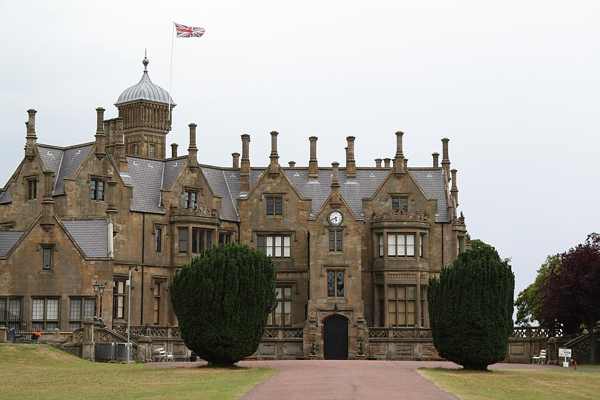
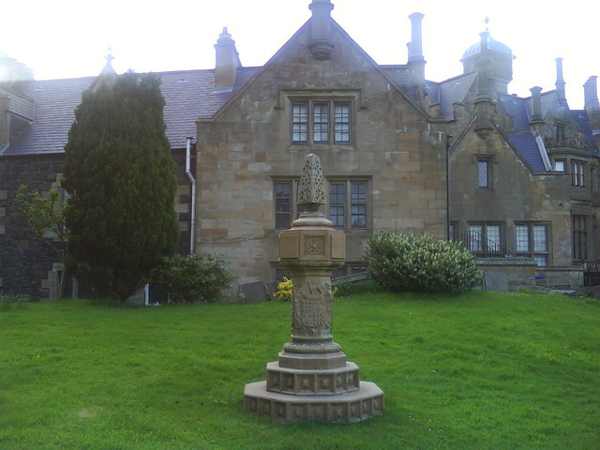
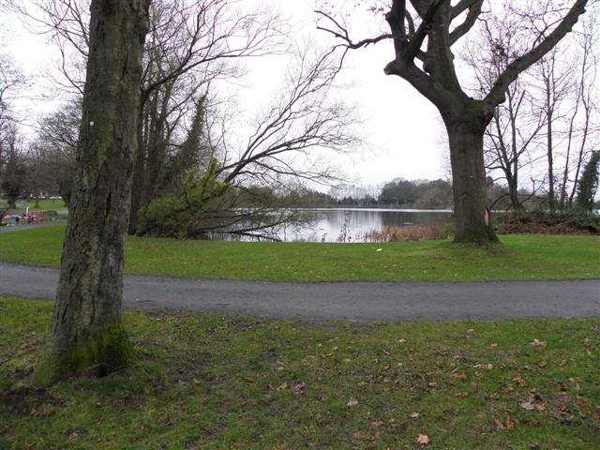
Brownlow House was built for Charles Brownlow in the nineteenth century to a design by William Playfair. The official Armagh visitor account describes its Elizabethan style and Scottish freestone, a different architectural direction from the classical buildings for which Playfair is also known. Its chimneys and lanterned tower express that design choice clearly. The former demesne then supplies a wider setting, although later recreational use means the landscape seen today has its own history of change rather than preserving every original feature. Source ↗
The house subsequently acquired military associations, serving as a base during the First World War and accommodating British and American troops during the Second. Museum interpretation gives those episodes a physical setting within a building that already had a substantial domestic history. Later ownership and continued use add further layers rather than replacing the earlier story completely. A useful visit keeps those functions distinct: family residence, wartime premises, museum and present venue. Prior arrangement matters because it establishes which of those layers you can explore inside, while the exterior and separate park offer a different experience around the building. Source ↗