From research
Is this worth your time?
Choose Junagarh for a substantial introduction to Bikaner’s palace architecture within a fortified complex. It suits an interest in both the outer defences and more intimate interior design. Decide separately whether to add another museum within the wider property rather than assuming every collection has the same ticket.
Know before you book: The two-hour allowance is an editorial starting point for the authorised fort route, excluding travel and queues. It does not guarantee access to every palace chamber, current exhibition or upper terrace. Confirm the current visitor route and any separately charged museum before buying admission.
The story behind the visit
The story behind the place
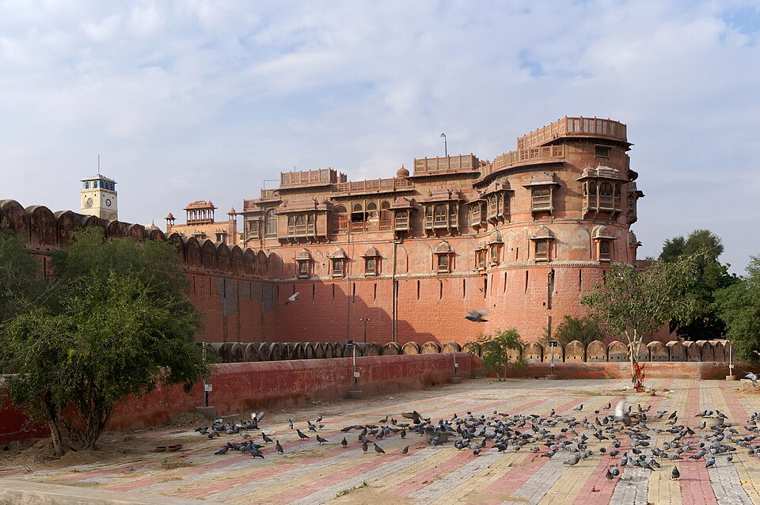
Rajasthan Tourism associates Junagarh’s late-sixteenth-century construction with Raja Rai Singh and describes a complex of sandstone and marble palaces. Successive spaces provide different ways to explore courtly architecture within the defences. Source ↗
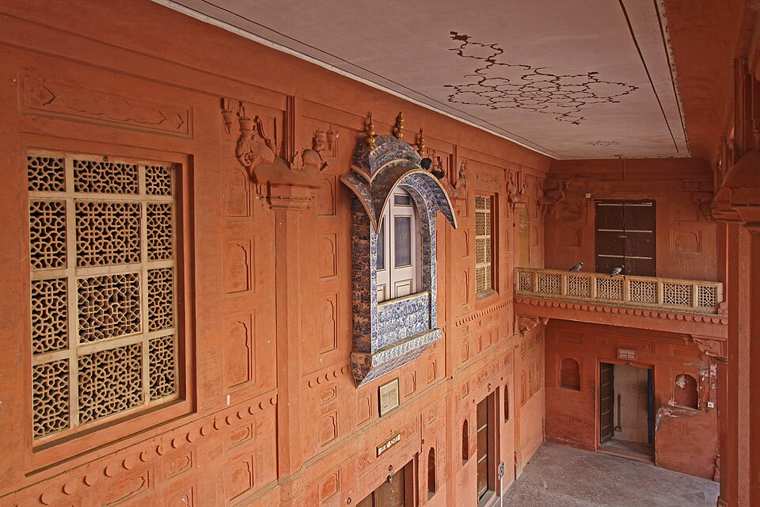
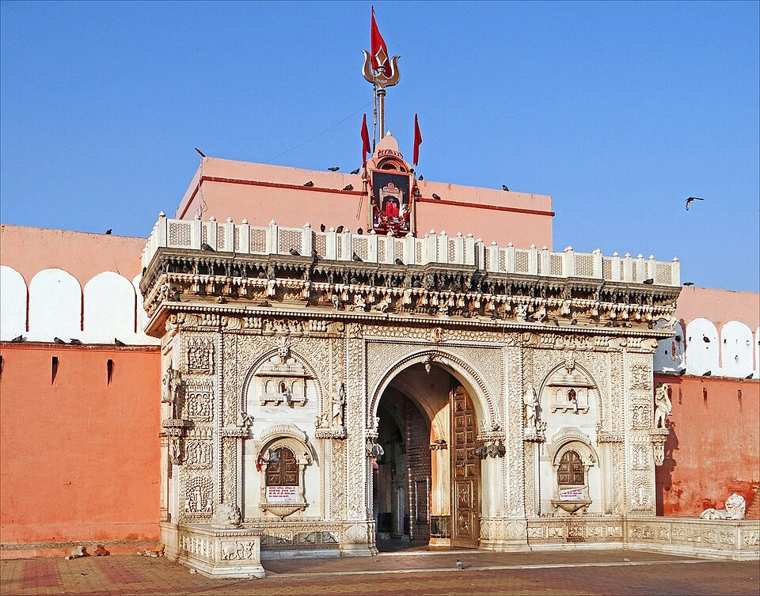
Incredible India highlights gates, balconies, kiosks and palace rooms including Karan Mahal and Phool Mahal. These named features help orient a visit but do not establish that every section will be accessible on a particular day. Source ↗
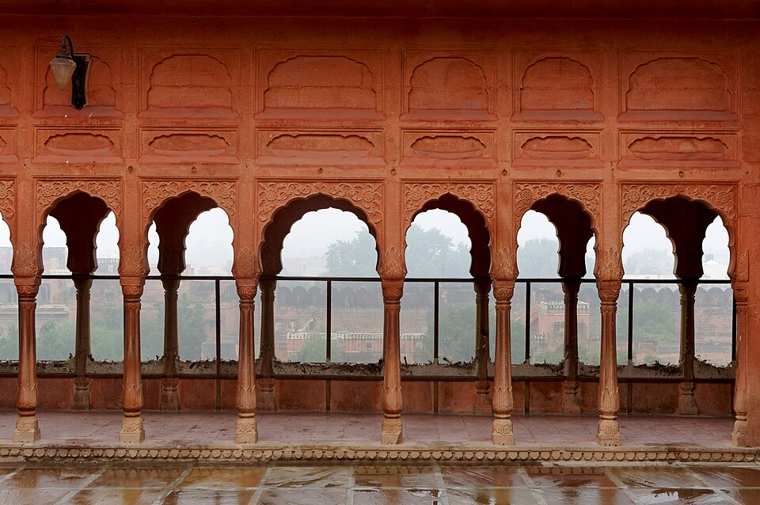
The national description brings together architectural influences and decorative craftsmanship. Looking at how different materials are used in a single space is more useful than treating a style label as a complete explanation. Source ↗